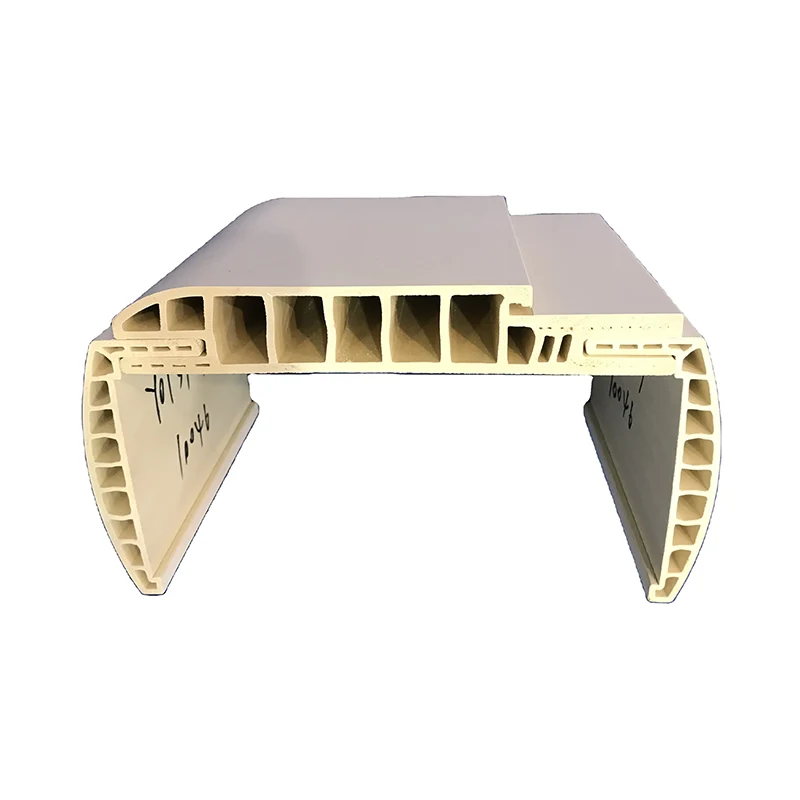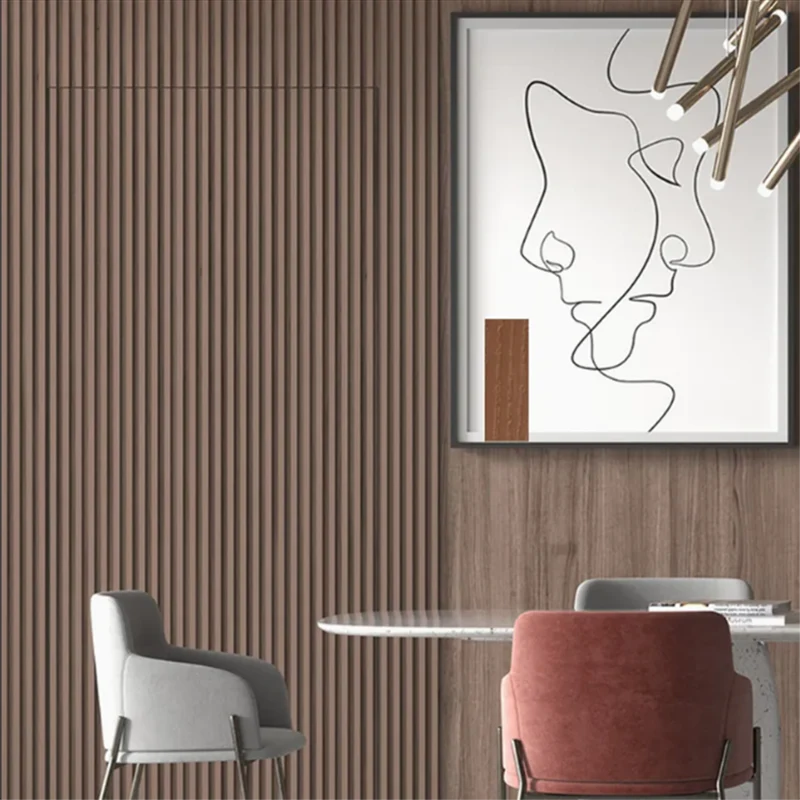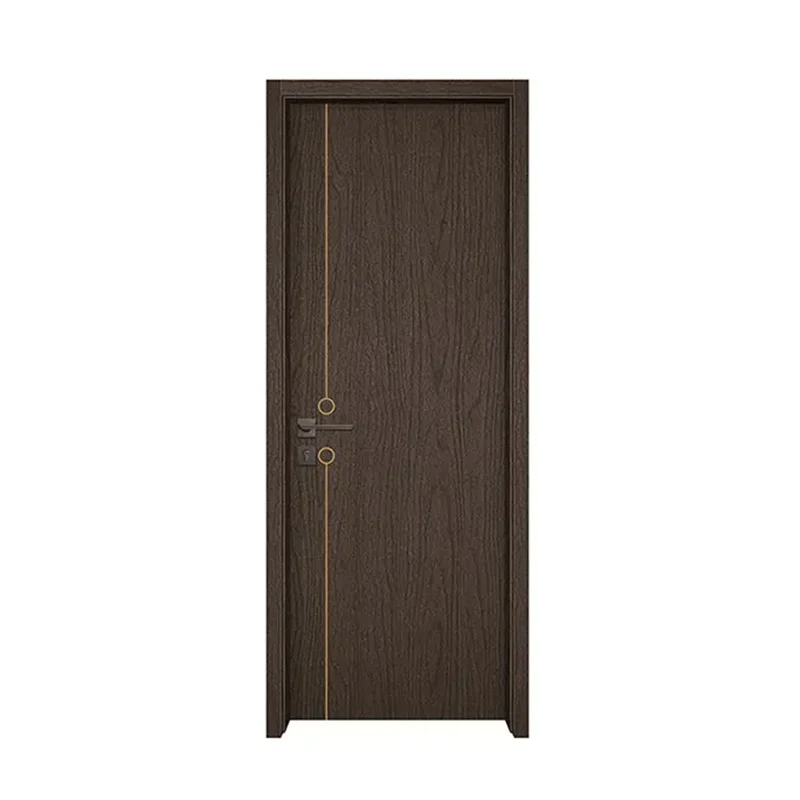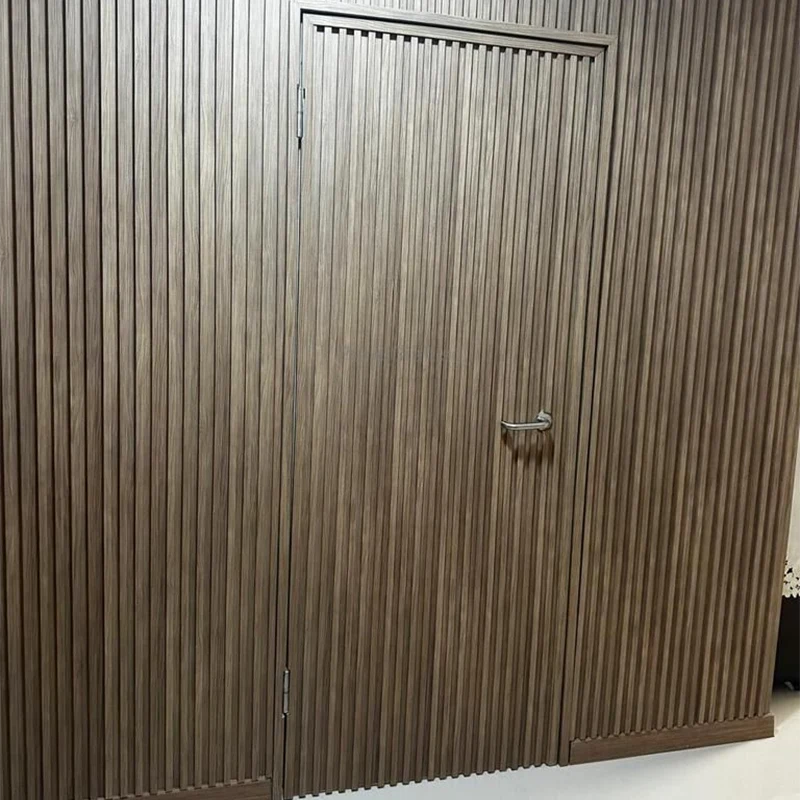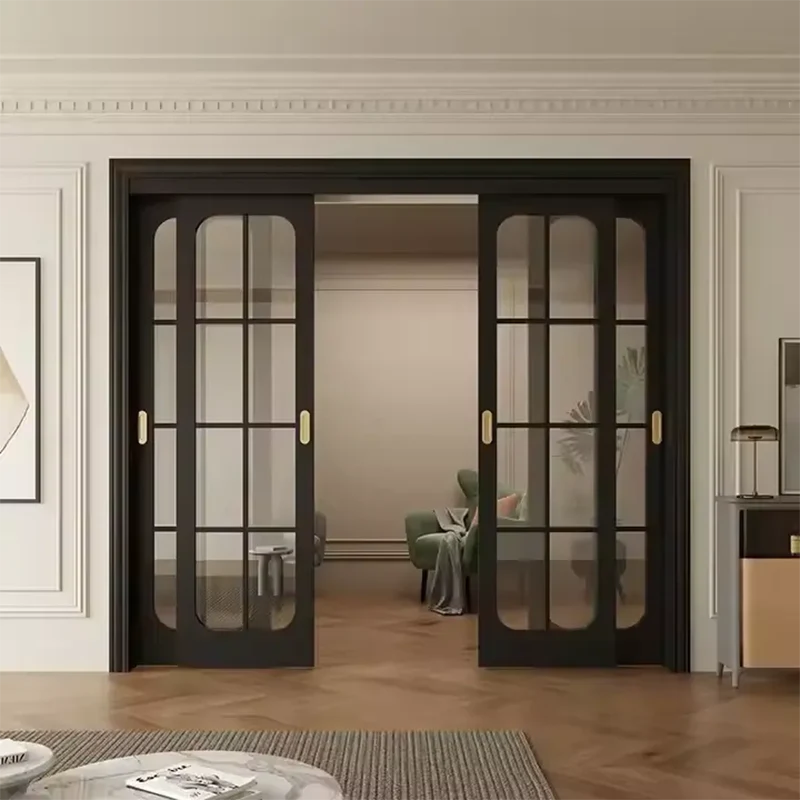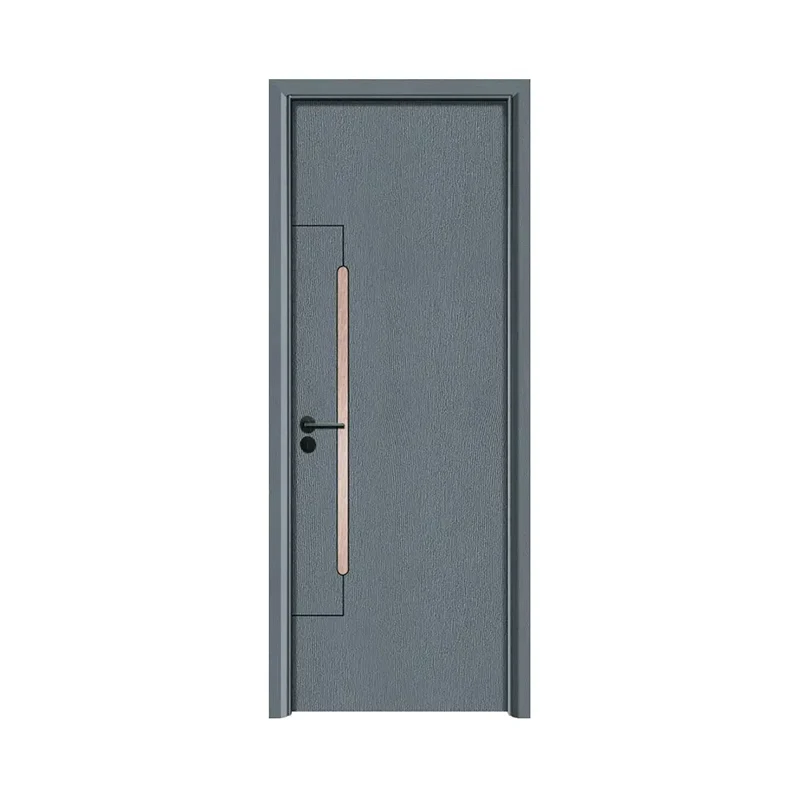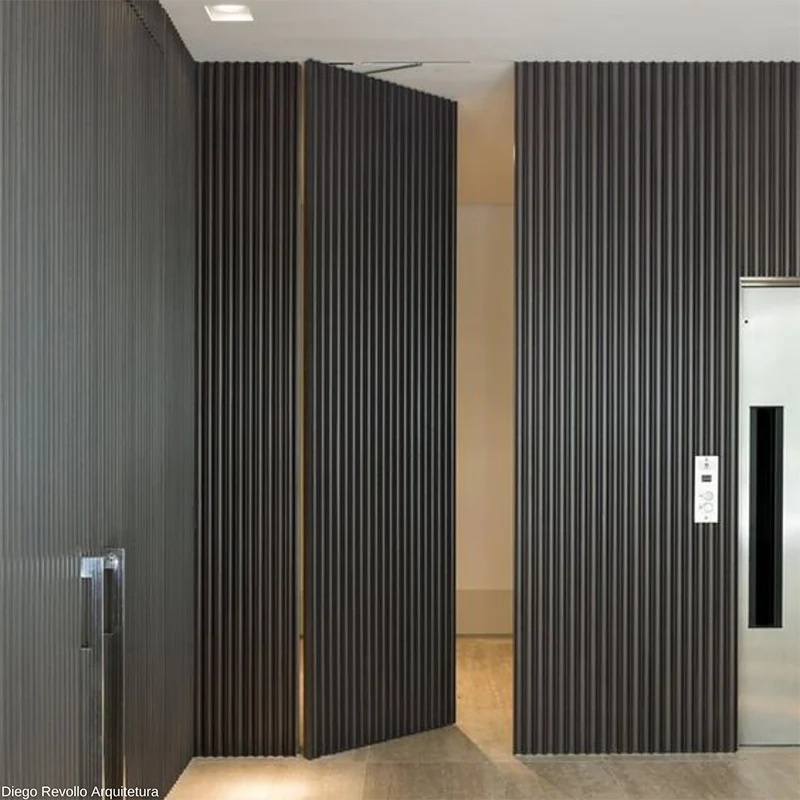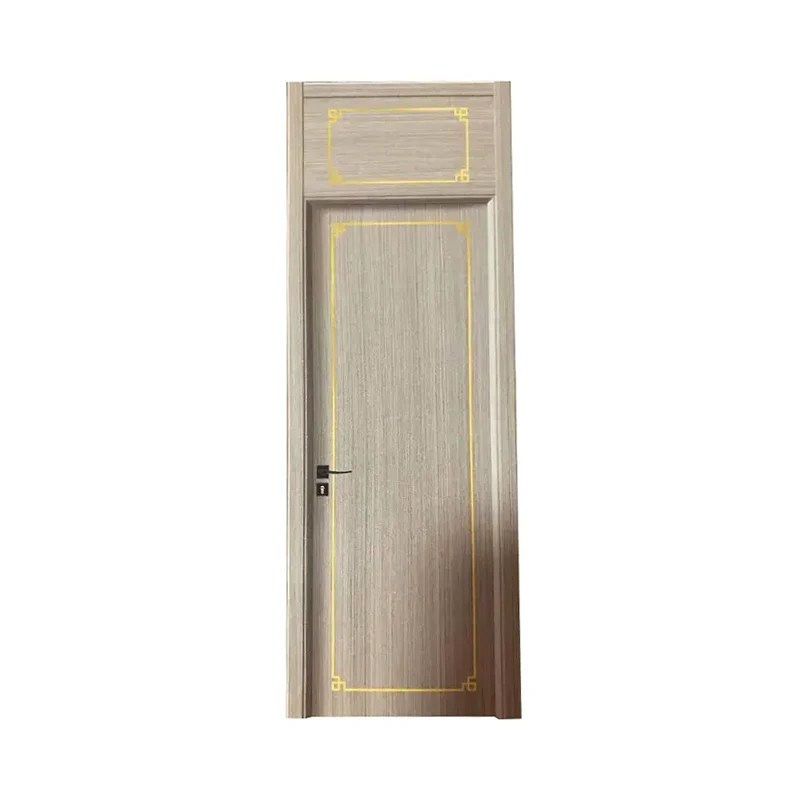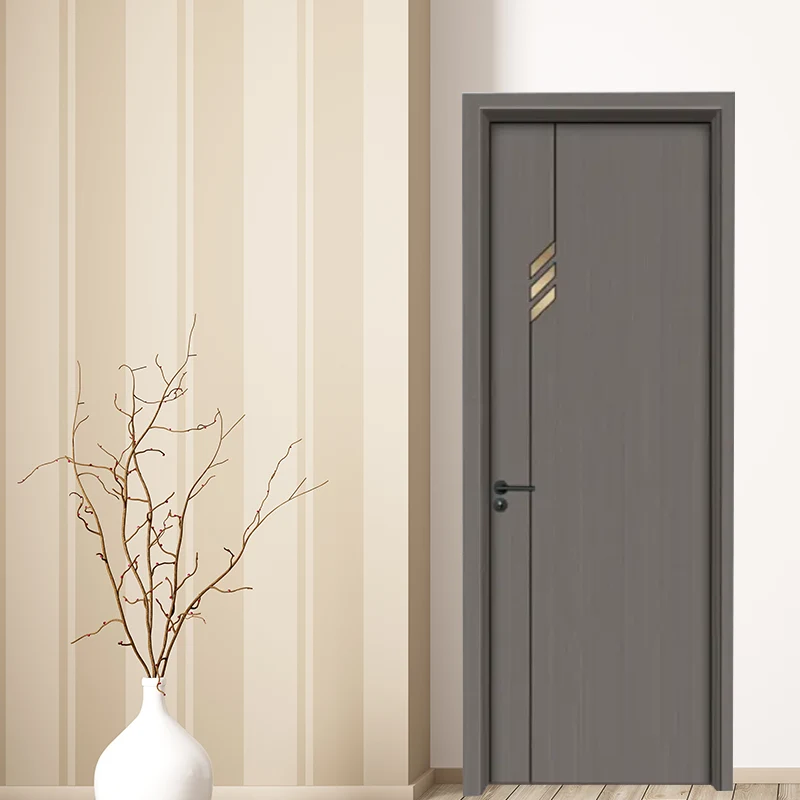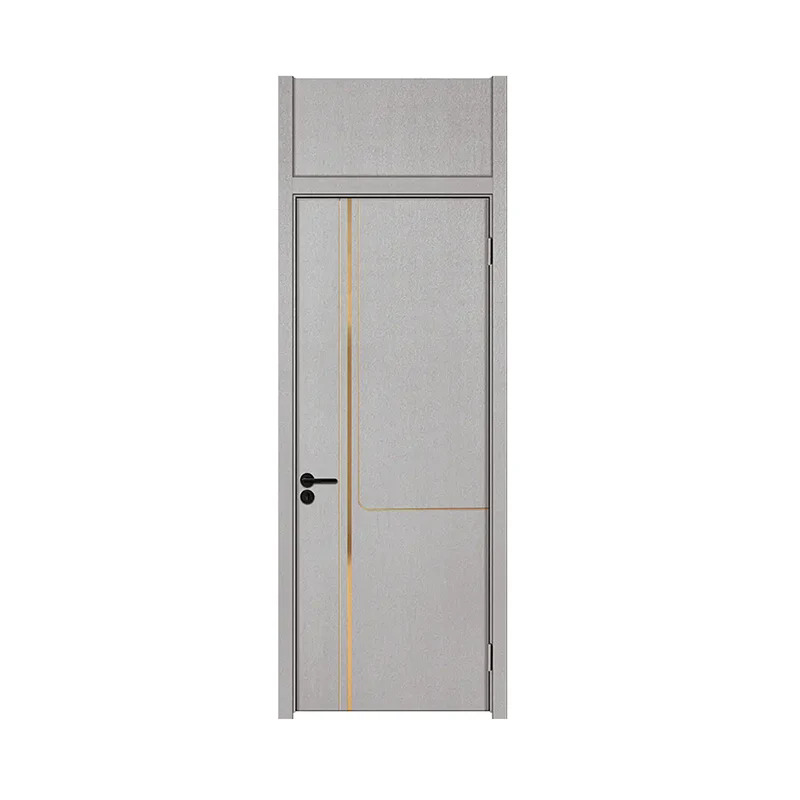
The WPC Door Bumper is a functional architectural accessory designed to mitigate impact between doors and adjacent surfaces, such as walls, cabinets, or fixed furniture. It is engineered to absorb kinetic force during door operation, thereby reducing surface wear, structural damage, and long-term maintenance requirements in both residential and commercial environments.
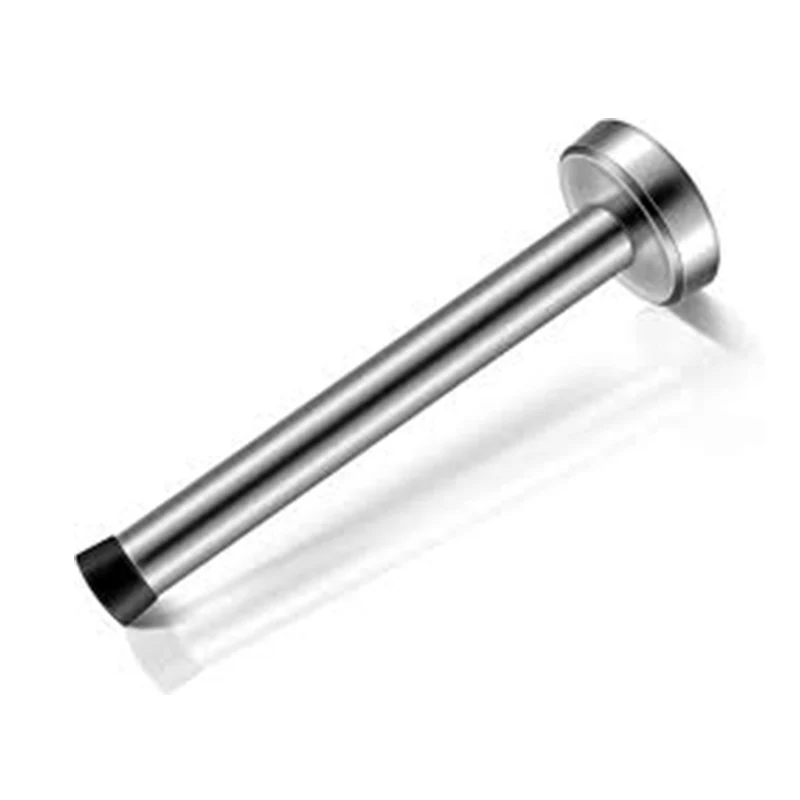
WPC, or Wood Plastic Composite, is a hybrid material composed of wood fiber and thermoplastic polymers. This combination delivers a balance of structural stability and environmental adaptability, making it suitable for interior and semi-exterior applications. In door bumper systems, WPC offers consistent dimensional performance, resistance to deformation, and compatibility with modern construction standards.
Door bumpers operate as passive mechanical buffers. Their role is not to restrict door movement but to manage the endpoint of motion in a controlled manner. In WPC Door Bumpers, this function is achieved through a combination of material elasticity, internal density, and surface geometry.
When a door reaches its maximum swing, the bumper absorbs and disperses impact energy across its body rather than transmitting it directly to the wall or door panel. The composite structure of WPC allows micro-flexing at the moment of contact, followed by immediate shape recovery. This behavior helps maintain consistent performance over repeated use cycles.
From an installation perspective, WPC Door Bumpers are commonly mounted using concealed fasteners or surface-mounted systems, depending on site conditions. They can be installed at floor level, wall level, or integrated into door frames. Their neutral material profile allows compatibility with wood, metal, and composite doors without causing galvanic reaction or surface abrasion.
Below is a consolidated overview of typical technical parameters used in industry-grade WPC Door Bumpers:
| Parameter | Typical Specification Range |
|---|---|
| Material Composition | Wood Fiber + Thermoplastic Polymer |
| Density | 1.1–1.3 g/cm³ |
| Impact Resistance | ≥ 20,000 Cycles (No Structural Failure) |
| Operating Temperature | -20°C to 60°C |
| Moisture Absorption | < 2% |
| Installation Method | Screw-mounted / Adhesive-assisted |
| Application Areas | Residential, Hospitality, Office, Retail |
These parameters are indicative of performance expectations rather than marketing descriptors. They are frequently referenced in project specifications, tender documents, and quality audits.
Material choice directly affects how a door bumper behaves over time. Traditional rubber or metal bumpers often present trade-offs between rigidity and noise control. WPC addresses this challenge by providing a composite matrix that balances firmness with controlled elasticity.
In high-traffic environments such as hotels, office corridors, and healthcare facilities, door accessories are exposed to repetitive mechanical stress. WPC Door Bumpers maintain dimensional consistency under such conditions, minimizing loosening, cracking, or surface fatigue. Their resistance to humidity and temperature fluctuation also supports use in regions with variable climates.
From a regulatory standpoint, WPC materials align with increasingly common building standards that emphasize durability, recyclability, and reduced maintenance cycles. As building owners prioritize lifecycle cost analysis, components that demonstrate stable performance over extended periods gain preference during specification phases.
Market data indicates a gradual shift toward composite-based architectural accessories, driven by renovation demand and standardized modular construction. WPC Door Bumpers fit into this trend due to their adaptability across design styles and their predictable mechanical behavior. Their role is no longer limited to damage prevention but extends to contributing to consistent operational performance in door systems.
Common Questions About WPC Door Bumpers
Q: How does a WPC Door Bumper differ from traditional rubber or metal alternatives?
A: A WPC Door Bumper utilizes a composite structure that distributes impact force more evenly than solid rubber or rigid metal. This reduces localized stress, supports shape recovery after contact, and limits long-term deformation under repeated use.
Q: How is installation accuracy maintained across different floor and wall substrates?
A: Installation systems for WPC Door Bumpers typically allow minor positional adjustment during mounting. This ensures consistent alignment with door swing paths across concrete, wood, tile, and composite substrates, reducing installation error and performance variance.
The construction and interior fit-out sectors are increasingly influenced by modular design, standardized components, and sustainability benchmarks. Within this context, door accessories are expected to deliver predictable performance while integrating seamlessly into diverse architectural layouts.
WPC Door Bumpers are positioned to meet these expectations due to their material efficiency and adaptability. As prefabricated wall systems and standardized door modules become more prevalent, components that can be easily specified, installed, and replaced without structural modification gain strategic importance.
Future demand is also shaped by maintenance considerations. Facilities management teams favor components that reduce service calls and replacement frequency. The stable wear characteristics of WPC support this operational objective, particularly in multi-unit residential and commercial properties.
From a supply chain perspective, manufacturers are investing in precision molding and material consistency to support bulk procurement and global distribution. This enables brands to deliver uniform specifications across regions while meeting local compliance requirements.
Within this evolving landscape, Yilian has established a focused approach to WPC Door Bumper development, emphasizing material control, dimensional accuracy, and application versatility. These principles support long-term cooperation with distributors, project contractors, and OEM partners seeking reliable architectural components.
For further technical details, customization options, or project-specific consultation regarding WPC Door Bumpers, interested parties are encouraged to contact us. Professional support is available to assist with specification alignment, sample evaluation, and supply coordination.