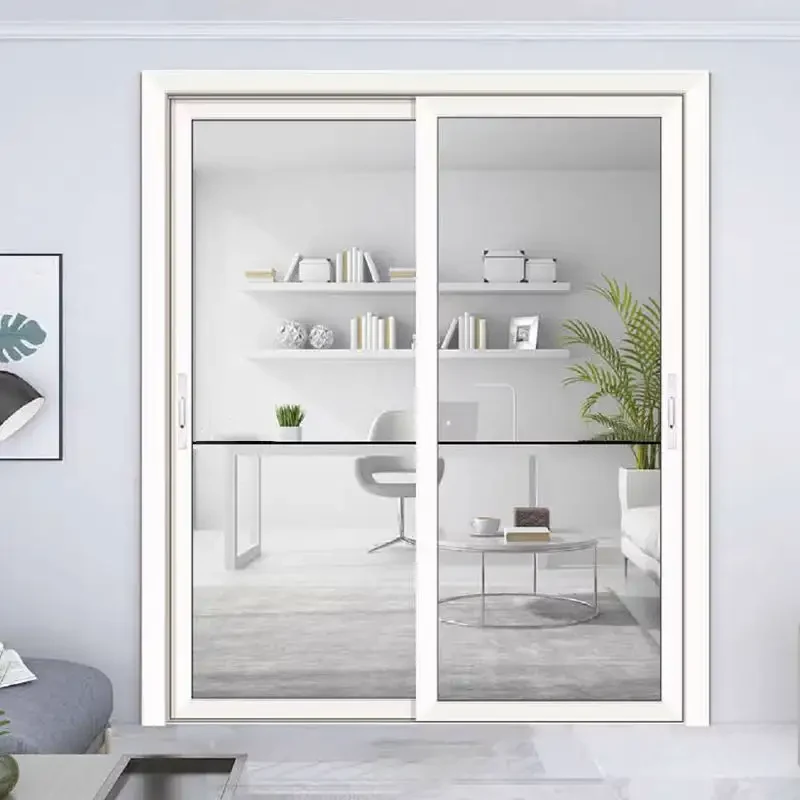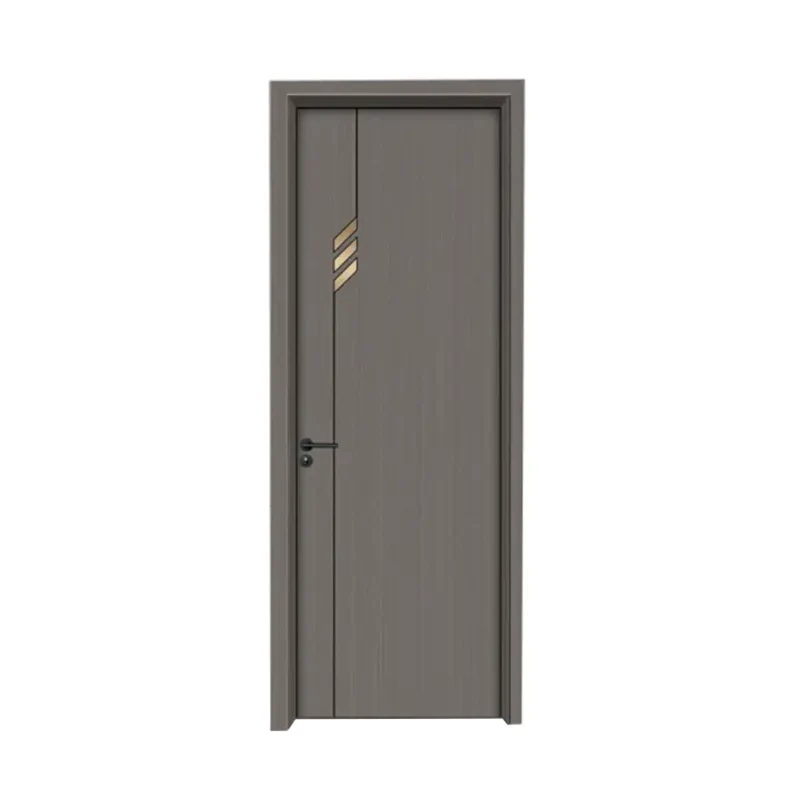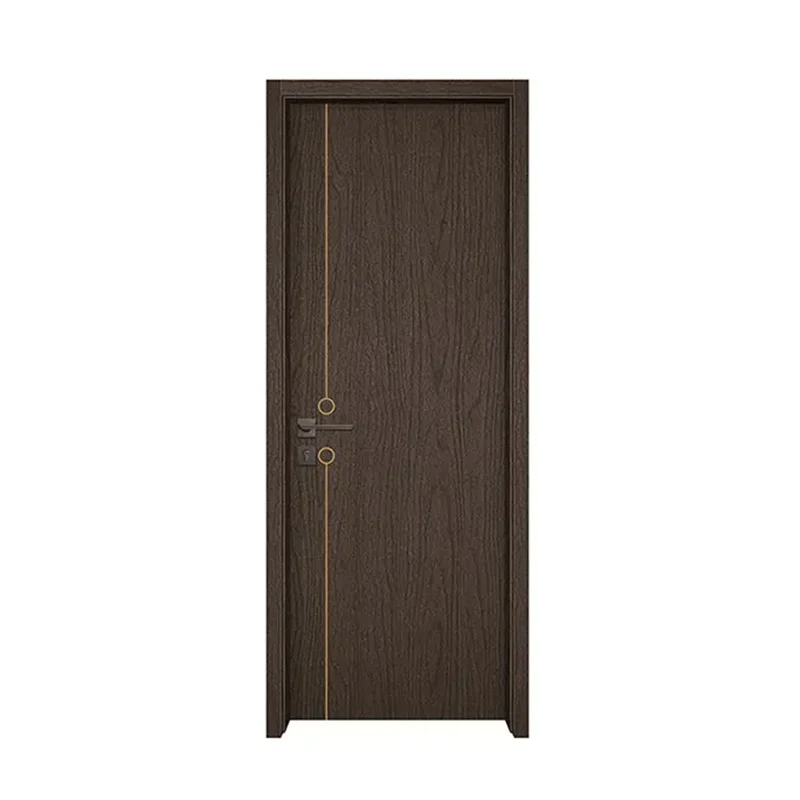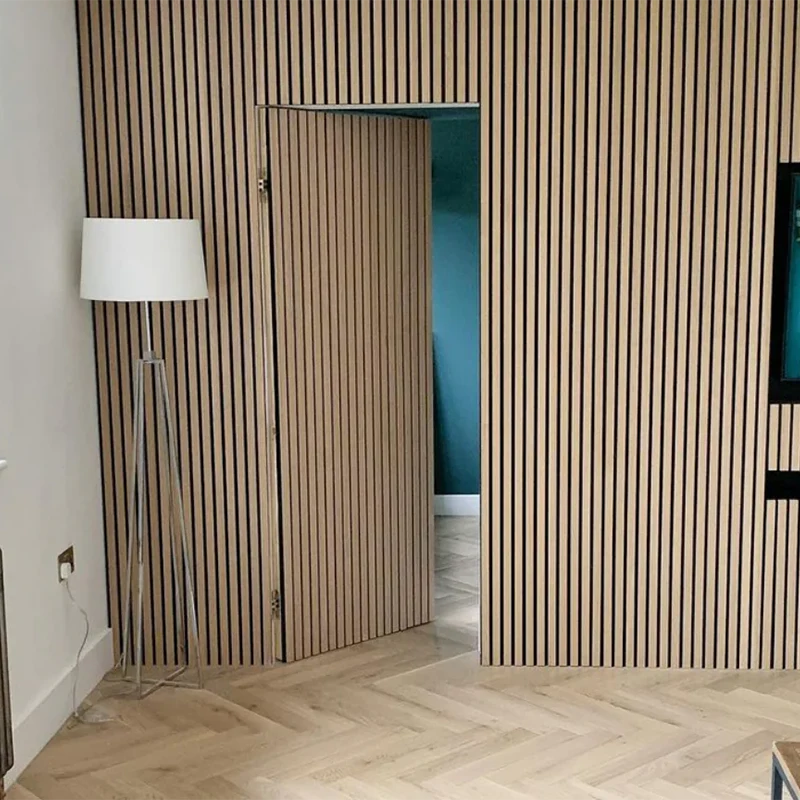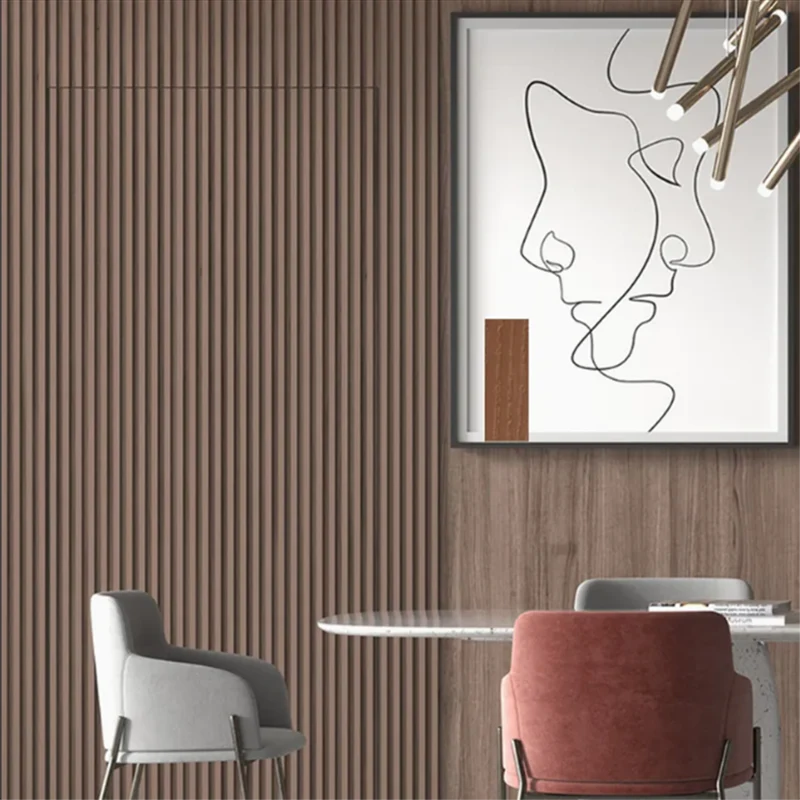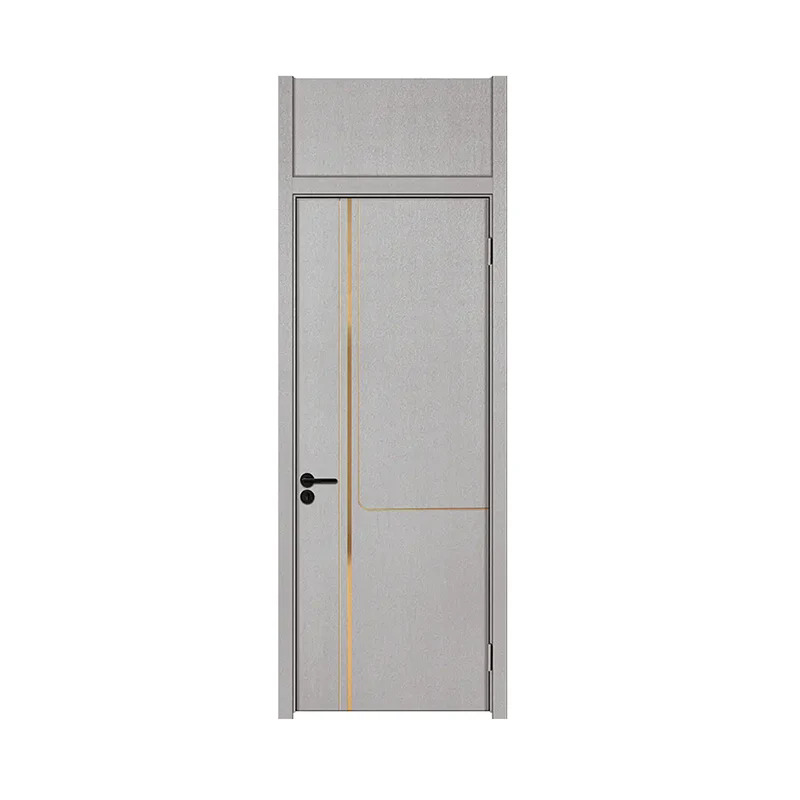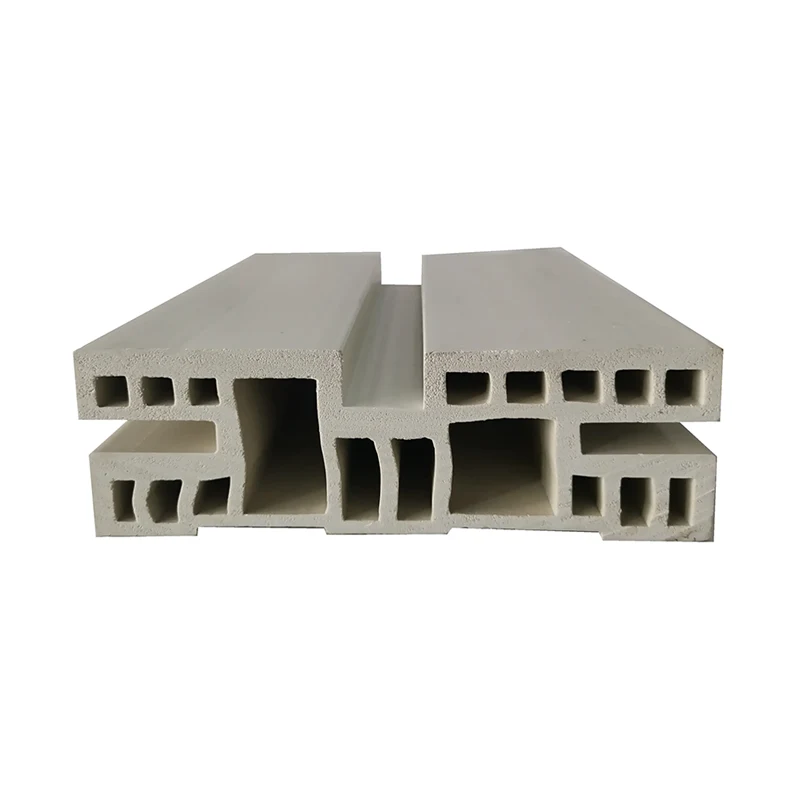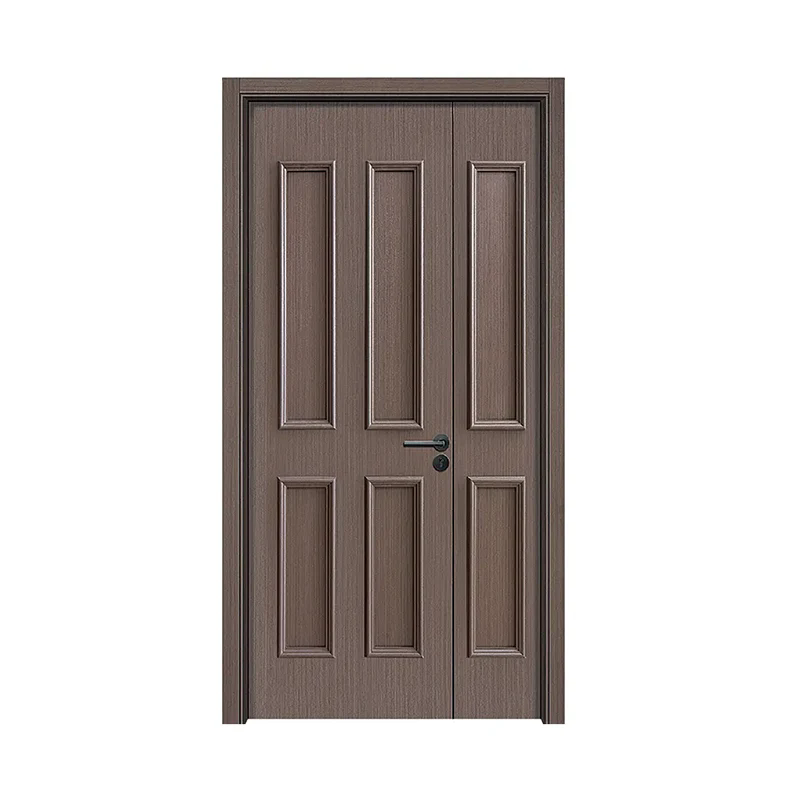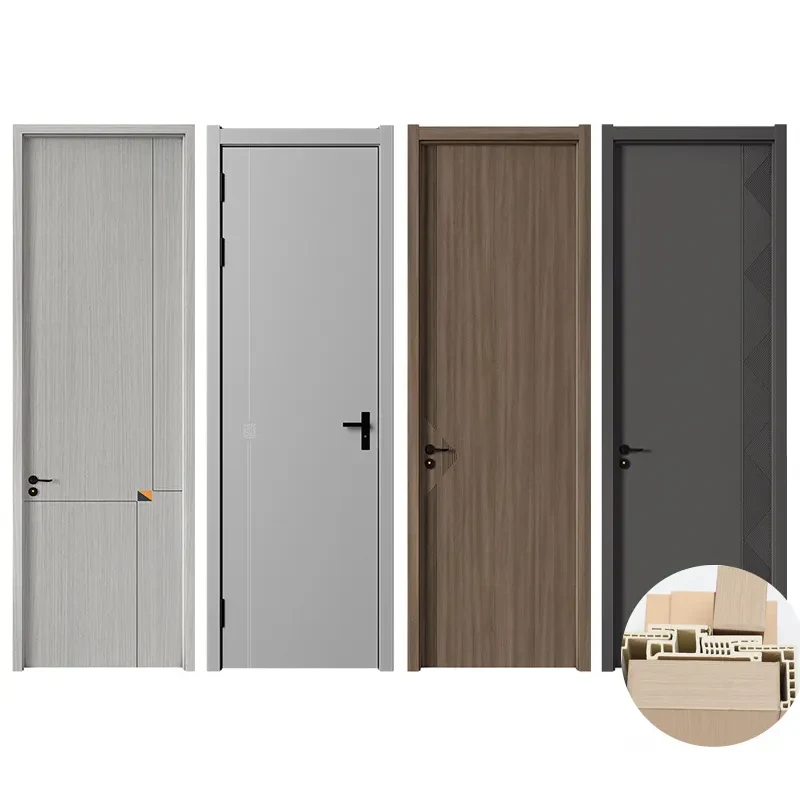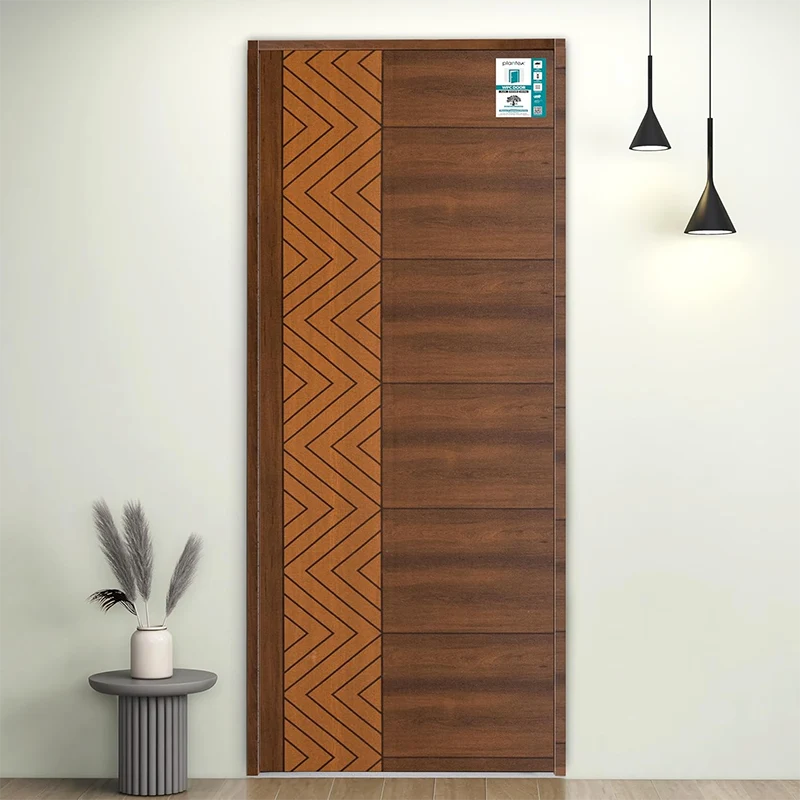
A WPC Hollow Hidden Door is engineered from wood-plastic composite material and designed to integrate seamlessly with surrounding walls, creating a concealed, minimalist appearance. By eliminating visible frames and traditional door outlines, this product enhances visual continuity in residential and commercial interiors. Its structure combines a hollow core for lightweight performance and a reinforced composite shell for long-term strength, moisture resistance, and sound buffering.
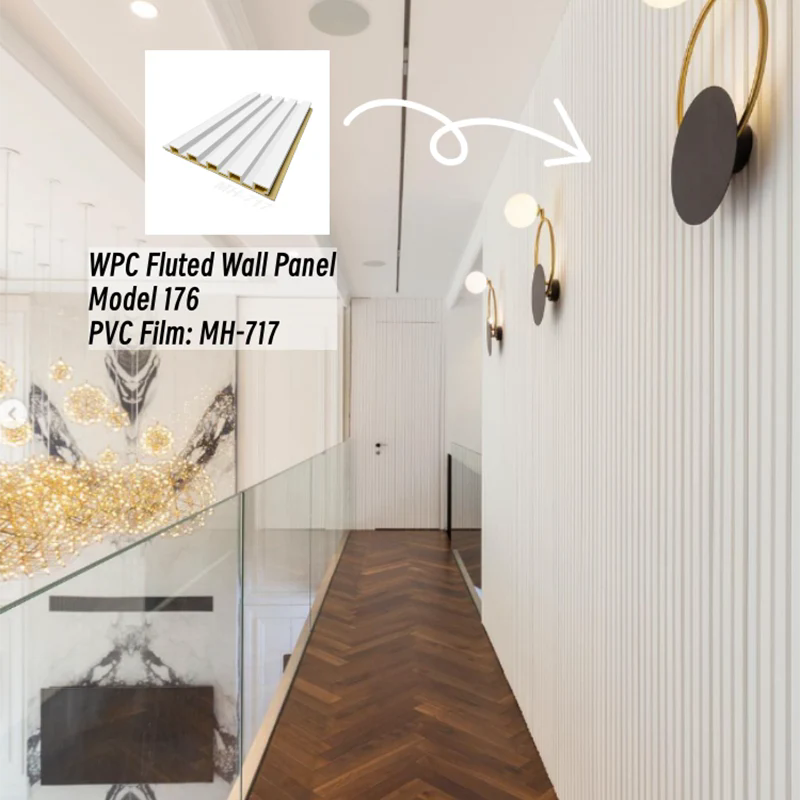
The WPC Hollow Hidden Door is engineered with a series of structural and material parameters that directly influence its longevity and function. Below is a consolidated specification outline:
| Parameter | Description |
|---|---|
| Material Composition | Wood-plastic composite (WPC) with polymer reinforcement |
| Core Structure | Hollow-core engineered to reduce weight while retaining strength |
| Surface Finish | PVC laminates, PU-coating, or embossed WPC decorative surfaces |
| Thickness Options | 35mm–45mm (customizable) |
| Frame System | Concealed aluminum frame compatible with flush-wall installation |
| Moisture Resistance | High, suitable for humid interior environments |
| Fire Performance | Fire retardant-grade composite |
| Sound Insulation | 22–28dB depending on core and panel combination |
| Color Choices | Wood grains, matte solids, seamless wall-matching tones |
| Installation Compatibility | Swing, push, or pull hidden door systems |
| Maintenance Level | Low maintenance, easy to clean, scratch resistant |
These technical indicators ensure the product delivers structural stability while maintaining a clean architectural profile.
A concealed door system creates uninterrupted wall surfaces that support open-concept design principles. For residences, it enables visual expansion of hallways, bedrooms, and living rooms. For commercial environments, it contributes to clean, minimalist corridors and private office spaces.
How does the hollow WPC structure enhance functionality?
The hollow core significantly reduces weight, which supports easier installation and smoother long-term usage.
The reduced mass lowers stress on hinges and embedded frames, extending the functional lifespan.
Compared to solid wood, hollow WPC improves acoustic moderation while minimizing warping and deformation.
Why does hidden installation contribute to better spatial rhythm?
By aligning the door surface with the wall, interior design elements maintain consistent sight lines. This ensures architectural harmony and avoids the visual fragmentation caused by traditional door frames and trims.
WPC composite material is formulated to withstand moisture, insects, and daily wear more effectively than natural timber. Its polymer-bonding system creates a structure less likely to swell, crack, or delaminate.
Key durability benefits include:
Stable dimensional performance: The composite structure is resistant to temperature and humidity shifts.
Impact resistance: The outer composite skin protects against dents and surface scratches.
Fire retardancy: Built-in additives boost safety performance in residential and commercial spaces.
Eco-friendly properties: WPC uses recycled components, promoting sustainable construction practices.
How does the concealed aluminum frame system reinforce long-term use?
Aluminum provides a rigid guiding structure that prevents sagging or misalignment. The frame is engineered to remain embedded in the wall surface, supporting the hidden aesthetic while ensuring operational stability.
Hidden doors reflect a growing global preference for ultra-clean interiors, integrated architecture, and multifunctional spaces. Designers increasingly implement flush-wall solutions in luxury residences, boutique hotels, coworking spaces, healthcare facilities, and retail environments.
Future trends shaping the evolution of hidden WPC doors include:
Color-integrated wall systems: Custom finishes that match paints, textured panels, and wallpapers.
Smart lock integration: Invisible biometric and magnetic locking systems to preserve the seamless look.
Expanded size customization: Oversized concealed doors to complement high-ceiling or open-plan designs.
Eco-innovation: Enhanced recyclable materials and lower-emission WPC formulations.
Acoustic optimization: Thicker hollow-core variations to meet advanced sound-insulation needs.
As modern spaces move toward multifunctional and visually unified environments, hidden doors are becoming an essential architectural element rather than a niche design feature.
Choosing the correct product involves evaluating installation environment, aesthetic goals, and performance expectations.
Key selection factors include:
Wall type and thickness to ensure compatibility with concealed frame installation.
Door usage frequency for determining hinge type and structural reinforcement.
Surface finish requirements depending on whether the wall is painted, laminated, or textured.
Acoustic and privacy needs for bedrooms, offices, or meeting rooms.
Humidity exposure in spaces such as bathrooms or basements.
Assessing these variables ensures the final installation achieves both functional and aesthetic goals.
Q1: How does a WPC Hollow Hidden Door perform in humid environments?
A: The composite structure resists moisture absorption, preventing swelling, warping, and mold formation. This makes it suitable for humid climates and rooms such as bathrooms, kitchens, and laundry spaces. Its reinforced core also maintains stability even with frequent temperature or humidity fluctuations.
Q2: How does maintenance compare to traditional wooden hidden doors?
A: WPC surfaces require minimal upkeep. They can be cleaned with basic household cleaners and do not require sanding, repainting, or termite treatments. The hollow composite panel reduces the risk of cracking, while the scratch-resistant outer layer maintains long-term appearance with far less maintenance than solid wood.
A WPC Hollow Hidden Door delivers structural strength, environmental resistance, and modern aesthetics while minimizing maintenance demands. Its concealed installation supports contemporary architectural styles and enhances spatial continuity. As the global market continues to shift toward sustainable materials and integrated design, WPC hidden doors are anticipated to play a significant role in residential and commercial upgrades.
Brands such as Yilian offer advanced manufacturing techniques, customizable finishes, and professional engineering support to ensure high-performance hidden door solutions. For inquiries, specifications, or project consultations, interested buyers are encouraged to contact us for detailed assistance and tailored recommendations.