Abstract
A lot of people love the idea of changing a door color in a weekend—until the finish starts to peel near the handle, turns patchy, or feels “sticky” when the door closes. Those failures happen more often when the substrate is WPC (wood plastic composite) because it doesn’t behave like porous wood.
This article breaks down the most common pain points behind Painting WPC Door projects and gives you a clear, repeatable process: what to clean with, how to scuff without damaging the surface, which primer types usually bond better, how to choose a topcoat, and how to troubleshoot issues fast. Whether you’re repainting one interior door or specifying a consistent finish for a whole building, you’ll leave with a plan you can actually follow.
If you’ve ever watched a freshly painted door start peeling like sunburn, you already know the emotional arc: excitement → disbelief → denial → anger → sanding dust everywhere.
The usual pain points are predictable
Here’s the blunt truth: most failures aren’t because someone is “bad at painting.” They happen because the surface wasn’t compatible with the coating system, or the preparation didn’t remove what blocks bonding. Painting WPC Door is less about artistry and more about chemistry + process control.
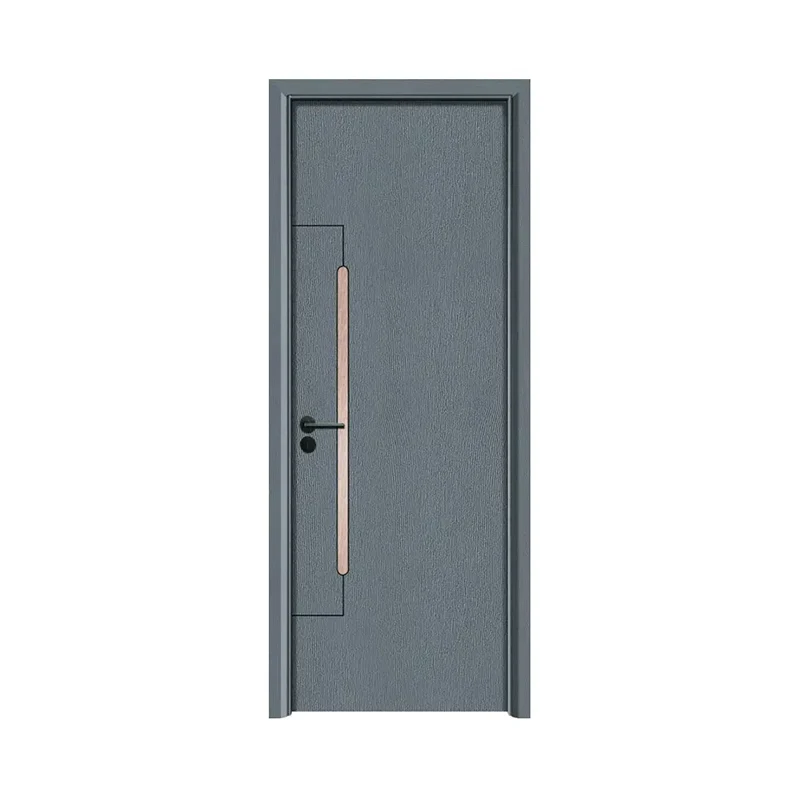
WPC is a composite—wood fiber + thermoplastic—so it’s generally more moisture-resistant and dimensionally stable than untreated timber, but it also tends to be less porous. Less porosity means paint can’t “soak in” and lock itself the way it does on raw wood.
What this means for you
If you’re sourcing finished doors for a project, you’ll also care about repeatability. A controlled finishing environment reduces dust nibs, stabilizes temperature/humidity, and makes color and gloss more consistent across many units.
Before you commit to Painting WPC Door on-site, run through this quick gate. It’ll save you from repainting the same slab twice.
Decision checklist
Tip: If you can, do a small adhesion test on an inconspicuous edge first. It’s the cheapest “insurance policy” you’ll ever buy.
Prep is where most jobs are won or lost. A perfect paint can still fail on a surface that’s contaminated or too glossy. Your goal is simple: remove blockers, create micro-scratch, and lay down a bonding layer that actually grabs.
Prep workflow you can follow
If you’re painting multiple doors, standardize the prep: same cleaner, same abrasive grade, same number of passes, same primer film build. Consistency is what makes Painting WPC Door look “professional” instead of “patched.”
There isn’t one magic paint that works for every WPC door in every building. The right system depends on how the door will be used: light-touch bedroom door vs. wet-zone bathroom door vs. commercial corridor door that gets cleaned daily.
| Coating option | Where it shines | What to watch out for | Best fit scenario |
|---|---|---|---|
| Water-based acrylic enamel + bonding primer | Lower odor, easier cleanup, decent durability when cured properly | Can stay soft if applied too thick or cured in cold/humid conditions | Residential interiors, standard offices, moderate traffic |
| Two-component polyurethane (2K) topcoat + compatible primer | High toughness, better chemical resistance, good for high-touch areas | More demanding mixing and pot life; stronger odor; needs process discipline | Hotels, rentals, corridors, frequent cleaning environments |
| UV-cured factory coating systems | Very consistent finish, fast curing, strong scratch resistance | Usually factory-applied; on-site touch-ups require compatible repair approach | Large projects needing batch consistency |
| Textured or matte systems | Hides minor surface defects and fingerprints | Some matte finishes can burnish (polish) in high-touch zones | Family homes, public spaces where smudges are a problem |
A simple rule that prevents regret
If the door will be touched and cleaned a lot, prioritize a tougher system. If the door is in a quiet interior space, prioritize the finish appearance and low odor. Either way, the primer is non-negotiable for reliable bonding.
One of the biggest sourcing questions is whether you should paint on-site or buy doors with a finished surface. This isn’t just about convenience; it affects downtime, rework risk, and whether every door matches.
| Factor | Factory finishing | On-site Painting WPC Door |
|---|---|---|
| Color and gloss consistency | Typically more repeatable across batches | Depends on crew skill, environment, and daily variation |
| Dust control | Controlled environments reduce dust nibs | Jobsite dust is hard to eliminate completely |
| Project speed | Arrives ready to install, less site labor | Requires prep, drying space, recoat windows |
| Touch-up reality | May need specific touch-up kits for perfect match | Easier to repaint the whole surface if needed |
If you’re ordering finished doors, it helps to work with a manufacturer that understands color control and surface preparation. For example, Wenzhou Yilian Decoration Material Co., Ltd. supports customized painted WPC door finishes and can align your expectations on color, sheen, and use environment so your project doesn’t get stuck in a repaint loop.
Below is a clean, repeatable workflow for Painting WPC Door. It’s written to reduce “interpretation,” because interpretation is where quality drifts.
Standard process
If you can only remember one thing: thin, even coats + proper cure time beat thick coats every single time.
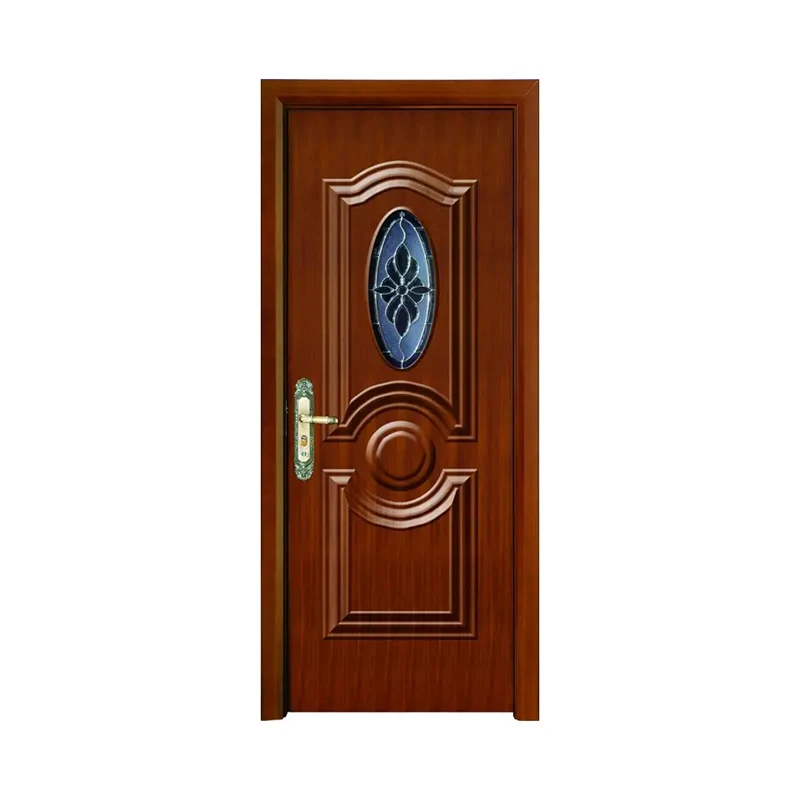
When something looks wrong, don’t panic. Most issues are fixable if you diagnose the cause instead of layering more paint on top.
| Symptom | Likely cause | Fast fix |
|---|---|---|
| Peeling at edges | Poor scuffing, oil contamination, weak primer bond | Feather-sand, deep clean, re-prime edges, then recoat |
| Fish-eyes or craters | Silicone or wax residue | Stop, sand back, degrease properly, consider a compatible sealer/primer |
| Tacky finish after “drying” | Too thick coats, low temperature, incompatible layers | Increase cure conditions, allow more time, sand and recoat with proper system if needed |
| Orange peel texture | Viscosity too high, spray setup/technique, flash time | Adjust application method, apply thinner coats, de-nib between layers |
| Chips around latch area | Impact zone + sharp edges + early handling | Let cure fully, consider tougher topcoat, ease sharp edges lightly during prep |
If your job is a whole-building order, repeated rework becomes expensive fast. That’s why many buyers standardize the system and request finish samples before mass production or site painting begins.
If you’re not just repainting one door—but specifying many—these questions prevent misunderstandings. They also help your supplier recommend the right finish level for your environment.
A supplier who answers clearly (and documents the process) saves you money. You don’t want “pretty in the showroom” if it becomes “peeling in the corridor” three months later.
In most cases, yes—at least a consistent scuff sand. The goal isn’t to remove material; it’s to reduce gloss and create a uniform texture so primer can grip reliably. Skipping this step is a common reason paint peels later.
Wall paint is typically not designed for frequent touching, cleaning, or edge impacts. A door finish needs better hardness and abrasion resistance. If you want durability, choose a system intended for trim/doors and pair it with a bonding primer.
“Dry to touch” isn’t the same as “cured.” Thick coats, cool temperatures, high humidity, or incompatible layers can slow curing. Give it more time, improve airflow, and avoid closing the door onto weatherstrips until the finish hardens.
Spraying often gives a more uniform finish on large flat areas and reduces brush marks, especially for higher-gloss looks. Brushing can still work if the product levels well and you apply thin coats, but spraying usually improves consistency.
Standardize everything: approved sample, same primer/topcoat system, controlled application method, and consistent cure conditions. For large projects, many buyers choose factory finishing to reduce variability and speed up installation.
The biggest misconception about Painting WPC Door is treating it like painting raw wood. WPC can deliver a clean, modern look—if you respect the surface, choose a compatible primer/topcoat system, and allow proper curing. Do that, and you’ll get a finish that looks smooth, feels solid, and holds up in real life.
If you’re planning a renovation, supplying a project, or need a custom color strategy for painted WPC doors, contact us to discuss finish options, performance expectations, and how to keep your doors consistent from sample to shipment.