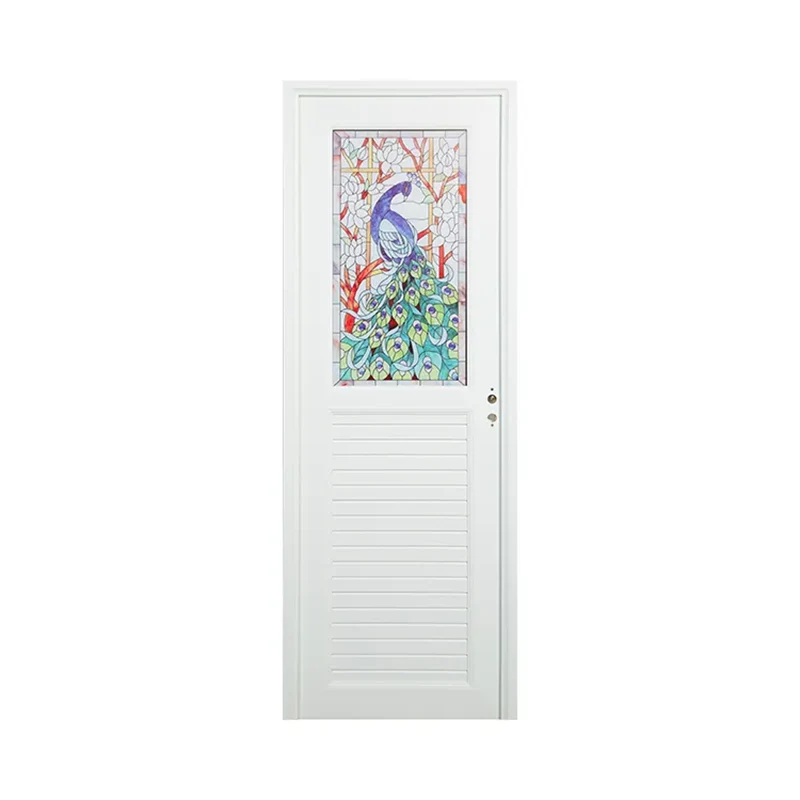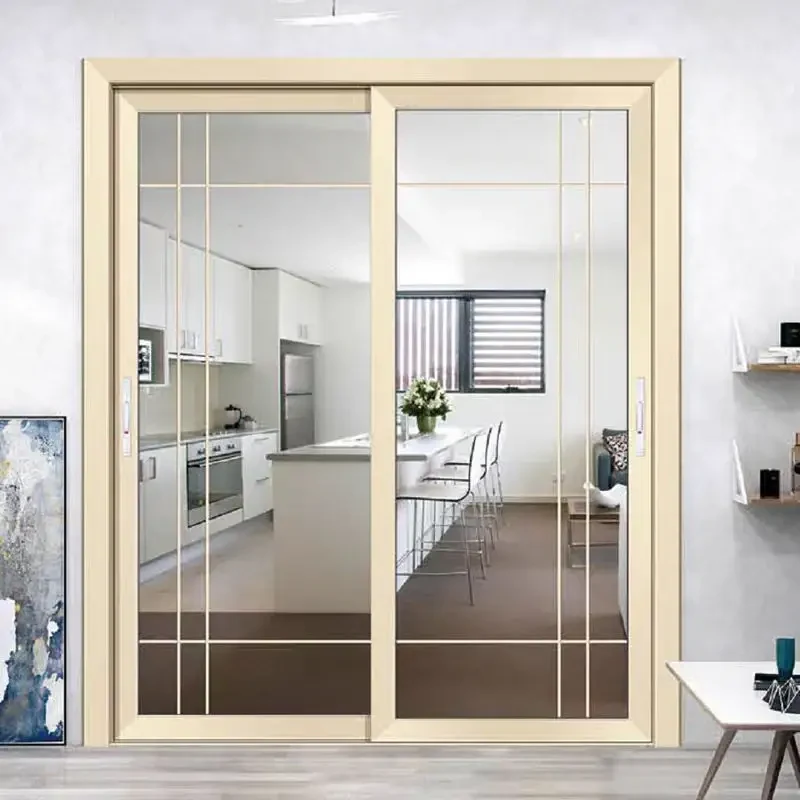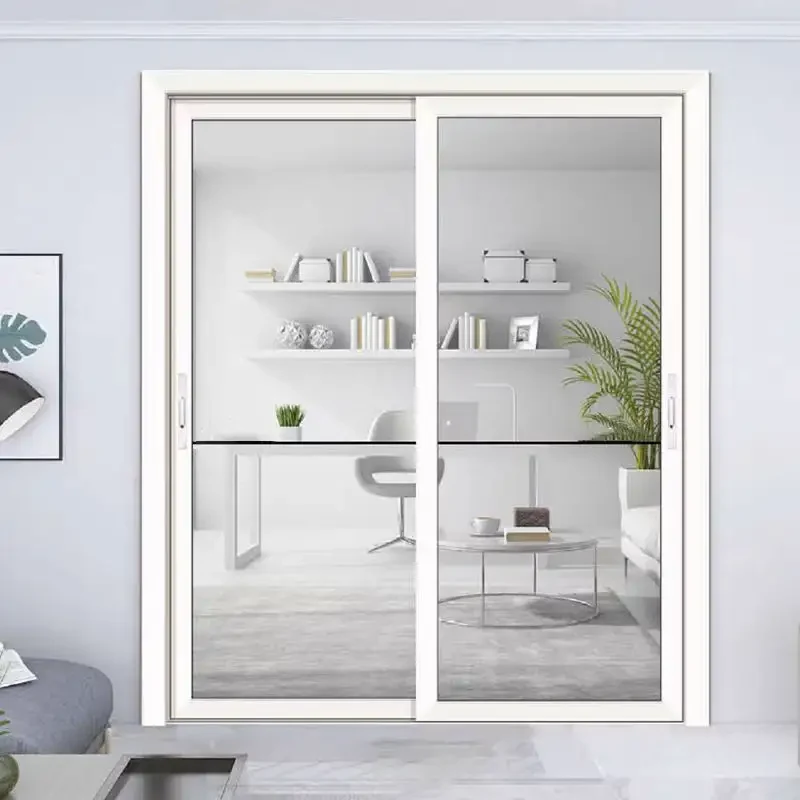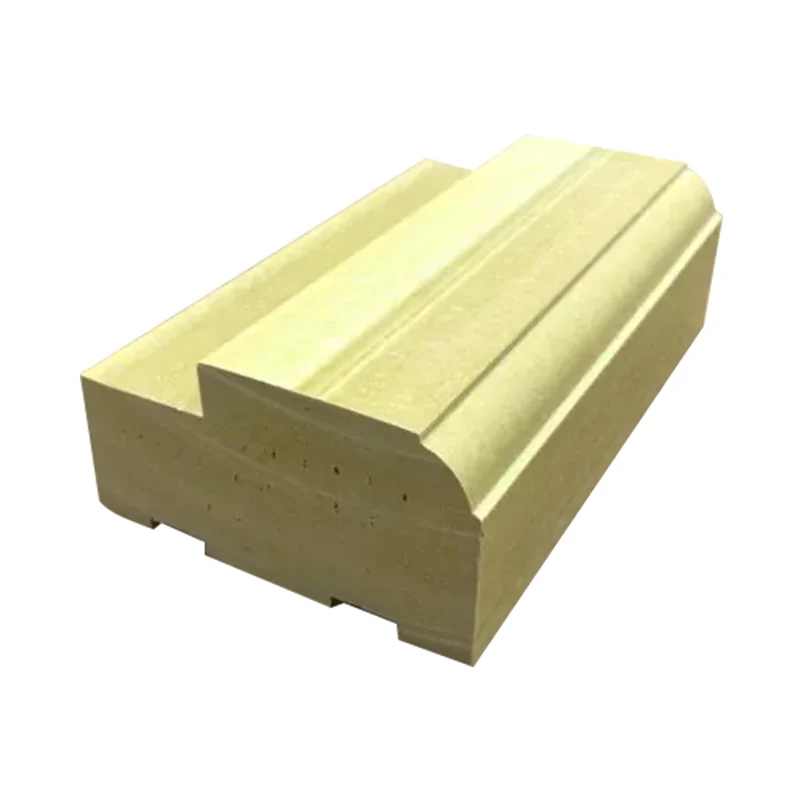
Article Summary: PVC Veneered Doors are increasingly popular for residential and commercial applications due to their durability, aesthetic appeal, and cost-effectiveness. This article explores types, specifications, installation methods, maintenance tips, and common questions about PVC doors to provide a complete reference for buyers, designers, and contractors.
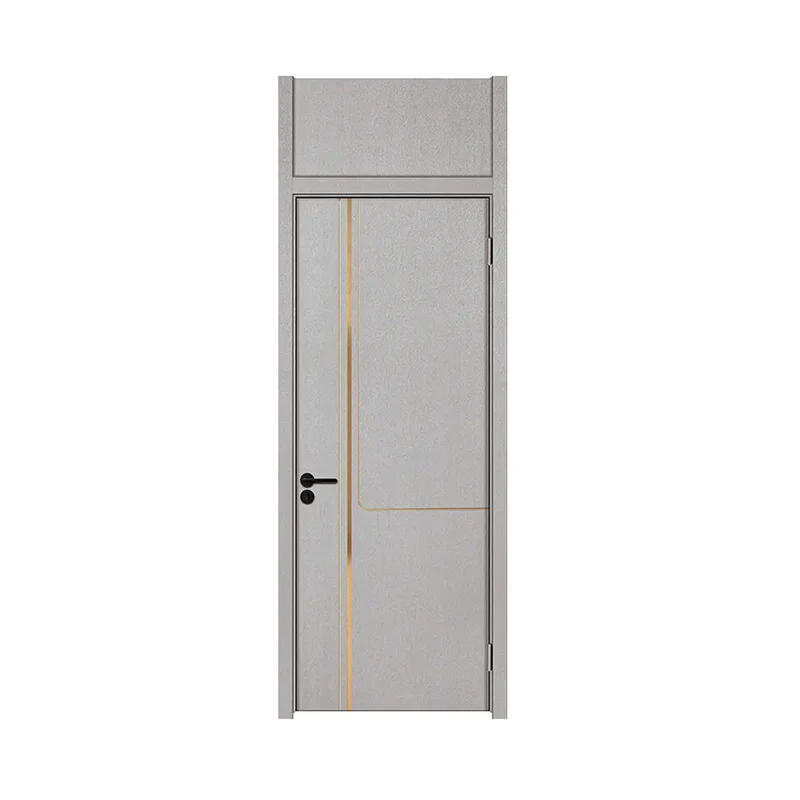
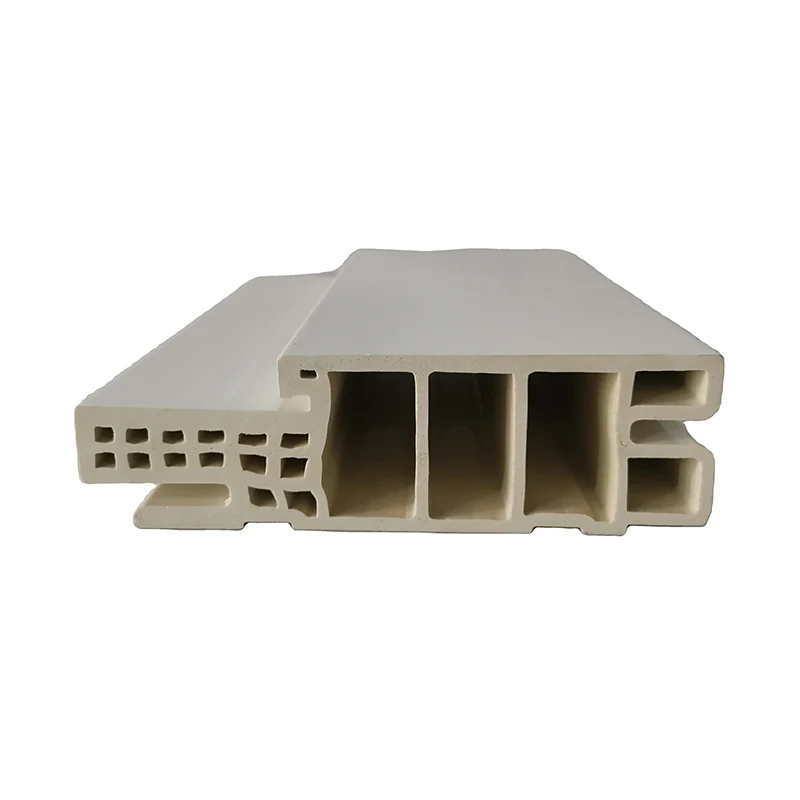
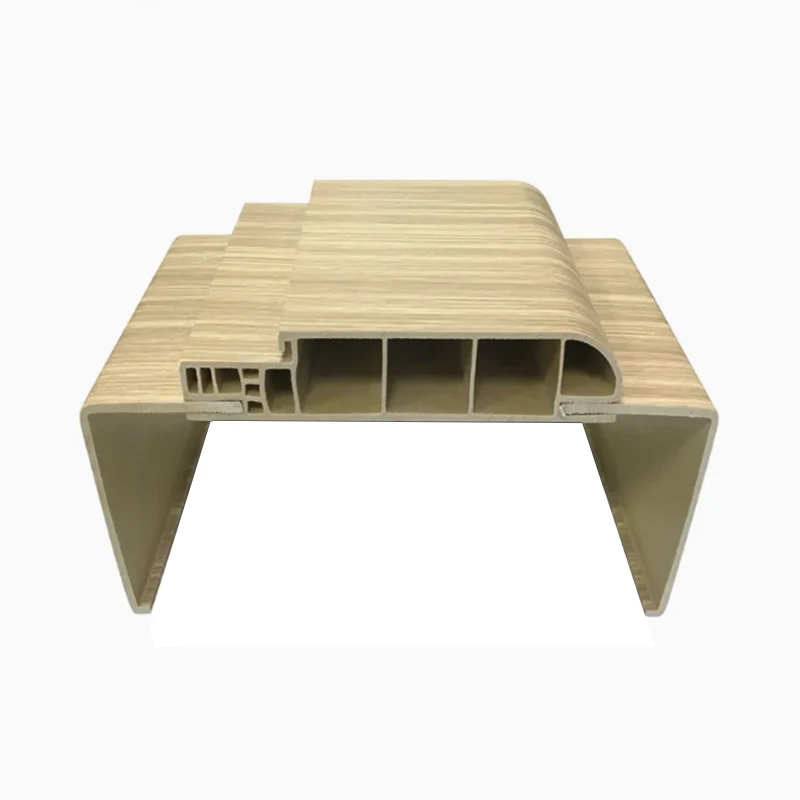
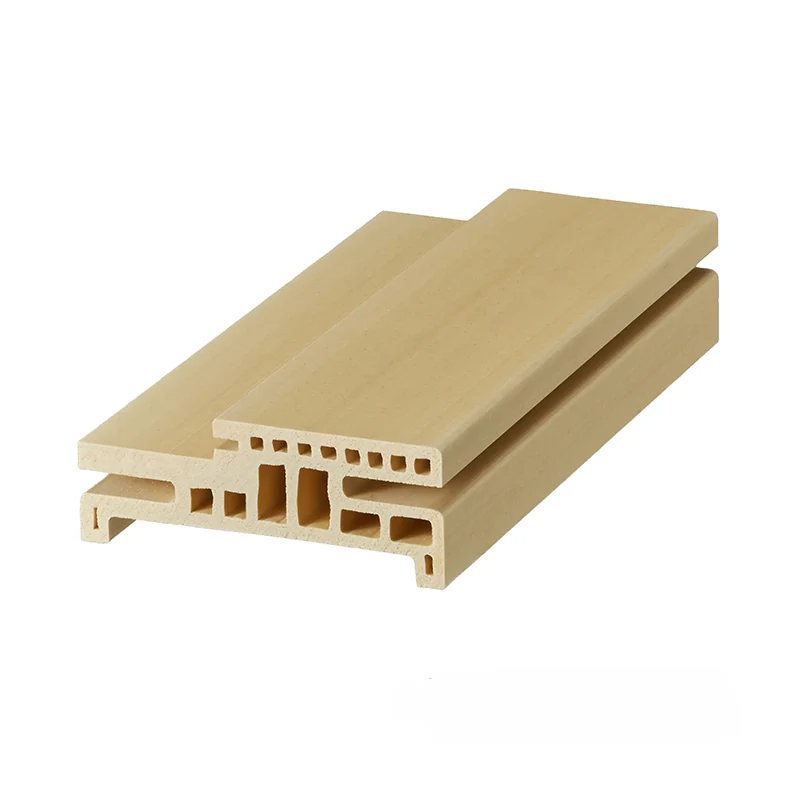
PVC Veneered Doors are doors covered with a high-quality PVC film on engineered wood or MDF cores, providing an elegant wood-like appearance while offering superior durability, water resistance, and low maintenance requirements. These doors are widely used in interior applications such as bedrooms, kitchens, offices, and commercial buildings.
The focus of this article is to provide a comprehensive understanding of PVC Veneered Doors, including specifications, types, installation methods, common issues, and practical tips for maintenance. Buyers and designers can utilize this guide to make informed decisions that balance aesthetic requirements with functional performance.
| Parameter | Description |
|---|---|
| Core Material | MDF, Particle Board, or Solid Wood Core |
| Veneer Type | High-quality PVC film with wood grain texture |
| Door Thickness | 35mm – 45mm standard thickness |
| Finish Options | Matte, Glossy, Semi-gloss, Custom wood grain patterns |
| Edge Banding | Matching PVC edge banding for seamless finish |
| Dimensions | Standard: 2000mm x 800mm (custom sizes available) |
| Fire Resistance | Class B1 fire retardant compliant (optional) |
| Water Resistance | High resistance due to PVC coating |
| Sound Insulation | Medium – reduces noise transmission effectively |
PVC Veneered Doors can be classified into several categories based on design, core material, and finish. Understanding these categories is critical for selecting the right door for a specific application.
Q1: How long does a PVC Veneered Door typically last?
A1: With proper installation and maintenance, a PVC Veneered Door can last 15-20 years. The lifespan depends on usage frequency, environmental conditions, and the quality of the PVC film and core materials.
Q2: Are PVC Veneered Doors suitable for high-moisture areas?
A2: Yes, PVC Veneered Doors are highly resistant to water and humidity due to the PVC coating. They are ideal for kitchens, bathrooms, and laundry rooms, but proper edge sealing is recommended to prevent water infiltration over time.
Q3: Can these doors be customized?
A3: PVC Veneered Doors can be customized in size, design, color, and finish. Many manufacturers, including Yilian, provide bespoke options to match interior themes, ensuring aesthetic and functional compatibility.
Q4: How do PVC doors compare to traditional wooden doors?
A4: PVC doors are lighter, more water-resistant, and require less maintenance compared to solid wooden doors. While wooden doors provide a natural aesthetic, PVC doors offer cost-effective, durable alternatives with similar visual appeal.
Q5: Is the PVC coating environmentally friendly?
A5: Modern PVC films are non-toxic and recyclable, and when combined with MDF cores sourced from sustainable forestry, they present an environmentally responsible option compared to traditional hardwood doors.
Yilian specializes in high-quality PVC Veneered Doors for both residential and commercial applications. With a commitment to craftsmanship, durability, and innovative design, Yilian ensures that every door meets international standards for performance and aesthetics. Whether selecting standard designs or custom options, Yilian provides comprehensive guidance for optimal door solutions.
For inquiries, product details, or customized solutions, please contact us directly to speak with a professional representative.