Wenzhou Yilian Decoration Material Co., Ltd.
News

Why Choose an Invisible Door for a Seamless Interior?

2026-01-08 0 Leave me a message

Article Summary

An Invisible Door is designed to blend into the wall so cleanly that the doorway feels “built-in” rather than “added on.” People usually start looking for one when traditional doors ruin a minimalist look, steal usable space, or clash with high-end finishes. This guide breaks down what an invisible door is, which problems it solves, what to watch out for during planning and installation, and how to choose materials, hardware, and finishes that hold up in real life—especially if you care about clean lines, privacy, and durability.


Table of Contents


Outline

  1. Define what makes an invisible door different from a standard door.
  2. Match real homeowner and designer frustrations to practical solutions.
  3. Explain where it performs best (and where it can be overkill).
  4. Break down hardware and construction choices that affect performance.
  5. Provide checklists for planning, installation, and maintenance.
  6. Offer a low-risk purchasing approach and answer common questions.

What an Invisible Door Actually Is

Invisible Door

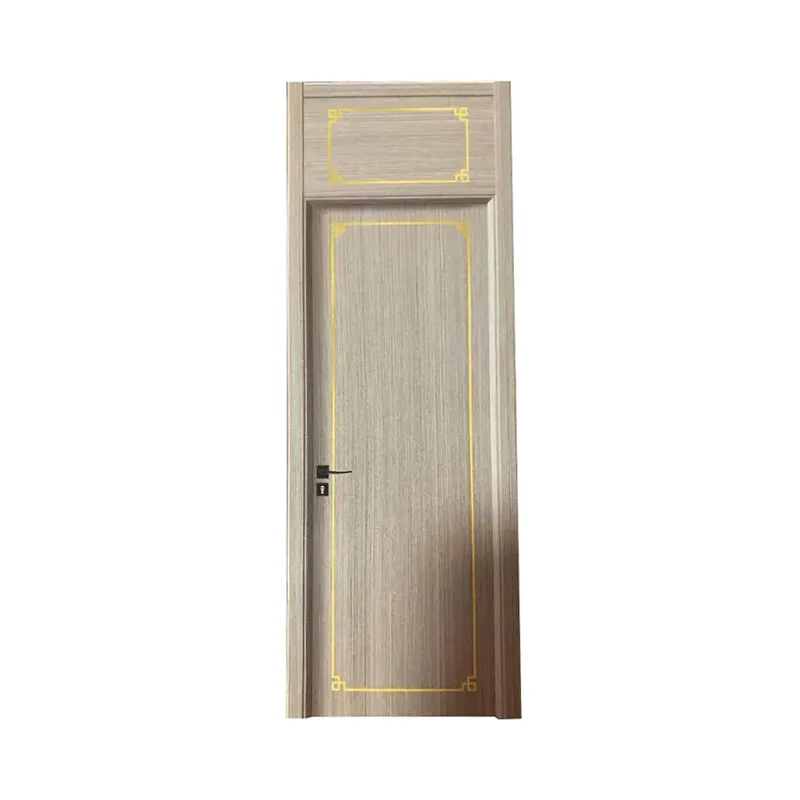
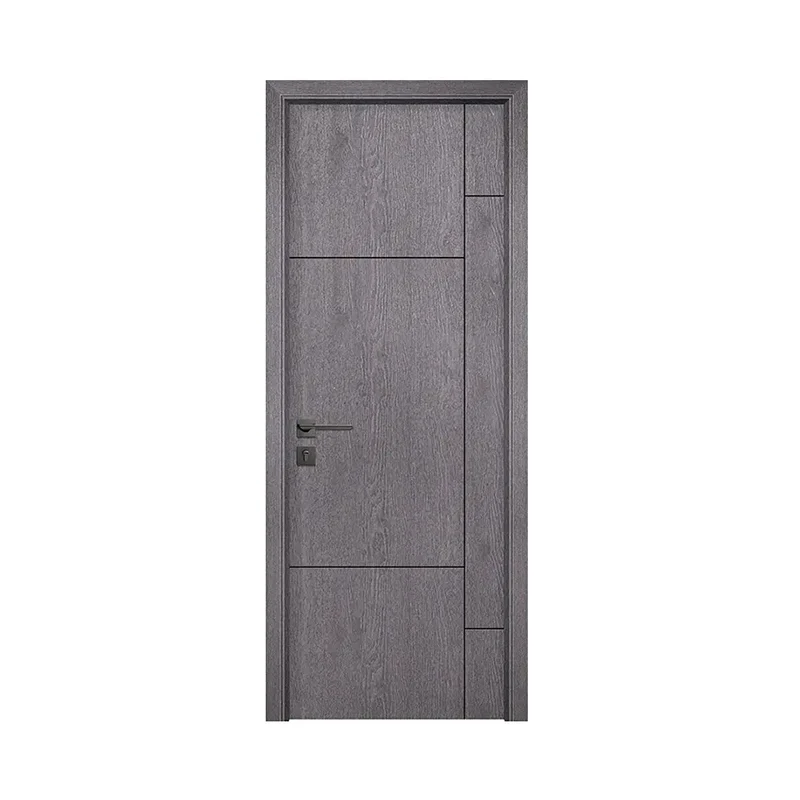
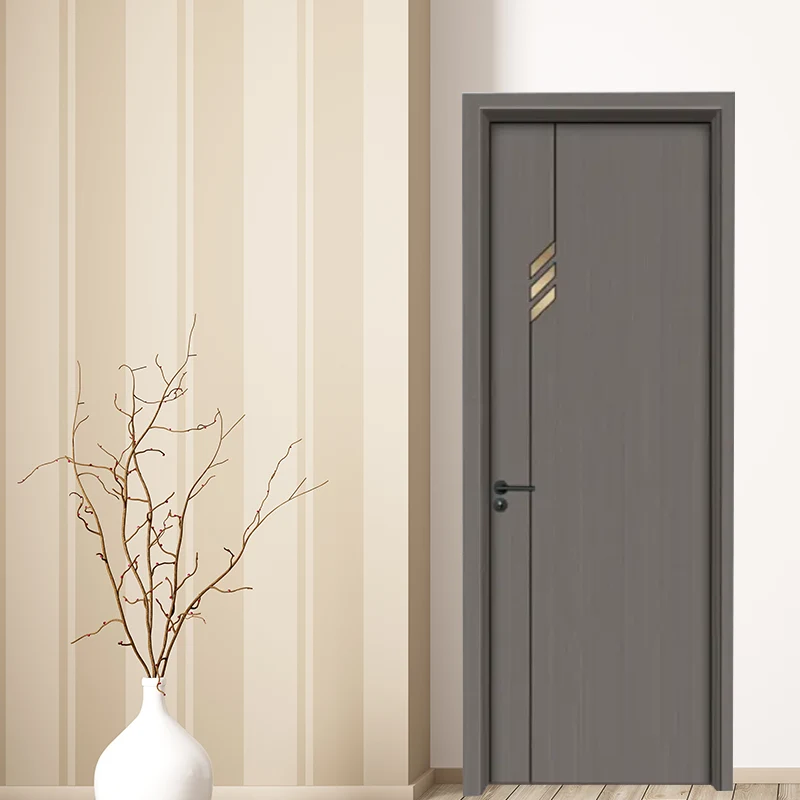
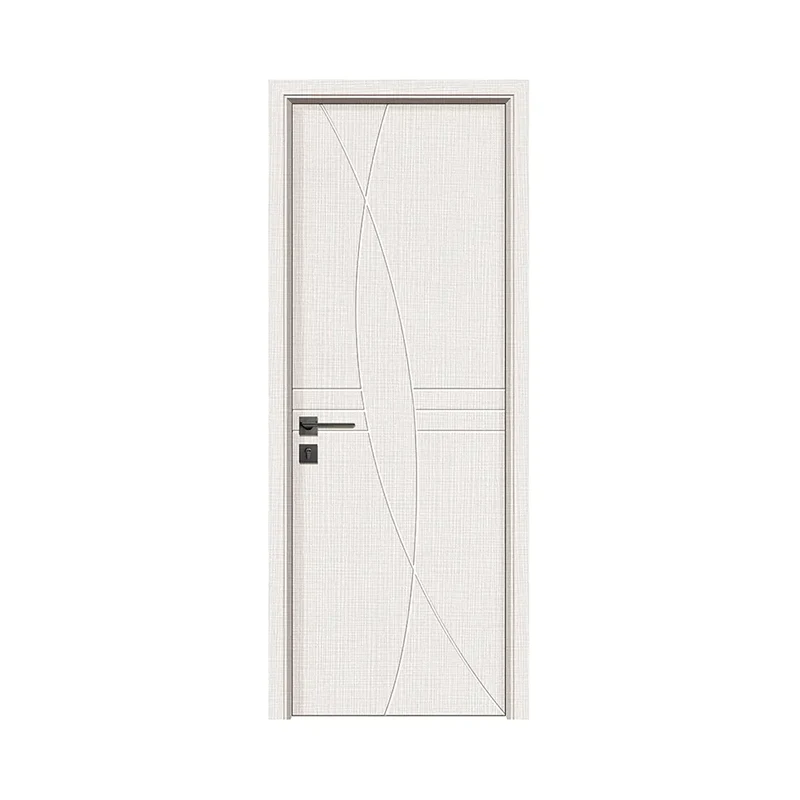
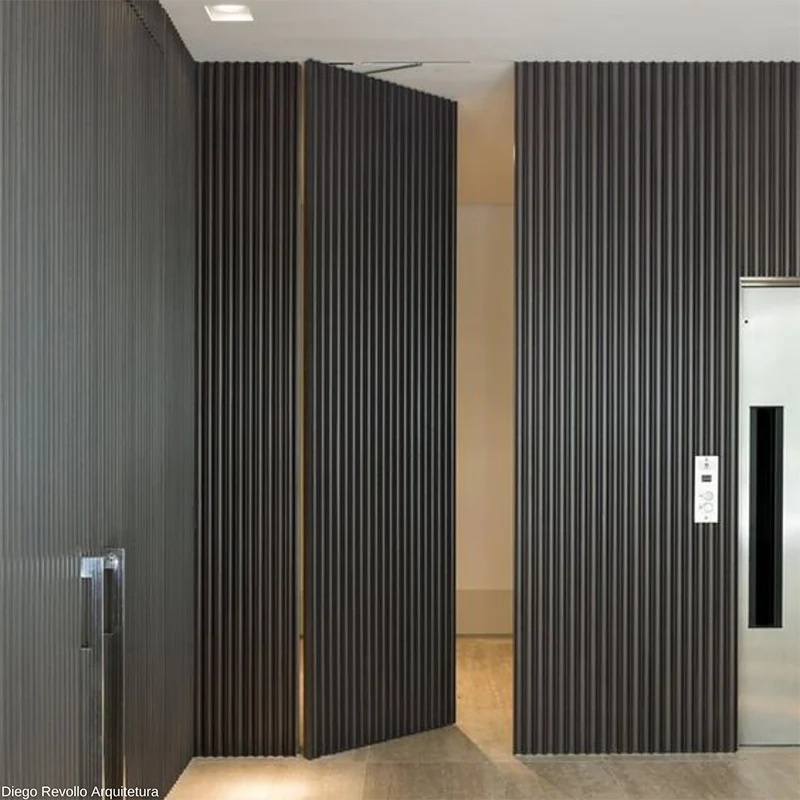
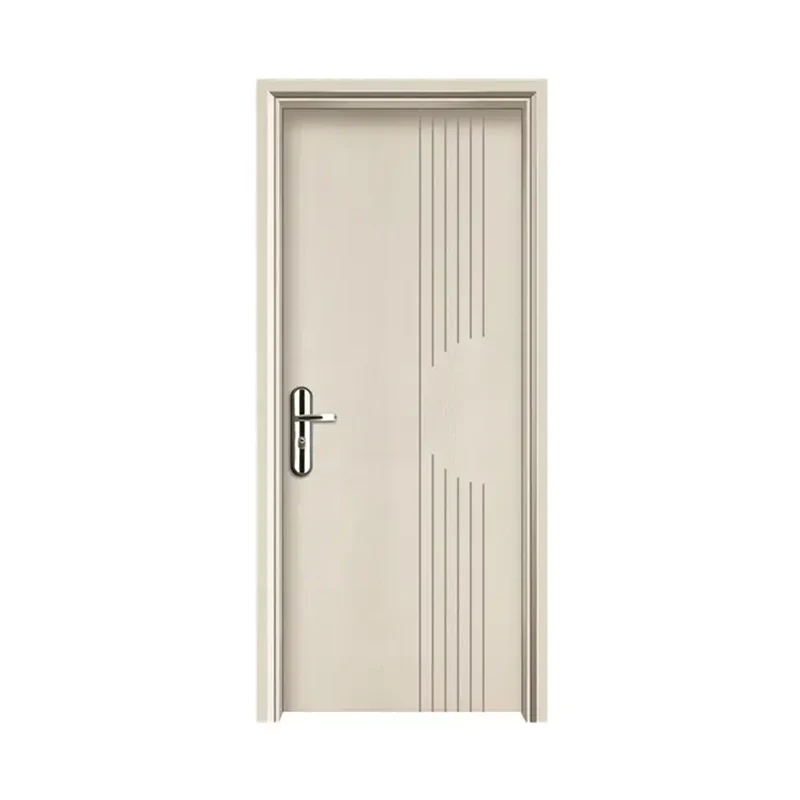
An Invisible Door (sometimes called a hidden door or flush-to-wall door) is built so the door leaf sits flush with the wall surface, usually with concealed hinges and a minimal frame that disappears after finishing. When done right, you don’t see bulky trim, the visual “break” in the wall is reduced, and the room looks calmer—especially in modern interiors with large wall panels, micro-cement, wallpaper, wood veneer, or continuous paint finishes.

The goal isn’t to make a door impossible to find. The goal is to make the door feel intentional: clean edges, consistent reveals, stable alignment, and a finish that matches the surrounding wall so closely that the eye stops getting interrupted.

  • Flush alignment: the door face lines up with the wall.
  • Concealed hardware: hinges and frame details are minimized.
  • Finish continuity: paint, veneer, panels, or wallpaper carry across the surface.

Common Pain Points and How an Invisible Door Helps

Pain Point 1: “My door looks like an afterthought.”

Standard doors often introduce thick casing, visible hinges, and a different finish than the wall. In a high-end space, that contrast can feel messy. An invisible door reduces visual clutter and supports a more “architectural” look.

Pain Point 2: “I want minimalist design, but I still need privacy.”

Open-plan layouts look great until you need a quiet office call, a concealed pantry, or a private bathroom entrance. An invisible door lets you keep the clean wall plane while still closing off a space.

Pain Point 3: “Door swings waste space and disrupt furniture layouts.”

You may not want to switch to a pocket door (which requires wall cavity planning) but you also don’t want a bulky, visually heavy entry. Invisible doors can be paired with smart swing direction and minimal hardware so the doorway feels lighter, and the surrounding furniture layout looks intentional.

Pain Point 4: “I’m worried a hidden door means fragile or hard to maintain.”

The truth: quality depends on construction, hinges, and installation accuracy. With the right frame rigidity, hinge capacity, and stable finishing, an invisible door can be as practical as it is beautiful. This article shows you exactly what to check so you don’t buy something that looks good for two months and then starts rubbing.


Where Invisible Doors Work Best

  • Master suites: blend bathroom or walk-in closet entries into feature walls.
  • Home offices: keep a clean corridor look while enabling sound/privacy separation.
  • Pantries and utility rooms: hide “functional” spaces without sacrificing access.
  • Hotel-style interiors: reduce visual noise in hallways and reception areas.
  • Media rooms: improve the cinematic vibe with fewer trim lines and interruptions.

When it might be unnecessary: if the wall finish is frequently changed, the framing is unstable, or the budget can’t support careful installation. An invisible door is a “precision” product—if the wall is wavy or the installer rushes, you lose the effect.


Key Components That Determine Quality

1) Frame structure

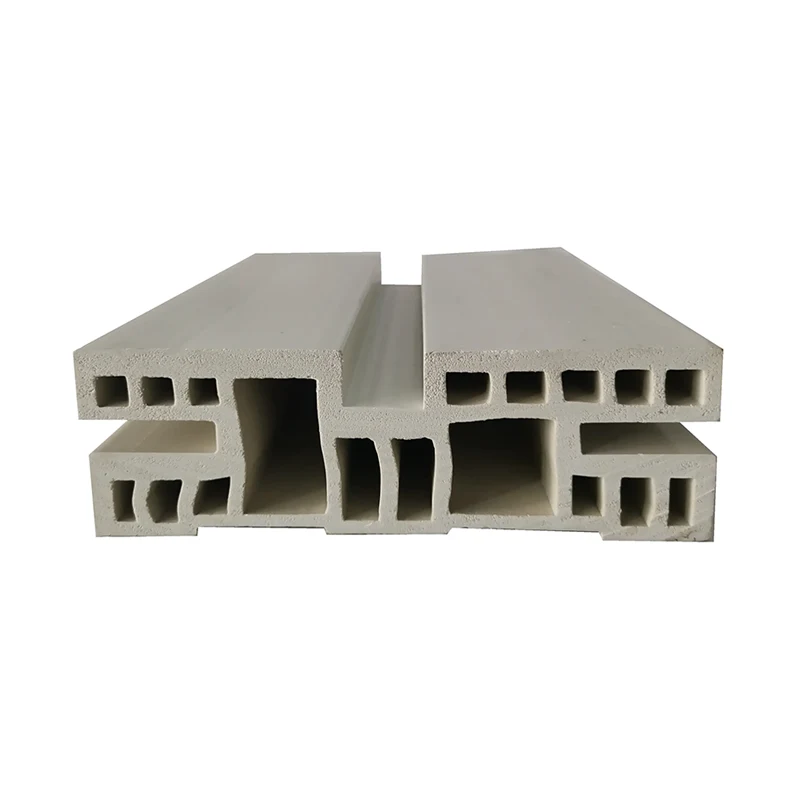
The hidden frame must stay square. If it flexes, the reveals will change, and the door may bind. Ask what the frame is made of (commonly aluminum or reinforced structures), and how it’s designed to anchor into the wall.

2) Hinge system

Concealed hinges do the heavy lifting: smooth swing, stable alignment, and controlled closing. The hinge choice should match the door weight and height. If a supplier can’t explain hinge load and adjustment range, treat that as a red flag.

3) Door leaf construction

A door that looks perfect but warps later is the fastest way to hate your renovation. Stability comes from core material, internal reinforcement, and proper finishing. If you plan to use veneer, wallpaper, or special coatings, confirm compatibility.

4) Latch and handle strategy

Do you want a minimal handle, a pull, a push-latch, or a magnetic lock? The best option depends on who uses the door and how often. For example, a push-latch can look clean, but in high-traffic areas a simple pull can feel more reliable day-to-day.

5) Finish matching

“Invisible” is really about the finish. Paint is simplest; wallpaper and veneer require more care. If you want the door to disappear into a panel system, you’ll need consistent seams and controlled tolerances.


Options Comparison Table

Door Approach Best For Advantages Watch Outs
Invisible Door Minimalist walls, feature wall continuity, premium interiors Clean look, concealed frame/hinges, design flexibility Needs precise installation, finish matching takes skill
Standard Swing Door Fast installs, budget projects, frequent remodels Simple parts, easy replacements, many styles Visible casing/hinges, heavier visual “break” in the wall
Pocket Door Saving swing space, tight rooms No swing clearance, can look tidy Wall cavity needed, future repairs can be more complex
Barn/Sliding Door Decor statement, rustic/industrial styles Easy retrofit, dramatic look Less privacy, wall space required, visible hardware

Planning and Measurement Checklist

If you want your Invisible Door to stay invisible (and not become “that door that rubs”), planning matters. Use this checklist before you order.

  • Wall type: confirm whether it’s masonry, stud wall, or panel system, and whether reinforcement is needed.
  • Door size: height and width affect weight, hinge needs, and stability requirements.
  • Swing direction: choose based on furniture layout, traffic flow, and privacy needs.
  • Floor finish timing: confirm if the final floor thickness is known before frame installation.
  • Finish plan: paint, wallpaper, veneer, micro-cement, or wall panels—each affects detailing and tolerance.
  • Acoustic expectations: decide if you need basic privacy or enhanced sound reduction.
  • Hardware preference: pull handle, minimal grip, push-latch, lock, or magnetic latch.

Small but important detail: ask how many millimeters of reveal gap are expected around the door. Consistent gaps are the “luxury signal.”


Installation Tips and On-Site Quality Checks

Invisible doors reward careful installers. If you’re hiring a contractor, share these checkpoints in advance so everyone knows what “good” looks like.

  1. Confirm plumb and level: the frame must be square before finishing begins.
  2. Protect the frame during plaster/paint work: sloppy finishing ruins crisp edges.
  3. Adjust hinges after finishing: concealed hinges are meant to be fine-tuned—use that feature.
  4. Test for rubbing: open/close slowly and quickly; check top corners and latch side.
  5. Check reveal consistency: the gap should look even around the perimeter.
  6. Validate latch alignment: a clean close should not require slamming.

If you plan to wallpaper or veneer the door to match the wall, confirm your finishing team understands seam alignment and edge wrapping. The “invisible” effect is lost when patterns misalign or edges swell.


Maintenance and Long-Term Care
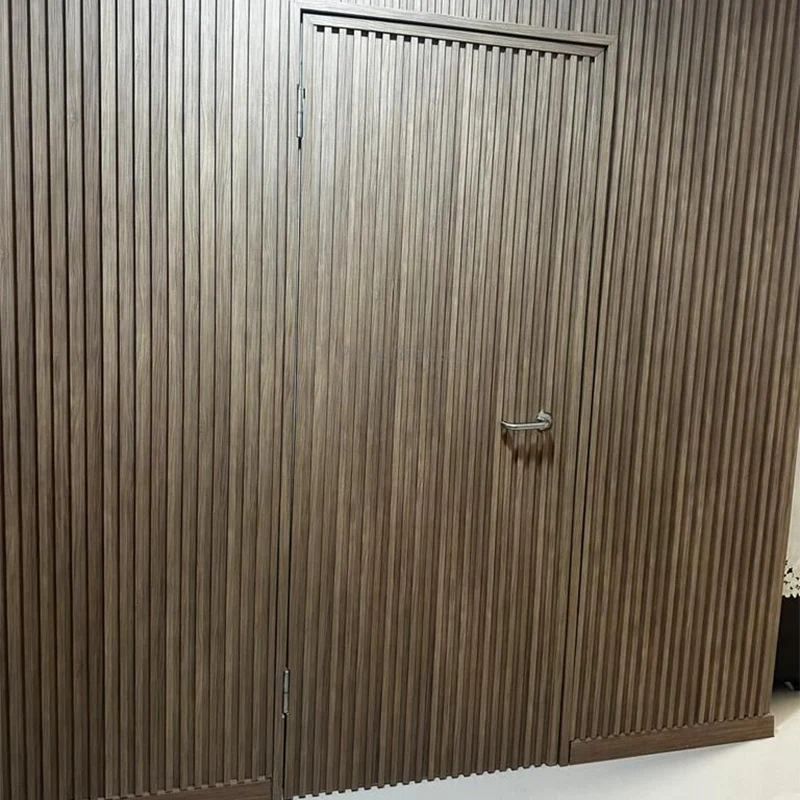
Invisible Door

A well-built Invisible Door doesn’t demand constant attention, but it does appreciate basic care—especially in humid climates or high-traffic homes.

  • Keep hinges clean: dust and paint overspray are common causes of stiffness.
  • Avoid soaking wet cleaning: use a lightly damp cloth, especially near edges and seams.
  • Re-check adjustments seasonally: small shifts can happen as buildings settle.
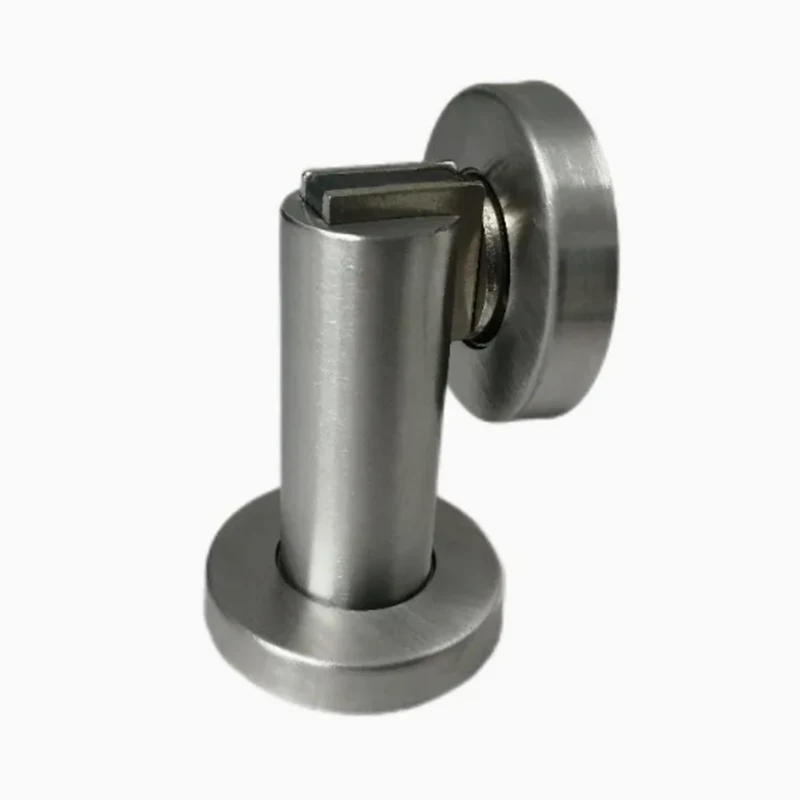
  • Protect the finish: use door stops to prevent impact damage that ruins flush alignment.

If your priority is durability, talk to your supplier about stable core construction and suitable surface finishes for your environment. Bathrooms, for example, may require more moisture-resistant choices than a hallway.
How to Buy With Less Risk

Buying an invisible door is not just buying a door leaf—it’s buying a system: frame, hinges, finishing method, and installation plan. One practical way to reduce risk is to work with a manufacturer that can support customization and consistency from batch to batch.

Wenzhou Yilian Decoration Material Co., Ltd. provides invisible door solutions aimed at modern interiors where clean detailing matters. When you’re evaluating a supplier, focus on what they can explain clearly:

  • System clarity: do they specify frame type, hinge model capability, and adjustment range?
  • Finish compatibility: can the door accept your planned wall finish without warping or edge issues?
  • Quality process: do they describe how squareness, surface flatness, and hardware performance are checked?
  • Project support: can they provide guidance for installers and finishing teams?

If you’re renovating a premium space, the best value is often the option that avoids rework. A door that needs repair after installation costs far more—in time, dust, and frustration—than choosing a stable system at the start.


FAQ

Is an Invisible Door actually secure and private?

Yes. Privacy depends on door construction, seals, and latch/lock choice. If you need stronger privacy (sound or light control), ask about seals and door leaf thickness options.

Does an Invisible Door reduce noise?

It can, but it’s not automatic. Noise control improves when the door is heavier, closes tightly, and uses appropriate sealing details. If noise matters, bring it up early so the system can be specified correctly.

Can I match the door to wallpaper or wall panels?

Usually yes, with the right preparation and finishing technique. Pattern alignment, edge treatment, and stable surfaces are essential for a clean result.

Is installation difficult?

It’s more precision-focused than a standard door. The frame must be installed accurately, and final hinge adjustments should happen after finishing. A skilled team makes the difference between “wow” and “why is this door scraping.”

What’s the most common mistake people make?

Treating it like a normal door. Invisible doors rely on system accuracy and finish coordination. If the wall finishing and door installation aren’t planned together, the reveals and flush lines suffer.


Next Step

If you’re aiming for a clean, modern interior that feels calm and intentional, an Invisible Door can be the detail that makes the whole space look “designed,” not just decorated. Tell us your wall type, opening size, preferred finish, and usage scenario, and we’ll help you narrow down a practical configuration.

Ready to move from “idea” to “installation plan”? Contact us to discuss your project requirements and get a solution that fits your space.

Back to top

Related News
Leave me a message
X
We use cookies to offer you a better browsing experience, analyze site traffic and personalize content. By using this site, you agree to our use of cookies. Privacy Policy
Reject Accept