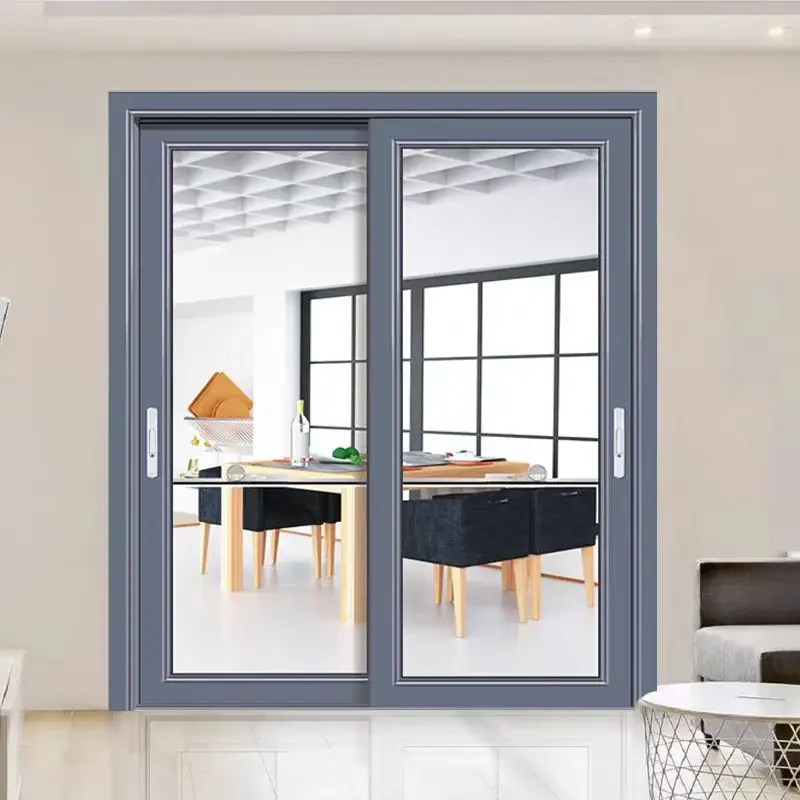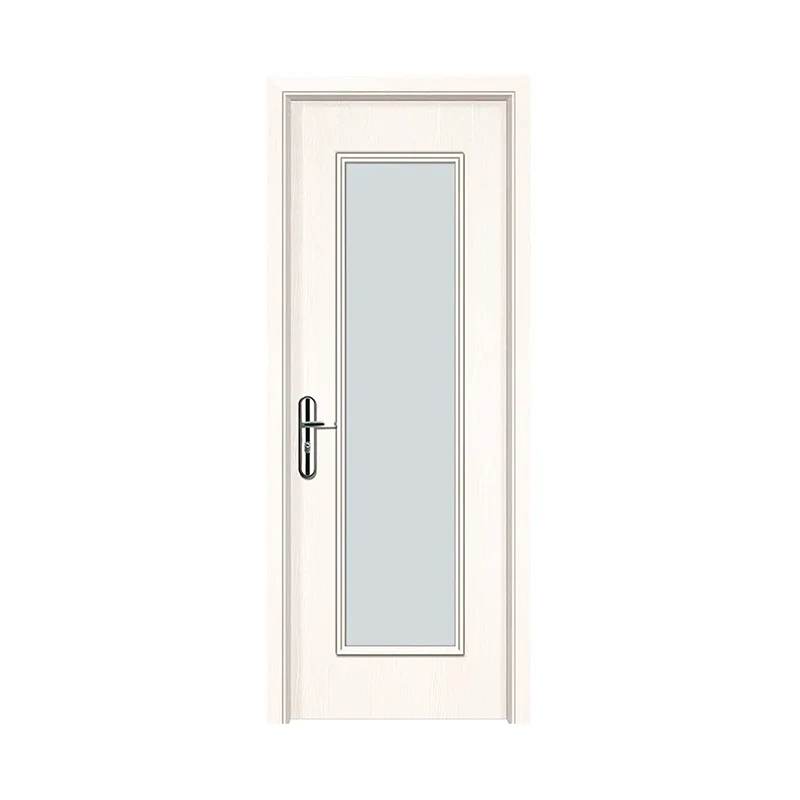
Doors look simple—until they start swelling, sticking, rotting at the bottom edge, or turning into a maintenance headache after a few humid seasons. Many buyers (homeowners, contractors, developers, hotel managers) face the same pain points: wooden doors that absorb moisture, laminated boards that delaminate, uneven finishes that show scratches, and replacement cycles that quietly inflate project cost.
A 100% WPC Door (Wood Plastic Composite) is built to be boring in the best way: stable, moisture-resistant, and consistent from batch to batch. This article breaks down what “100% WPC” actually means, where it performs best, how it compares to wood/MDF/PVC options, and what to check before you place an order—so you can choose a door that stays aligned, closes smoothly, and looks clean long after the handover.
When customers say “I just need a door,” they usually mean “I need a door that won’t create more work later.” Here are the most common complaints that show up after installation:
Reality check: A door is not just a panel. It’s a moving, high-contact component that must stay stable through seasonal changes, frequent handling, and cleaning—especially in hotels, rentals, hospitals, dorms, and busy homes.
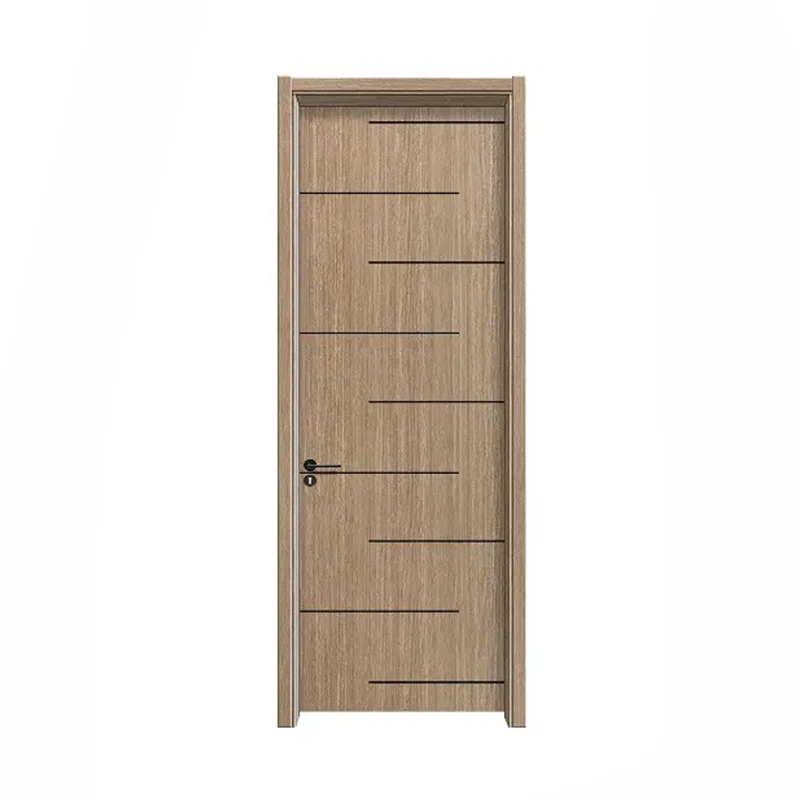
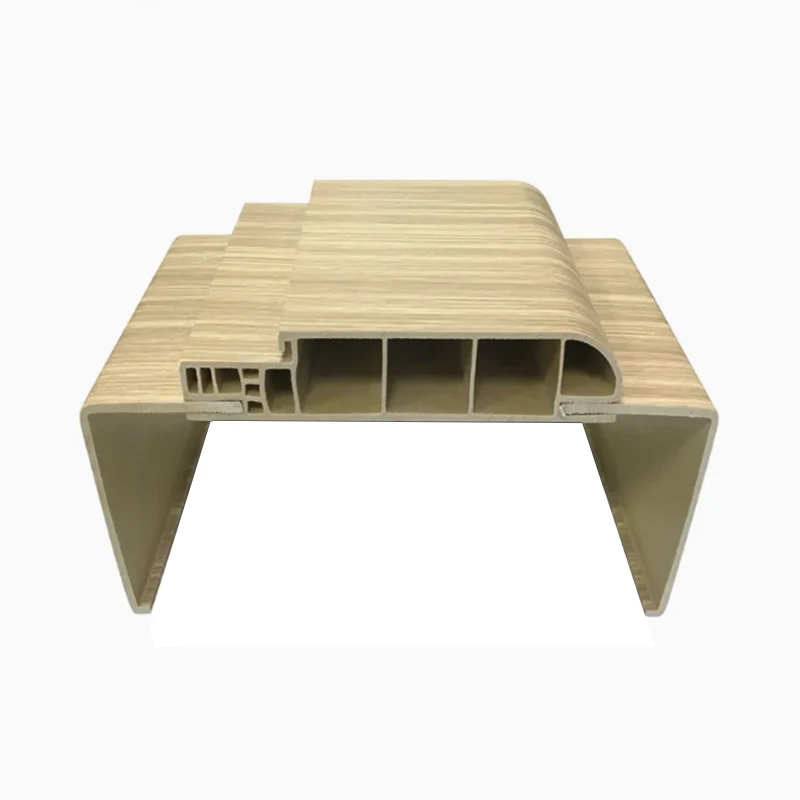
WPC stands for Wood Plastic Composite. In a 100% WPC Door, the core and main structural components are made from a composite blend designed to resist moisture absorption and reduce the natural movement you see in traditional wood products.
What “100%” typically implies
What it is NOT
Instead of listing generic features, let’s tie performance to the problems buyers actually feel on-site. A 100% WPC Door tends to be favored when stability and durability matter more than tradition.
| Buyer Pain Point | What a 100% WPC Door Helps With | Where It Matters Most |
|---|---|---|
| Humidity causes swelling | Engineered structure reduces warping and seasonal movement | Bathrooms, coastal regions, tropical climates, laundry rooms |
| Bottom edge gets damaged | Moisture resistance helps maintain integrity near floors | Hotels, rentals, families with frequent cleaning |
| Pest concerns | Composite materials can reduce termite risk compared with pure wood components | Warm regions, ground-floor units, long-term properties |
| High daily traffic | More resilient to knocks and handling than delicate painted surfaces | Commercial corridors, dorms, offices, healthcare spaces |
| Maintenance interrupts operation | Less repainting/replacement frequency; easier routine cleaning | Hotels, property management, school projects |
What buyers like most: predictable behavior. Doors that remain aligned and close smoothly save time on callbacks, hinge adjustments, and “why doesn’t this latch?” complaints.
Not every project needs the same door. Use the table below to quickly match material choice to your priorities.
| Material Type | Moisture Resistance | Stability (Warp/Swelling) | Surface Durability | Typical Best Fit |
|---|---|---|---|---|
| 100% WPC Door | High | High | Medium to High (depends on finish) | Bathrooms, rentals, hotels, high-traffic interiors |
| MDF / HDF Door | Low to Medium | Medium | Medium | Dry bedrooms, budget projects with controlled humidity |
| Solid Wood Door | Medium (varies) | Medium (moves with seasons) | Medium | Premium residential aesthetics, controlled indoor climate |
| PVC Door | High | Medium | Medium | Wet zones where “lightweight” is acceptable |
| Laminated Particle Board Door | Low | Low to Medium | Low to Medium | Short-cycle renovations, low-humidity interiors |
If your top concern is humidity + low callbacks, a 100% WPC Door is often the “quietly reliable” pick. If your top concern is classic wood grain authenticity, solid wood may still be your preference—just plan for movement and upkeep.
Two doors can both be labeled “WPC” and behave very differently. Here’s a practical checklist buyers use to avoid regret:
Quick spec guide (common discussion points)
| Spec Item | Why It Matters | What to Ask Your Supplier |
|---|---|---|
| Door leaf thickness | Affects feel, sound, and hardware compatibility | Available thickness range and recommended use-cases |
| Surface finish type | Impacts scratch resistance and cleaning | Finish options, warranty scope, cleaning guidance |
| Edge performance | Edges are where moisture and impact often start damage | Edge treatment method and durability tests |
| Customization | Projects often need sizes, colors, and accessories | Custom size range, color library, lead times |
Even the best door can underperform if installation is rushed. These tips help keep a 100% WPC Door looking sharp and operating smoothly:
Maintenance should feel effortless. If you need a strict “do not touch” list to keep a door presentable, it’s usually the wrong door for the space.
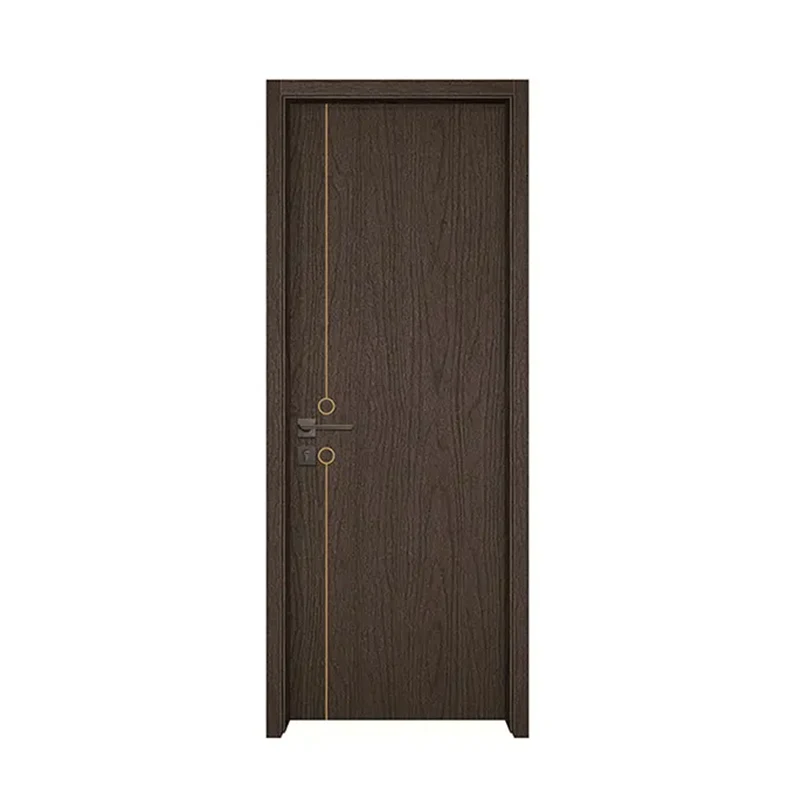
Where does a 100% WPC Door earn its keep? Anywhere moisture, cleaning, and frequent handling are part of daily life.
| Space Type | Common Challenge | Why WPC Often Works Well |
|---|---|---|
| Bathrooms / shower-adjacent rooms | Steam, splashes, wet floors | Moisture resistance helps prevent swelling and edge breakdown |
| Hotels & serviced apartments | High turnover, frequent cleaning | Less maintenance downtime and consistent appearance across rooms |
| Rental properties | Wear from daily use | Reduced callbacks; easy upkeep for property managers |
| Hospitals / clinics | Cleanliness + durability | Stable performance under routine cleaning practices |
| Schools / dorms | Impact and heavy handling | More forgiving under knocks and fast-paced usage |
A door is a system: door leaf + edge details + frame fit + surface finish + packaging. When you’re sourcing at scale, the “best material” is only as good as the factory discipline behind it.
Wenzhou Yilian Decoration Material Co., Ltd. focuses on interior door solutions designed for practical environments where moisture resistance and everyday durability matter. When evaluating any supplier for a 100% WPC Door, look for these signals of reliability:
Procurement tip: If your project includes bathrooms, coastal locations, or high turnover properties, standardizing on a 100% WPC Door can simplify maintenance planning and reduce long-term replacement costs.
Yes, bathrooms are one of the most common reasons buyers choose a 100% WPC Door. Steam and splashes can cause traditional materials to swell or degrade at the edges, while WPC is generally selected for its moisture-resistant behavior.
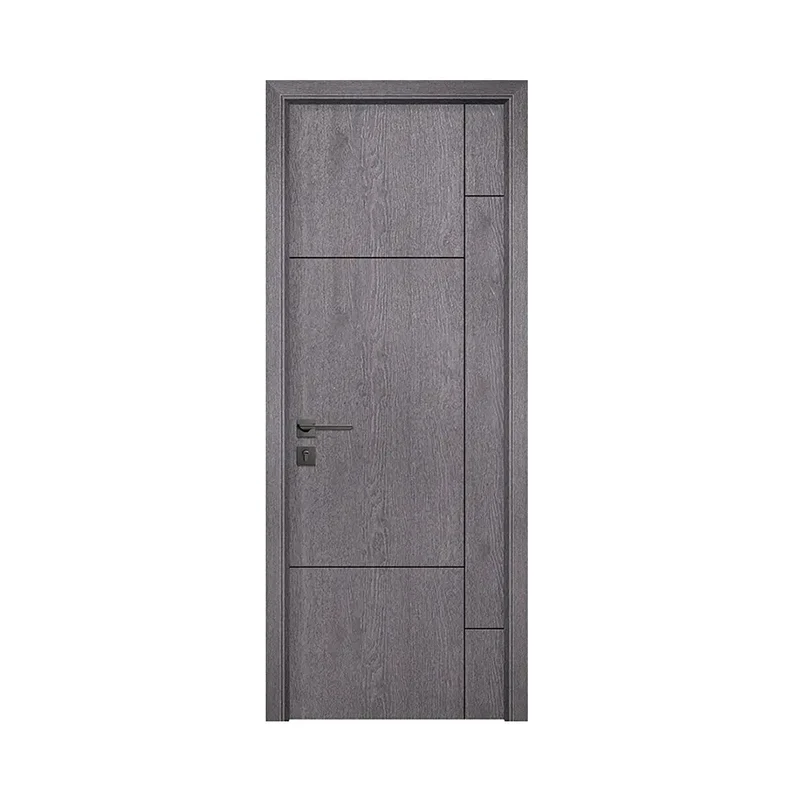
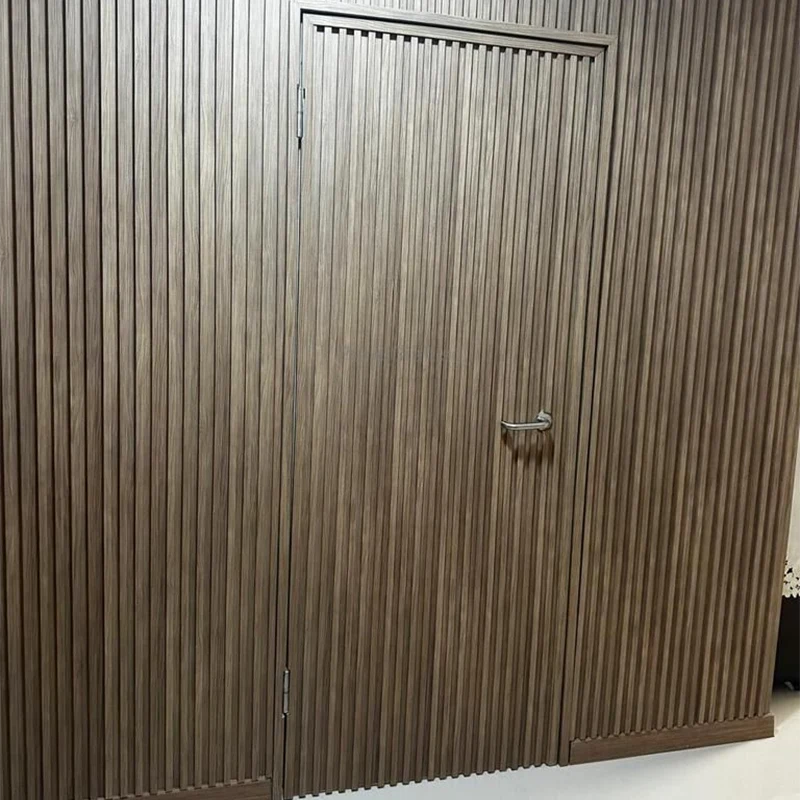
Not necessarily. The final appearance depends on the surface finish and design options. Many projects choose finishes that mimic modern matte textures or wood-like aesthetics while keeping the performance advantages of WPC.
Performance varies by finish, but WPC doors are often chosen for busy interiors because they can be more forgiving under knocks and repeated handling than delicate painted doors. For heavy-traffic buildings, confirm finish durability and consider protective hardware at impact zones.
Many suppliers offer customization for project needs. If you’re ordering at scale, prepare a clear schedule of sizes, swing directions, finishes, and lockset requirements so the factory can align production and avoid site delays.
Assuming the label alone guarantees performance. Always verify structure, edge treatment, finish type, and packaging. A well-made 100% WPC Door should behave consistently across batches and remain stable in real environments.
If you’ve dealt with swollen doors, peeling surfaces, or constant touch-ups, the material choice is doing more damage than you think. A 100% WPC Door is often selected because it reduces moisture-related surprises, keeps alignment more consistent, and fits the daily reality of cleaning, traffic, and long-term operation.
Want to match the right 100% WPC Door configuration to your project (bathroom, hotel, rental, office, or full residential package)? Share your target sizes, finishes, and quantity plan—contact us at Wenzhou Yilian Decoration Material Co., Ltd. and we’ll help you shortlist a practical, stable solution that stays good-looking long after installation.