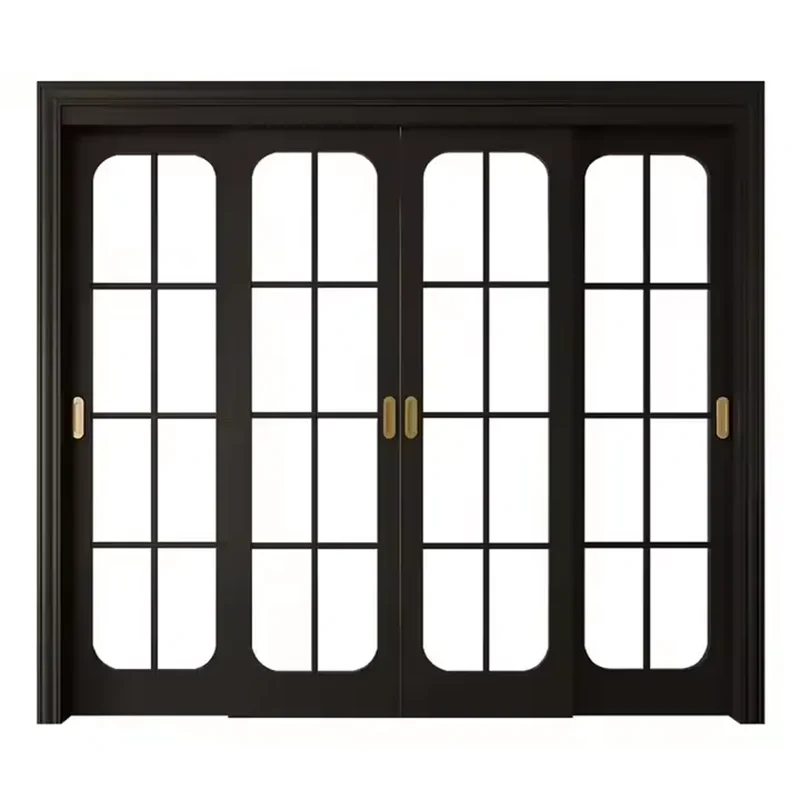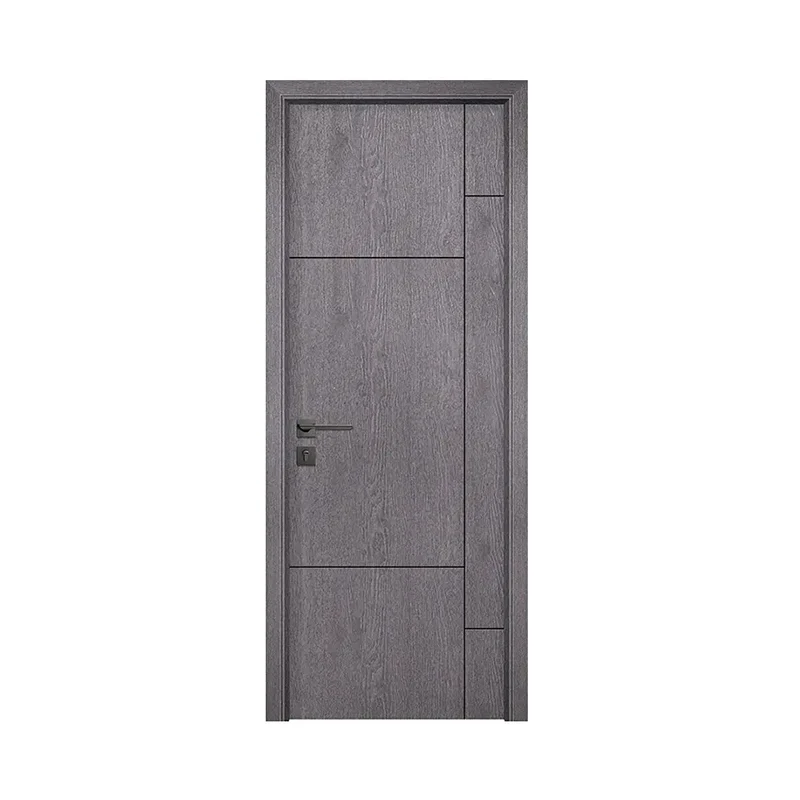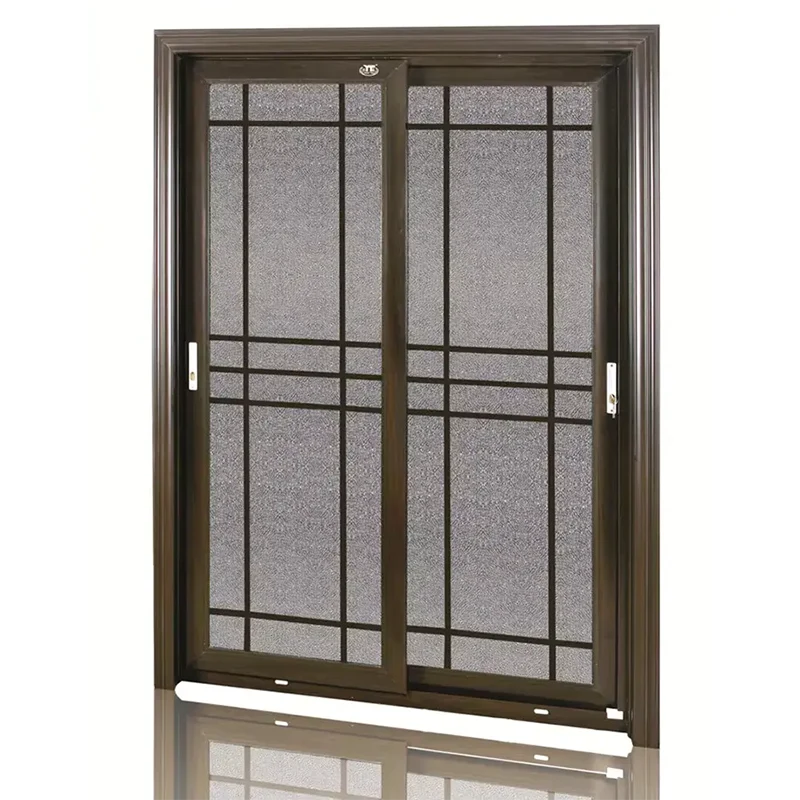
Door frames look simple until they start causing expensive “small” problems: swollen jambs after a rainy season, loose hinges from soft or cracked substrates, termites and rot in humid areas, messy repaint cycles, and frames that never quite align with the door leaf. WPC Door Frames (Wood Plastic Composite frames) are often chosen to address these pain points with better resistance to moisture, insects, and day-to-day wear—while keeping a clean, consistent finish.
In this article, I’ll break down when WPC Door Frames make sense, what specifications matter, how to avoid installation mistakes, and how to evaluate suppliers. I’ll also share a quick checklist you can use before you place an order—especially helpful for builders, contractors, and distributors who need reliable performance across multiple projects.
Most complaints about doors start with the door leaf, but a surprising number of issues are really frame problems. If you’ve ever had a “perfect” door that suddenly drags, squeaks, or won’t latch after weather changes, the frame is often the culprit.
Common pain points that trigger rework:
If your project involves bathrooms, kitchens, apartment corridors, or any space with frequent cleaning and humidity, your frame selection matters more than you think.
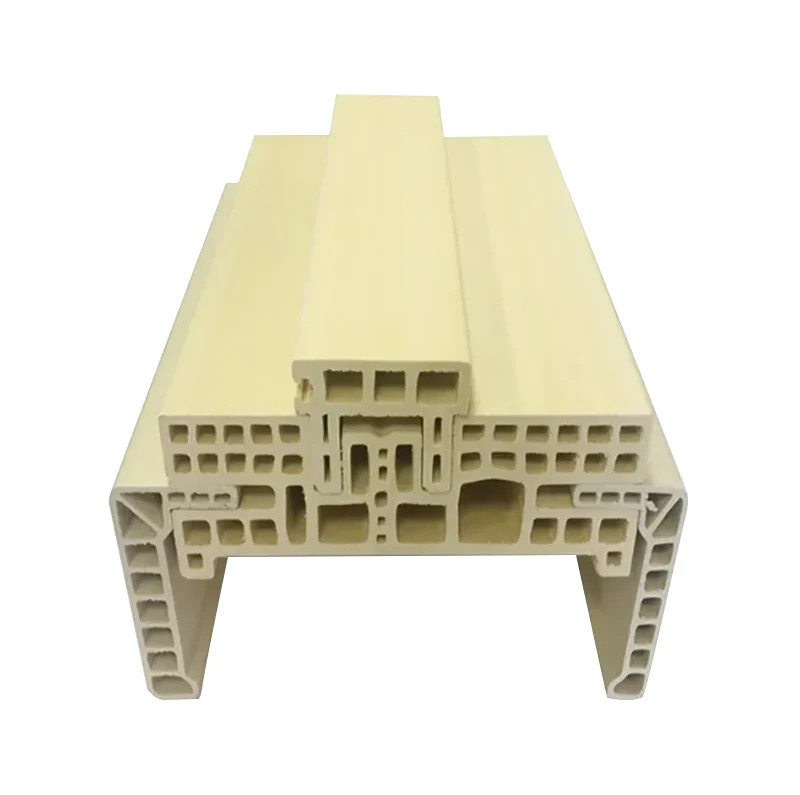
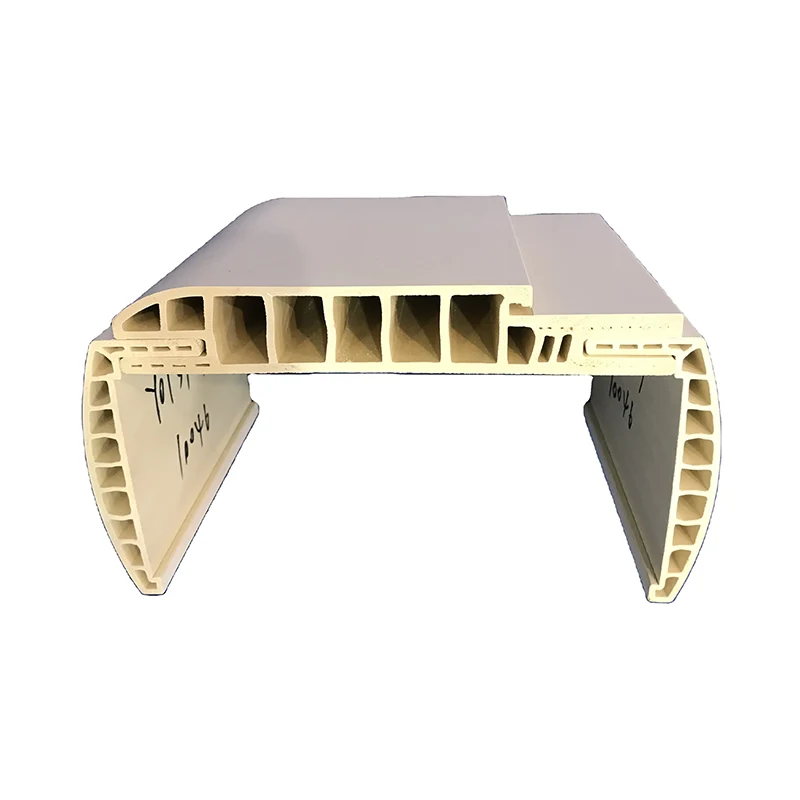
WPC Door Frames are typically produced by combining wood fibers (or wood flour) with thermoplastic materials and additives, then forming the frame profile through extrusion or molding. The goal is to capture a “wood-like” appearance while improving resistance to moisture and pests compared to many traditional timber options.
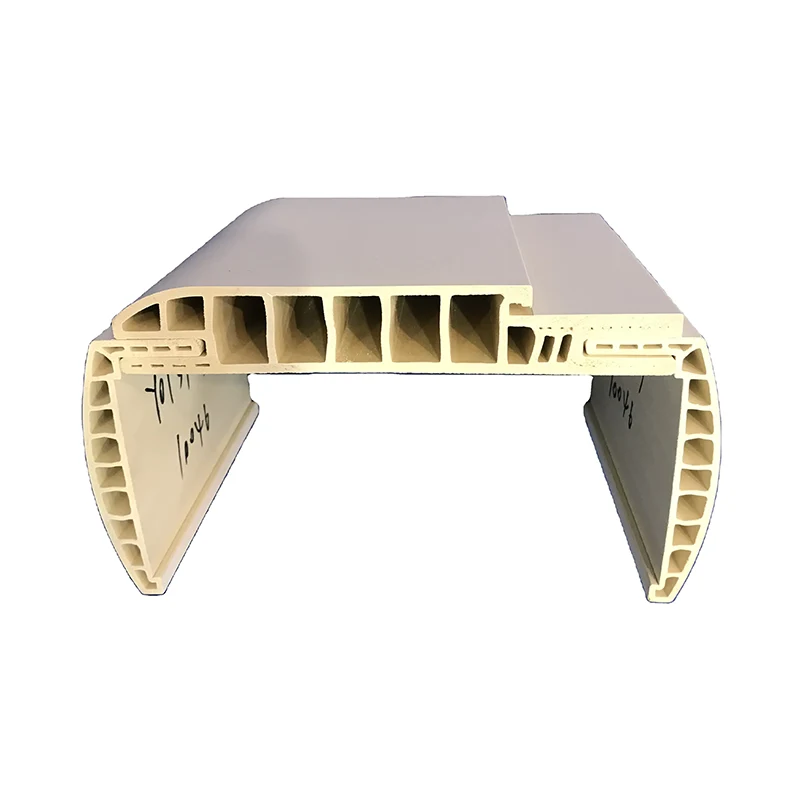
Not all WPC is the same. The performance depends on the formulation, profile design, internal structure (solid vs multi-chamber), and surface finish. This is why asking the right questions—before quoting—can save you from unpleasant surprises.
Think of WPC Door Frames as a “stability-first” choice. They’re often used when the environment is unfriendly to ordinary wood frames or when consistent finishing and reduced maintenance are top priorities.
If your procurement team gets judged on “How many defects came back after handover,” WPC Door Frames can be a practical way to reduce that headache—especially in wet areas and high-traffic zones.
Different materials are “best” in different situations. Here’s a clear comparison focused on what most buyers care about: stability, maintenance, and installation outcomes.
| Frame Material | What it’s good at | Common problems | Typical best-use |
|---|---|---|---|
| WPC Door Frames | Moisture tolerance, consistent profiles, reduced routine maintenance | Quality depends heavily on formulation and profile design; must match the right hardware and installation method | Bathrooms, kitchens, apartments, hotels, offices, coastal or humid regions |
| Solid wood | Classic feel, easy to machine, strong screw holding (when dry and stable) | Swelling/warping, termites/rot risk, frequent repainting in harsh environments | Dry interiors, premium carpentry projects, areas with controlled climate |
| MDF / engineered wood | Cost control, smooth painting surface in dry conditions | Weak against moisture, edge damage, screw holding issues over time | Budget interior projects in low-humidity zones |
| Metal (aluminum/steel) | High durability, slim profiles, strong structural performance | Can feel “cold,” may dent; corrosion management depends on coating and environment | Commercial corridors, hospitals, industrial facilities, heavy-use openings |
If you only ask for “a WPC frame,” you’ll get a quote—but not necessarily the frame that fits your door, wall, and installation method. These are the details that prevent mistakes:
Buyer tip: Treat the frame as a system component, not a standalone product. A good supplier will ask about wall thickness, opening size, hinge position, and finishing expectations before finalizing the profile.
Even excellent WPC Door Frames can underperform if the installation process is sloppy. Here are the practical steps that reduce squeaks, gaps, and alignment issues.
Quick on-site check (2 minutes):
If you’re sourcing at volume, your biggest risk isn’t one bad frame—it’s inconsistent batches. Here’s a practical quality checklist to use when evaluating WPC Door Frames samples and suppliers.
| What to check | How to check quickly | Why it matters |
|---|---|---|
| Straightness and twist | Place the profile on a flat surface; sight along the length | Reduces site trimming, misalignment, and latch issues |
| Surface consistency | Check sheen, embossing, and color under natural light | Prevents “patchwork” appearance across doors in the same corridor |
| Edge durability | Light scratch/impact test at corners (reasonable force) | Edges take most abuse during transport and installation |
| Screw holding approach | Ask how hinge zones are designed; test screw bite on a sample | Loose hinges are a top cause of callbacks |
| Batch repeatability | Request multiple samples or production photos from different batches | Consistency matters more than a single perfect piece |
For buyers who want predictable project results, it helps to work with a supplier that can deliver stable profiles and consistent finishes across repeated orders. Many buyers explore options like Wenzhou Yilian Decoration Material Co., Ltd. when they need WPC Door Frames suitable for residential and commercial interior projects, with reliable production support and practical profile choices.
Let’s make the decision simple. If any of these sound like your project, WPC Door Frames are usually worth a serious look:
Common mismatches to avoid:
If your project has special requirements (acoustic seals, fire door assemblies, unusual hardware, or strict local codes), confirm system compatibility early—before mass production.
Are WPC Door Frames suitable for bathrooms and kitchens?
They’re commonly selected for wet-adjacent interiors because they can be more tolerant of humidity than many conventional wood frames. The best results come from pairing the right profile design with correct sealing and installation practices.
Do WPC Door Frames look like real wood?
Many finishes can mimic woodgrain or offer clean modern textures. The “wood-like” effect depends on the surface layer (film, embossing, texture) and the color consistency from batch to batch.
Will hinges loosen over time?
Any frame can suffer hinge issues if the door is heavy and the hinge zone isn’t designed for it. Ask about hinge reinforcement options and test screw bite on a sample using your real hinge and screw set.
Can I use standard installation methods?
Often yes, but details matter: anchoring points, foam expansion control, and keeping the frame plumb during curing. Your supplier should recommend a method aligned with the profile design and your site conditions.
How do I reduce visible gaps and alignment problems?
Start with opening measurement (plumb/level/square), confirm tolerances, and use a consistent fixing sequence. The fastest way to ruin a good frame is rushing the alignment steps.
What should I ask a supplier before placing a bulk order?
Ask for profile drawings and key dimensions, finish samples from multiple batches, guidance on hinge zones, packaging standards for transport, and what their consistency controls look like during production.
If you’re tired of swollen frames, repaint cycles, and endless site adjustments, it’s time to choose a frame that behaves better in the real world. Tell your supplier your opening size, wall thickness, door weight, and finish target—and request a sample profile that matches your installation method.
Looking for stable, project-ready WPC Door Frames with consistent finishing options? Reach out to Wenzhou Yilian Decoration Material Co., Ltd. today—contact us to get profile recommendations, sampling support, and a quote tailored to your project.
This article is a general guide. Always confirm product specifications and local building requirements for your specific application.