A Door Lock is one of those things you stop noticing until it fails at the worst possible moment: you’re carrying groceries, the key won’t turn, the latch sticks, or you suddenly realize your “secure” setup is mostly wishful thinking. In this guide, I’ll break down what actually makes a lock protective (not just “fancy”), how to pick the right type for your door and daily habits, and how to avoid common mistakes that weaken security even with a good lock installed. You’ll also get practical checklists, comparisons, and an easy maintenance routine to keep your lock working smoothly year-round. Along the way, I’ll share how manufacturers such as Wenzhou Yilian Decoration Material Co., Ltd. typically approach durability, finish options, and real-world usability—because security should feel effortless, not stressful.
When someone says they’re shopping for a Door Lock, the real need is usually one of these:
A good lock choice solves both security and everyday friction. If you buy only for looks, you might regret it. If you buy only for “maximum security” without thinking about usage, you can end up with a lock nobody wants to use properly—which defeats the point.
Security is not one single feature; it’s a system. The lock matters, but so does the door, the frame, and how everything fits together.
If you want one simple truth: the best Door Lock is the one that locks correctly every single time, without you needing to “baby” the door. Reliability is a form of safety.
Before shopping, I like to answer four questions for myself. This prevents buying a lock that looks great but doesn’t match real use.
If you manage properties or projects, it also helps to standardize parts (backset size, door thickness range, handle style) so replacement and maintenance stay painless. Manufacturers like Wenzhou Yilian Decoration Material Co., Ltd. often support multiple configurations and finishes, which can simplify matching hardware across rooms or units without compromising usability.
Here’s a practical comparison of common lock types. Think of this as a shortcut to narrow down options.
| Lock Type | Best For | Pros | Watch Outs |
|---|---|---|---|
| Cylindrical Lever Lock | Homes, offices, interior doors | Easy to use, quick to replace, familiar feel | Quality varies a lot; frame reinforcement still matters |
| Deadbolt | Main entry doors | Strong bolt engagement, simple and reliable | Needs proper alignment; weak strike plate ruins benefits |
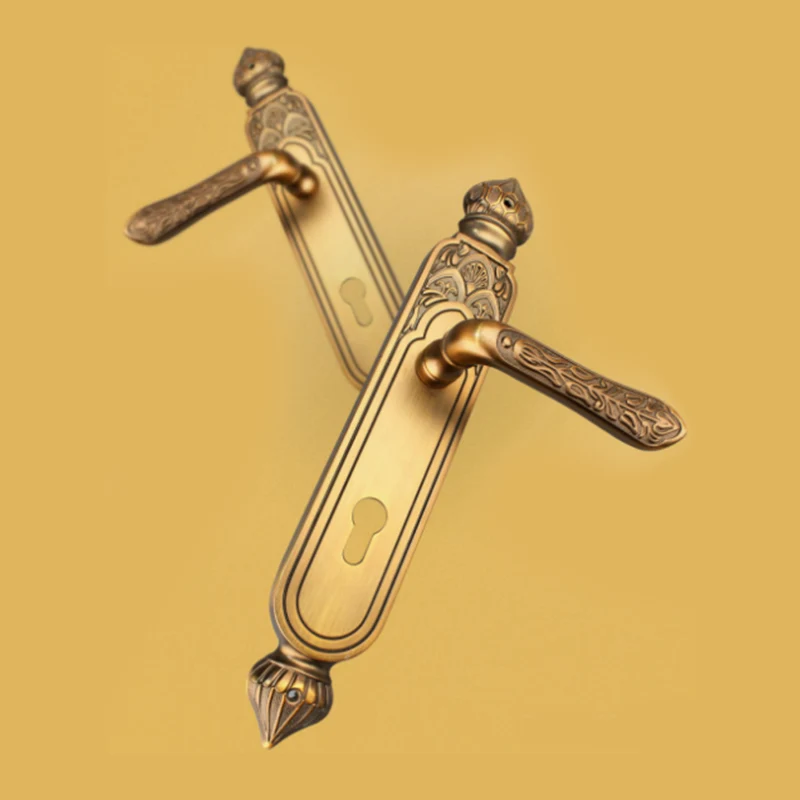
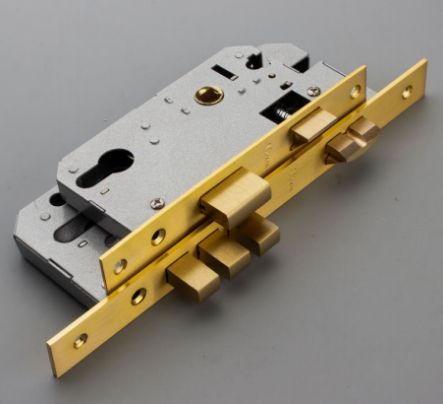
| Mortise Lock | Commercial doors, upscale residential | Robust structure, long service life, premium feel | Installation is more complex; door prep must match |
| Smart Lock | Rentals, modern homes, access control | Codes/app access, audit trails, no key copies | Battery management, connectivity quirks, backup planning |
| Rim Lock | Some retrofit or specialty doors | Useful for certain door structures and retrofits | Not always ideal for modern security expectations |
The “best” choice depends on your door and how you live. A deadbolt plus a good handle set is a classic entry solution. For high-traffic doors, sturdier internal construction (often seen in mortise-style systems) can reduce wear and service calls.
I’m not anti-smart-lock. I’m anti “smart lock that creates new problems.” Here’s how I decide.
My practical smart-lock checklist (because this is where people get burned):
If you’re buying for a rental or a team environment, smart access can cut down on key management chaos. If you’re buying for your own home and you value calm, a high-quality mechanical Door Lock can be deeply satisfying: turn the key, hear the click, done.
A lock can’t perform well on a door that’s fighting it. These are the details I’d never skip:
One common pain point I see: people install the lock “fine,” but the door is slightly sagging, and then the latch drags. That turns into forced turning, which turns into early wear. Fix the door alignment and the lock suddenly feels premium.
Most lock problems start small. The goal is to prevent friction, corrosion, and misalignment from building up.
If your Door Lock starts sticking, don’t “muscle through it” for months. That’s how you end up with a snapped key or a lockout at the worst time.
Yes. Here’s a quick audit I use to spot weak links fast.
| Check | What Good Looks Like | If It’s Not Good |
|---|---|---|
| Door closes easily | No lifting, pushing, or slamming | Adjust hinges, strike plate position, or door alignment |
| Latch or bolt engagement | Clean “click” and secure seating | Reposition strike plate, inspect latch/bolt wear |
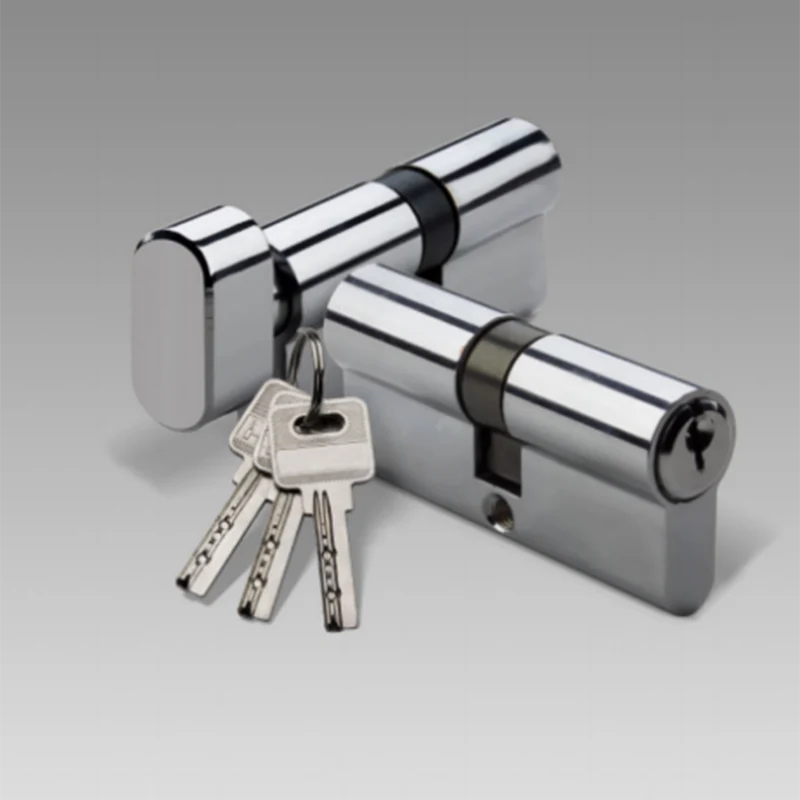
| Key turns smoothly | Consistent resistance, no grinding | Clean keyway, verify correct key, consider cylinder upgrade |
| Hardware tightness | No wobble on handle or lock face | Retighten screws, check mounting fit |
| Frame strength | Reinforced strike area | Upgrade strike plate and screws into the stud |
If you pass these checks, your lock system is likely doing its job. If you fail two or more, upgrading the Door Lock alone may not fix the real issue—treat the door and frame as part of the solution.
If you’re a contractor, distributor, property manager, or project buyer, your pain points usually shift from “Which lock do I like?” to “How do I reduce returns, complaints, and maintenance?”
Companies such as Wenzhou Yilian Decoration Material Co., Ltd. often work with buyers who need stable supply, consistent finishes, and practical configurations for different door scenarios. The best supplier relationships reduce your “after-sale headaches” because the product is designed to behave well in real life, not just in photos.
Q How often should I replace a Door Lock?
A If it turns smoothly, locks reliably, and shows no looseness or corrosion, you may not need replacement for years. Replace when you notice persistent sticking, wobble, key problems, or after a security concern like lost keys.
Q What is the biggest mistake people make with a Door Lock?
A Ignoring the strike plate and frame strength. A strong lock on a weak frame is like a seatbelt bolted to cardboard.
Q Can I improve security without changing the lock?
A Often yes. Reinforcing the strike plate, fixing alignment, and using proper screws can significantly improve performance.
Q Are smart locks safe for main entry doors?
A They can be, if you choose a model with solid mechanical construction, strong access controls, and a reliable backup method. Avoid setups that depend entirely on internet connectivity.
Q Why does my lock stick more in certain seasons?
A Doors can expand or contract with humidity and temperature changes, which shifts alignment. Small shifts can cause latch friction and make turning feel harder.
Q Does a heavier lock mean it is better?
A Not always, but weight can indicate more robust internal structure. Still, design and build quality matter more than weight alone.
Q What should I do if my key turns but the door will not open?
A This can happen when the latch mechanism isn’t retracting fully or the door is pressing against the latch. Check alignment and handle operation; if it persists, inspect the latch mechanism.
Q How many times should I mention Door Lock in a product description?
A Enough to be clear and natural. Focus on helping the reader choose and solve problems—clarity beats repetition every time.
The right Door Lock is the one that makes your life easier while quietly doing serious work in the background: protecting your space, managing access, and staying reliable through daily use and seasonal changes. If you take only one thing from this guide, let it be this: choose a lock as part of a system—lock, door, frame, and installation all matter. Get those aligned, and your door stops being a stress point and becomes something you simply trust.
If you’re selecting locks for a project, upgrading existing hardware, or need stable supply and finish options for different environments, contact us to discuss your door requirements, preferred styles, and usage scenarios. We’ll help you match the right solution to the reality of how people actually use doors—so you get fewer problems, smoother operation, and confidence every time you close it.