Abstract
If you’ve ever dealt with a door that swells in rainy seasons, peels at the edges, or looks “tired” after a year of daily use, you already know the real problem isn’t the handle—it’s the material system behind the surface. This article breaks down what a WPC Skin Door is, the pain points it solves (humidity, warping, termites, scratches, maintenance), and the exact questions you should ask before buying for a home, hotel, office, or apartment project. You’ll also get a clear comparison table, a spec checklist, and a straightforward FAQ so you can decide with confidence.
Table of Contents

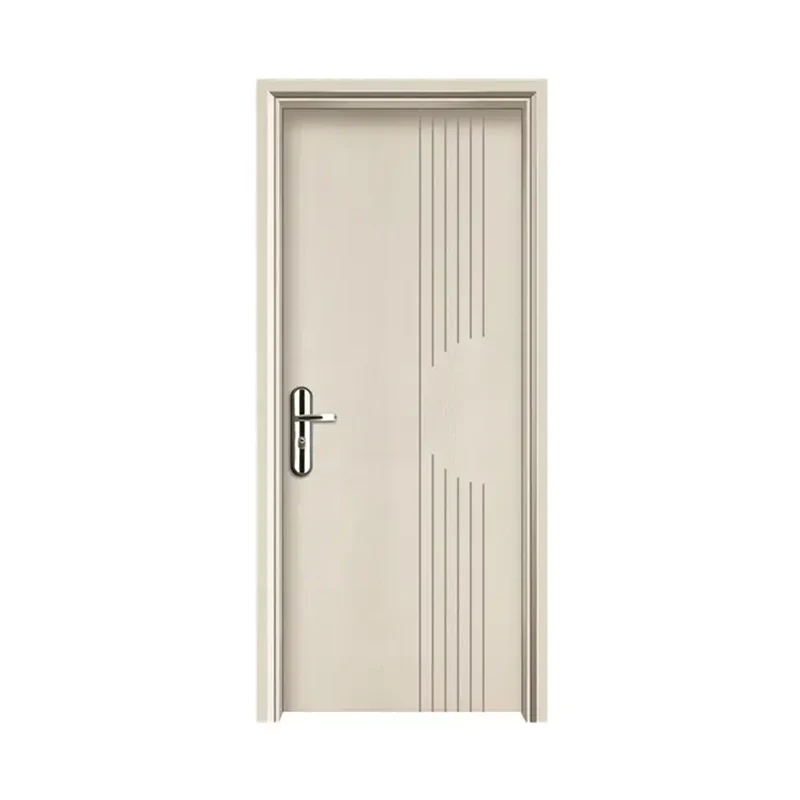
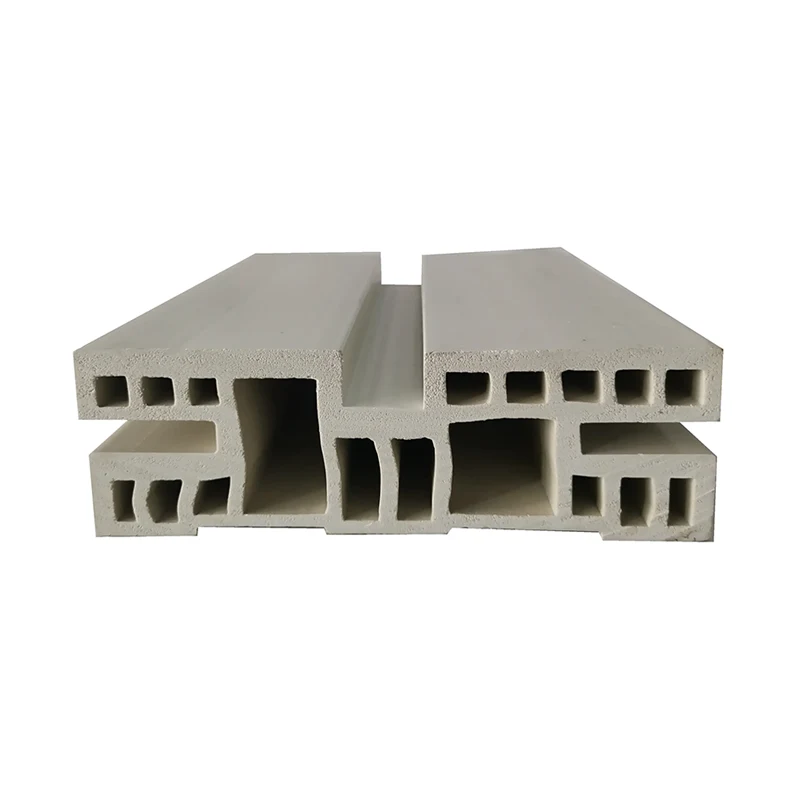
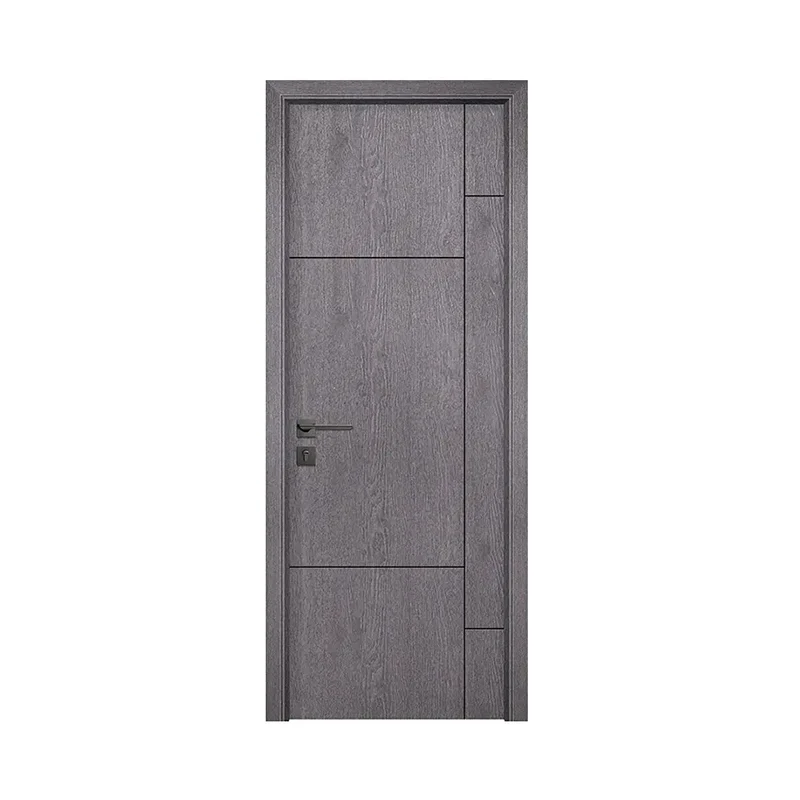
A WPC Skin Door is typically built around a stable door structure (often a composite or engineered core) and finished with a durable “skin” layer made from wood-plastic composite materials. Think of it as a door system designed to keep the surface looking clean and consistent while improving resistance to moisture-related issues that can plague traditional wood doors.
In practical terms, buyers choose this type of door when they want:
Quick reality check: No door material is “magic.” What matters is the full system—core + skin + edge sealing + hardware prep + installation. A good WPC skin system is designed to reduce risk where doors usually fail first: swelling, peeling, and surface wear.
Most door complaints fall into a small set of repeat problems. If any of these sound familiar, you’re exactly the audience for a WPC Skin Door.
The pain points customers actually complain about
A well-made WPC skin system helps by combining a moisture-tolerant surface with a structure designed to stay stable. The surface is often easier to wipe clean and less prone to the “softening” that can happen when traditional finishes are repeatedly exposed to moisture or harsh cleaners.
The biggest win for many buyers is not one single feature—it’s predictability. When you’re managing a project timeline, the cost of rework is usually higher than the cost of the door itself.
If your door will live a hard life—steam from showers, constant air-conditioning cycles, lots of hands, lots of cleaning—you should evaluate performance like a project manager, not like a showroom shopper.
1) Moisture exposure
Humidity doesn’t just “make things wet.” It drives expansion and contraction. When materials move unevenly, you get sticking doors, rubbing edges, and small gaps that gradually become big annoyances. A WPC Skin Door is often selected to reduce that movement at the surface, especially when paired with proper edge sealing.
2) Edge durability (where doors fail first)
Even the best surface can fail if edges are poorly sealed. If you’re buying for bathrooms, hotels, or apartments, pay close attention to:
3) Daily wear and cleaning
Many door finishes look fine until you clean them repeatedly. A durable skin layer should handle routine wiping without quickly dulling, staining, or developing patchy gloss.
| Use Case | Typical Stress | What to Confirm Before Ordering |
|---|---|---|
| Bathroom / washroom | Steam, splash, frequent cleaning | Edge sealing approach, moisture resistance expectations, bottom edge protection |
| Hotel corridor | Carts, suitcases, constant handling | Surface scratch resistance, easy cleaning, consistent finish across batches |
| Apartment projects | Volume delivery, mixed installers | Standardized sizes, hinge/lock prep accuracy, packaging and damage prevention |
| Office interiors | Fingerprints, scuffs, branding aesthetics | Color/texture options, stain resistance, repair approach if damaged |
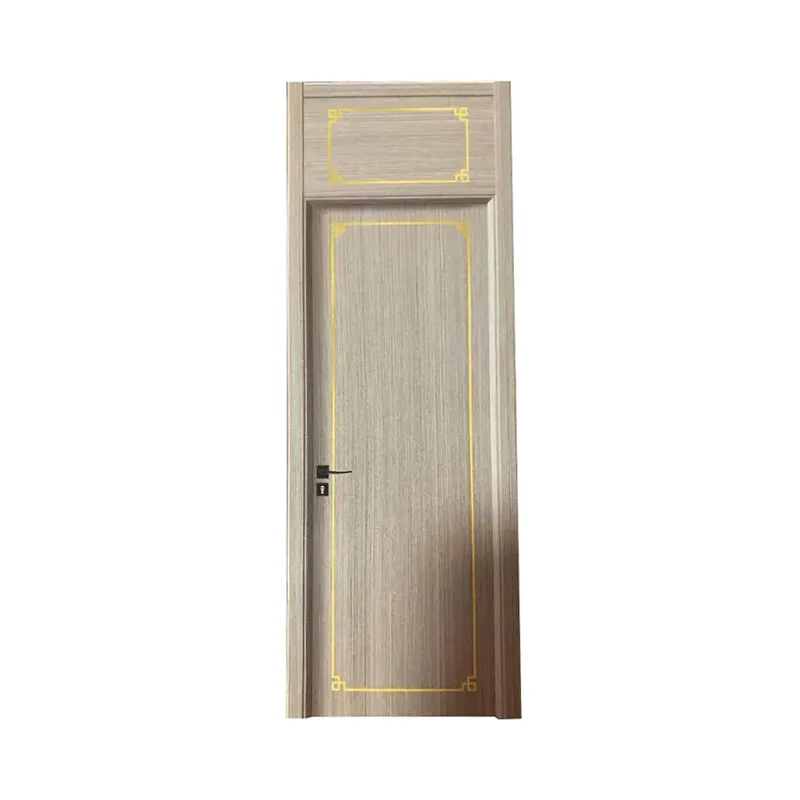
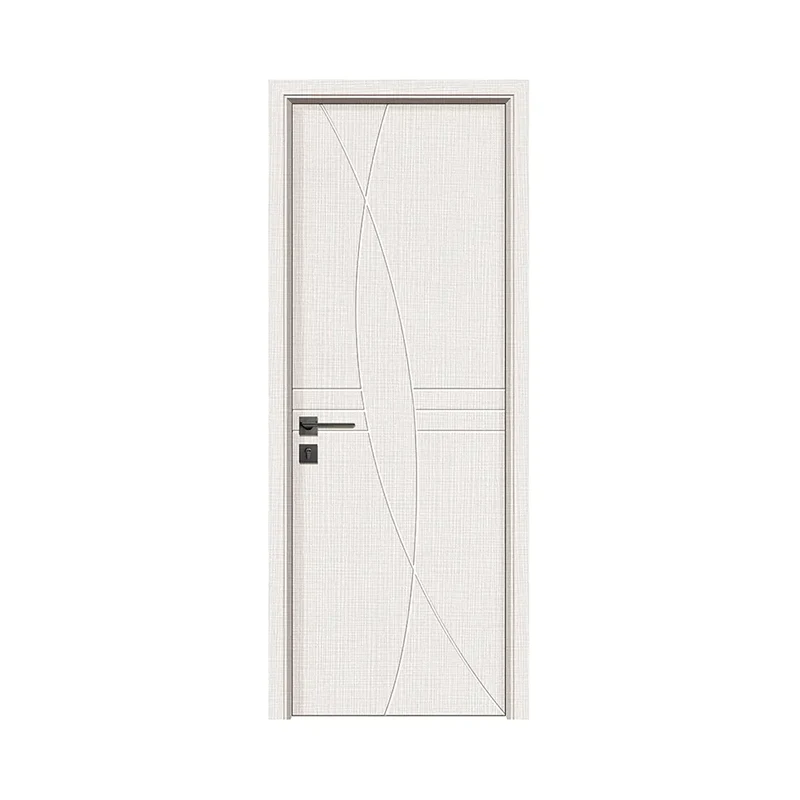
Let’s be honest: performance gets the budget approved, but aesthetics get the “yes.” The good news is that a WPC Skin Door can support a wide range of modern looks—wood tones, matte solids, subtle textures—while keeping batch-to-batch appearance more controlled than many traditional finishing approaches.
What buyers typically care about in real projects:
Material comparison at a glance
| Door Type | Moisture Risk | Common Long-Term Issue | Maintenance Effort | Best Fit |
|---|---|---|---|---|
| Traditional solid wood | Medium to high (depends on environment) | Warping/swelling if humidity varies | Medium | Dry interiors, premium custom work |
| Painted engineered door | Medium | Chips/scuffs; touch-ups may not match | Medium to high | Residential interiors with careful use |
| PVC/film-wrapped door | Medium | Edge lifting over time if sealing is weak | Low to medium | Budget projects, light to moderate traffic |
| WPC Skin Door | Lower (system-dependent) | Depends on edge quality and installation | Low | Humid areas, hotels, apartments, high-traffic interiors |
Even a great door can look terrible if installed poorly. If you want fewer callbacks and fewer “the door doesn’t close” complaints, focus on these installation and ownership realities:
Prepped hardware and accuracy
Site conditions matter
Cleaning routine
A simple rule: use gentle cleaners and soft cloths. Avoid aggressive abrasives that can dull any finish over time. If your building has strict janitorial procedures, confirm the door surface is suitable for frequent wiping.
The purchase price is only part of the cost. The expensive part is usually: replacement, repainting, tenant complaints, rework labor, and schedule disruption. A WPC Skin Door can be a strong value play when it reduces avoidable issues in moisture-prone or high-traffic areas.
If you’re deciding between options, consider lifecycle questions:

Here’s the part that saves money: order with clarity. Use this checklist to avoid the classic “everything looked fine in the sample room” trap.
Fast checklist before you place an order
| What to Ask | Why It Matters | What a Good Answer Looks Like |
|---|---|---|
| How are edges sealed and protected? | Edges are the first failure point in humidity and cleaning cycles. | Clear edge process description, consistent finish, and protection for bottom edge where needed. |
| How do you control batch consistency? | Multi-unit projects need matching doors across rooms and phases. | Defined sample standard, documented color/texture control, stable production process. |
| Can you provide hardware preparation to our spec? | Reduces site labor and avoids misaligned hinges/locks. | Ability to follow drawings, confirm measurements, and label doors clearly. |
| What is your recommended use scenario? | Prevents misuse (e.g., wrong choice for extreme conditions). | Practical guidance: where it performs best and what installation steps are essential. |
Tip: When you approve samples, approve them under realistic lighting. A door that looks perfect under warm showroom lights can look completely different under cool corridor LEDs.
The material category matters—but the manufacturer matters just as much. Strong production control, clear documentation, and consistent finishing are what separate a smooth project from a painful one.
If you’re sourcing at scale, it helps to work with a supplier that understands both product and project execution. For example, Wenzhou Yilian Decoration Material Co., Ltd. focuses on interior material solutions and can support discussions around finish options, project requirements, and specification alignment—exactly the kind of practical coordination that reduces surprises later.
Q: Is a WPC Skin Door suitable for bathrooms?
It’s commonly chosen for moisture-prone zones, but suitability depends on the full system (structure, edges, and installation). Confirm edge sealing and bottom-edge protection if the door will face frequent splash or aggressive cleaning.
Q: Will it look “plastic” compared with wood?
Quality varies. Ask for real samples of the exact color/texture, review under your project lighting, and confirm batch consistency for volume orders. Modern textures can be surprisingly convincing when specified carefully.
Q: What’s the most common reason these doors fail in real life?
Poor edge finishing or careless site handling. Corners and bottom edges take abuse. If edges are protected and installation is correct, performance is typically far more stable than many traditional finishes in humid environments.
Q: Are they hard to maintain?
Usually not. Routine wiping with gentle cleaners is typically enough. Avoid abrasive pads and harsh chemicals that can dull any surface over time.
Q: What should I lock down before mass ordering?
Approve a sample standard, document sizes and swing directions, confirm hardware preparation, and agree on packaging/labeling for your installation workflow. These steps reduce delays more than almost anything else.
A WPC Skin Door is often a smart choice when you need a door that stays stable, cleans easily, and holds its appearance in real-world conditions—especially in humid areas or high-traffic projects. The key is to buy it like a system: confirm edges, confirm hardware prep, confirm finish consistency, and treat installation as part of performance.
If you’re planning a renovation or managing a multi-door project and you want fewer surprises, fewer callbacks, and a cleaner finish standard, reach out with your door sizes, finish preference, and application scenario—then contact us to discuss the right configuration for your project.