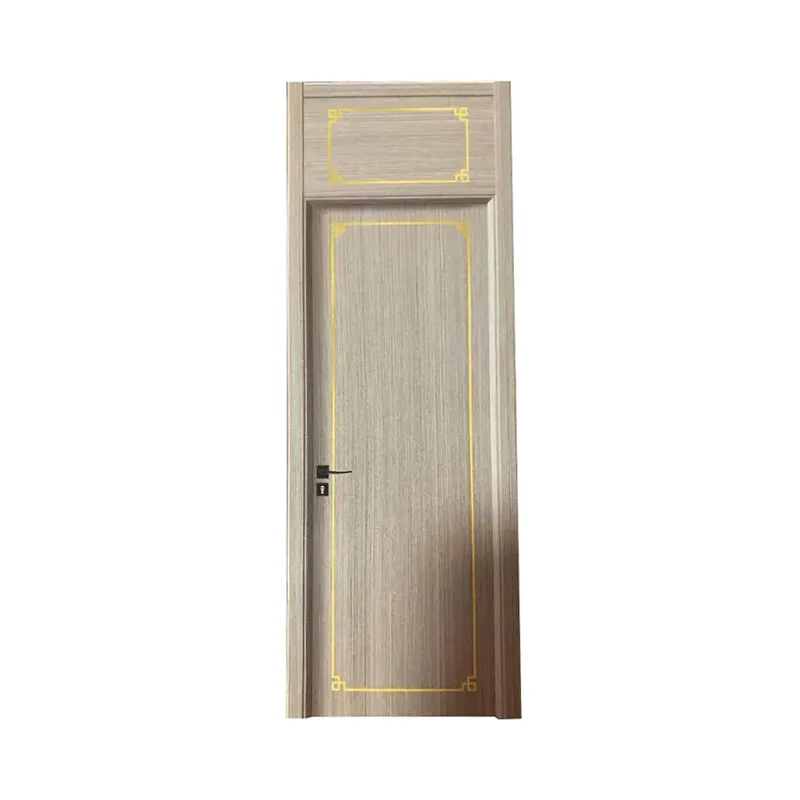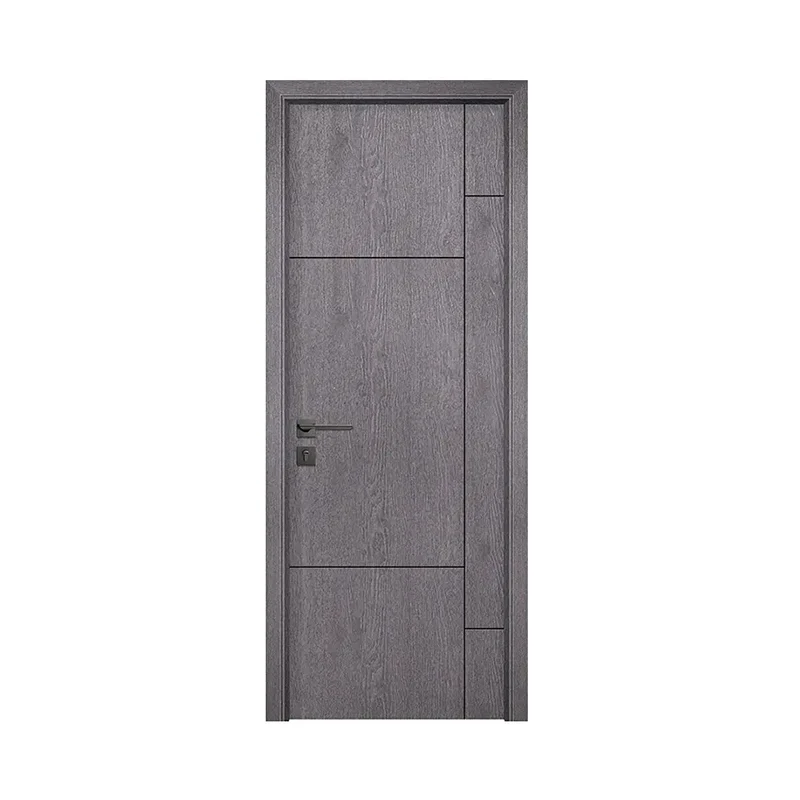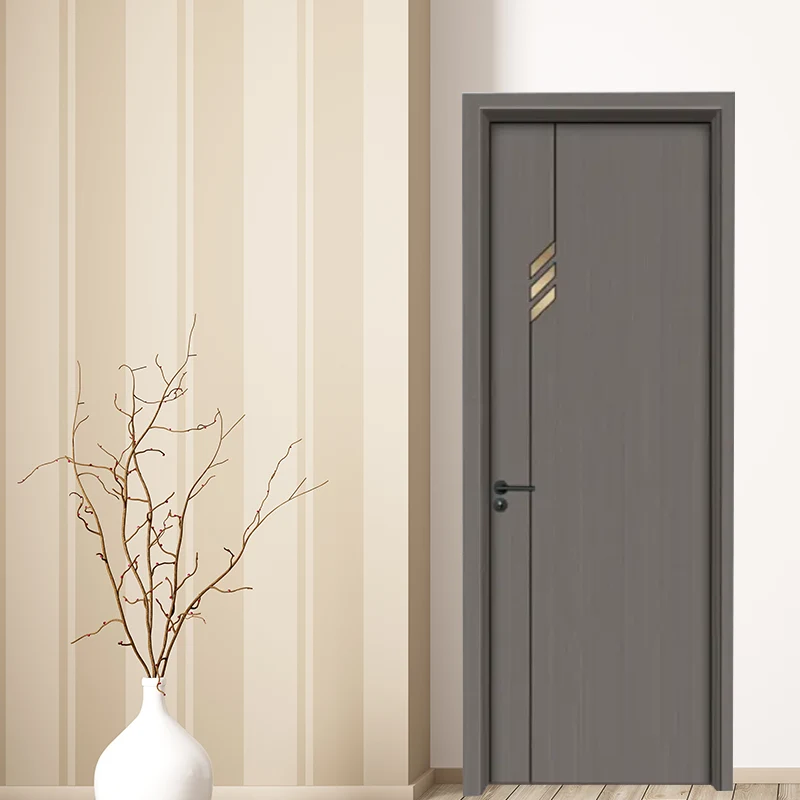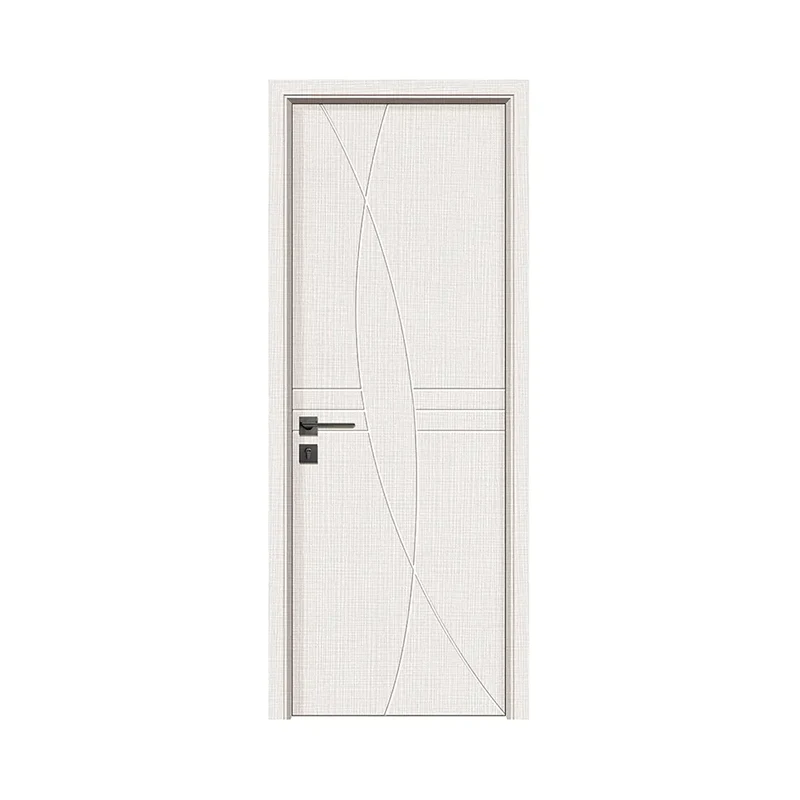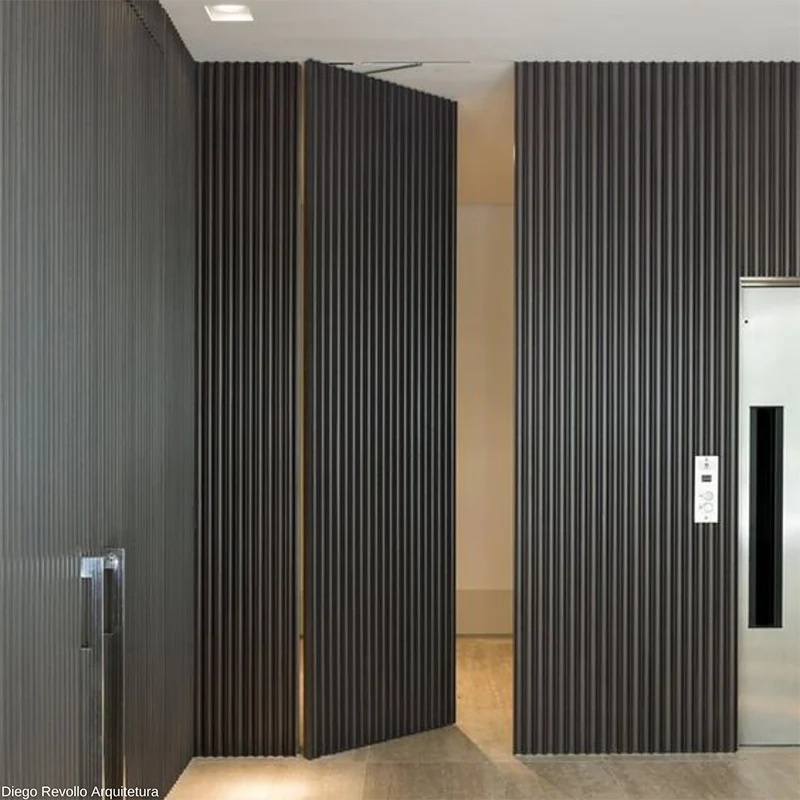
Doorways take more abuse than most people realize: bumps from furniture, scuffs from daily traffic, small building movements that crack paint lines, and humidity changes that warp poor-quality trims. When a doorway looks “unfinished,” the issue is usually not the door—it’s the junction between the wall and the frame. That’s exactly where Door Architrave earns its keep.
This guide breaks down what Door Architrave does, which materials and profiles make sense in different spaces, how to measure and plan for a crisp fit, and what installation details prevent gaps, splits, and paint failure. You’ll also find a comparison table, decision checklists, and a practical FAQ to help you choose and specify architrave with confidence—whether you’re doing a renovation, fitting out a new build, or sourcing in volume.
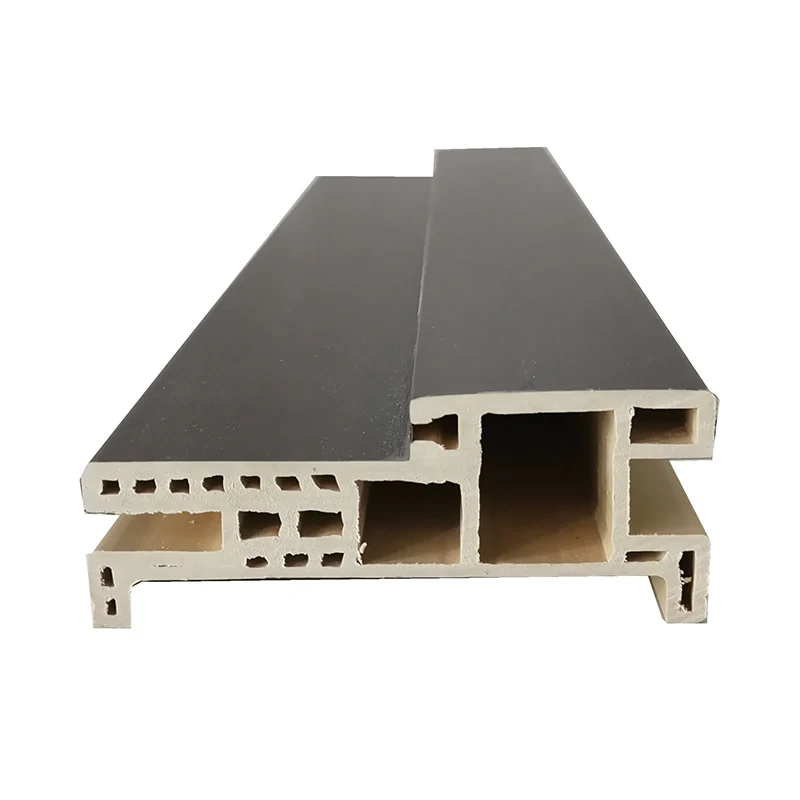
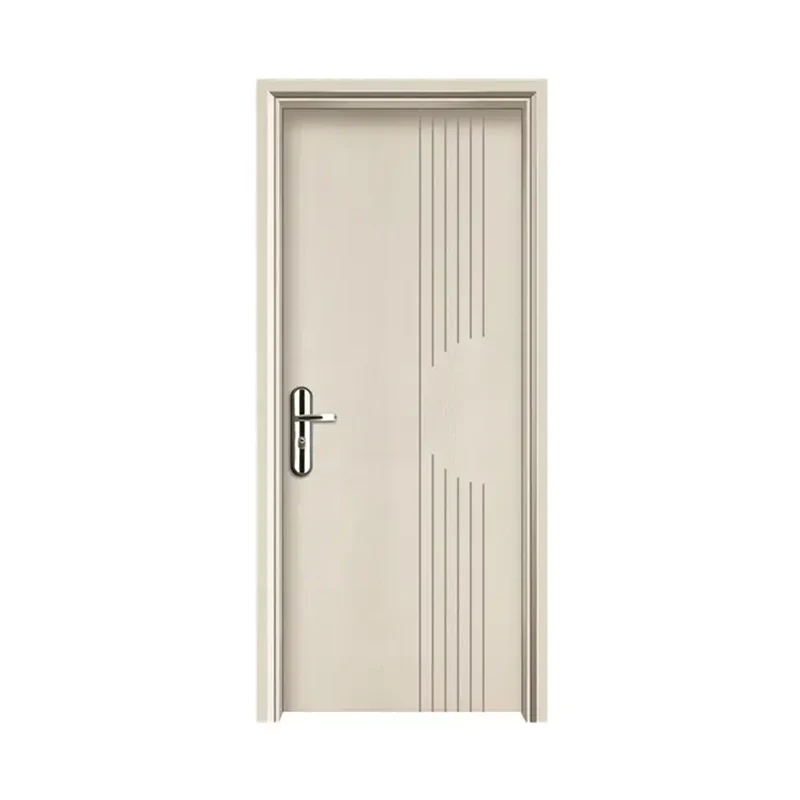
Door Architrave is the decorative and protective trim fitted around a door frame, covering the gap between the wall finish (plasterboard, masonry, paint) and the door lining/frame. In many homes, this is the detail that makes a doorway look “complete.” In commercial work, it can also protect edges from damage and reduce maintenance frequency.
It’s easy to underestimate how much this small component affects the whole room. Architrave frames the door visually, hides imperfections from the installation process, and provides a clean transition line for paint or other finishes.
If you’ve ever stared at a doorway and thought, “Why does this look messy even after painting?” you’re not alone. These are the problems architrave is designed to solve—without resorting to endless filler and touch-ups.
In short: architrave is not only decoration—it’s a practical finishing system that reduces rework.
Material choice is where most long-term issues either disappear or get locked in. The “best” material depends on humidity, traffic, finish expectations, and budget. Use the table below as a starting point, then match it to your project reality.
| Material | Best For | Strengths | Watch-outs | Common Finishes |
|---|---|---|---|---|
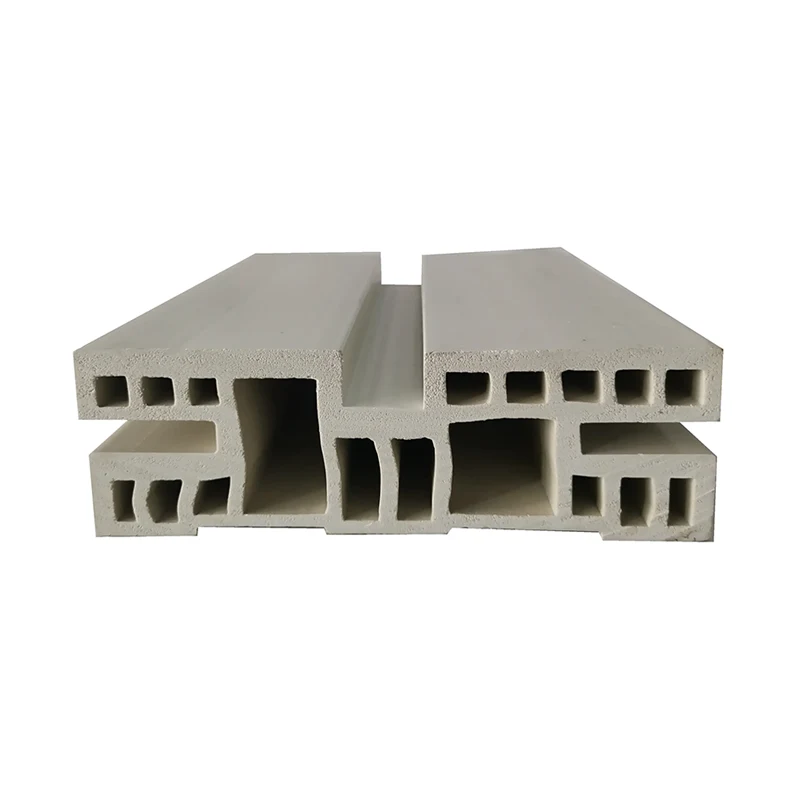
| MDF (standard) | Dry interiors, cost-sensitive projects | Smooth paint finish, stable profile, easy to cut | Swells if repeatedly exposed to moisture; edges must be sealed | Primed + painted |
| Moisture-resistant MDF | Bathrooms (with good ventilation), kitchens | Better humidity tolerance, paints well | Still needs sealing on cut ends; avoid persistent wet zones | Primed + painted |
| Solid wood | Premium interiors, stain/clear finish, restoration | Natural grain, strong edges, repairable | Can move with humidity; requires careful acclimation and finishing | Stained, clear coat, painted |
| PVC / polymer | High humidity, rental units, heavy cleaning environments | Water-resistant, tough surface, low maintenance | Profile feel can vary; check paint compatibility if painting | Color-through, painted (system dependent) |
| Engineered wood / composite | Consistency-focused projects, stable performance | Dimensional stability, reliable batches, good finish options | Quality varies by supplier; request samples and spec sheets | Primed, wrapped, painted |
Buyer tip: Most failures start at cut ends and joints. No matter what material you pick, plan for proper sealing, adhesives, and controlled movement at corners.
Once material is chosen, profile and width decide whether the doorway feels modern, traditional, bold, or quietly refined. The most common mistake is picking a profile that fights the interior style—or choosing a width that looks either flimsy or overpowering.
Proportion checklist:
A clean finish is mostly planning. Before you cut anything, measure deliberately—especially if you’re working with multiple doors where small errors multiply into big waste.
Reality check: The highest-end paint job can still look cheap if the mitres open up or the reveals vary from door to door.
Architrave installation is not hard, but it’s detail-sensitive. The big question is not “Can it be done?”—it’s “Will it stay looking good after seasons change and the building settles?”
Tools and materials most projects need:
Corner strategy matters more than people think:
| Corner Option | Look | Durability | Best Use | Common Risk |
|---|---|---|---|---|
| Mitre joint | Clean, seamless | High when well-bonded | Modern and classic interiors | Opens if poorly cut or insufficiently glued |
| Butt joint (with detail block or return) | Intentional, slightly more “crafted” | Very good | Fast installs, high-traffic properties | Looks bulky if proportions are wrong |
| Coped joint (profiled fit) | Traditional, neat on profiles | Excellent over time | Decorative profiles where movement is expected | Requires skill; time-intensive |
Finisher’s secret: Seal cut ends and bond corners well. Most “gaps” that appear later are either movement + weak joints or moisture entering unsealed edges.
Doorways sit right where humidity and impact show up first. Bathrooms and kitchens bring moisture; hallways bring bumps and frequent cleaning. A durable Door Architrave specification balances three factors:
If you’re dealing with frequent wet mopping, repeated condensation, or harsh cleaning agents, consider materials that won’t swell or delaminate—and verify finish compatibility before committing to large volumes.
A great finish is not just paint—it’s preparation. Follow a consistent approach and the architrave will look “built-in,” not “stuck-on.”
For stained or clear-coated wood, prioritize acclimation (let it sit in the room before installation), and finish all faces where possible to reduce uneven moisture uptake.
For multi-door projects, consistency is the pain point that quietly drives delays: profile mismatch between batches, color variation, inconsistent priming, or lengths that don’t match the cutting plan. This is where a reliable production partner and a clear specification pay off.
When working with a manufacturer such as Wenzhou Yilian Decoration Material Co., Ltd., buyers often focus on a few practical checkpoints that reduce risk:
Recommendation: For large orders, request a small pre-production sample set that includes corners and cut-end checks. This is where real-world installation issues show up early.
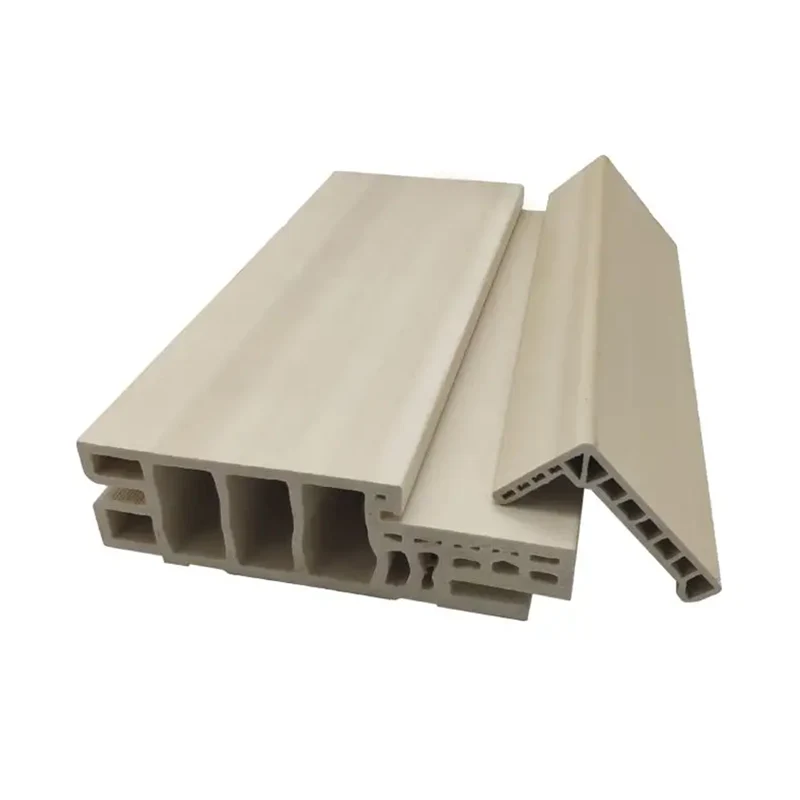
Cost is not just “price per meter.” Door Architrave affects labor time, repaint cycles, and defect rates. A slightly higher material cost can be cheaper overall if it reduces rework and call-backs.
If you’re comparing quotes, ask what is included: priming quality, packaging, tolerances, and whether the profile is consistent across batches.
Q: Can Door Architrave fix a badly installed door frame?
A: It can hide small visual issues (gaps, uneven plaster lines), but it won’t correct a door that’s out of plumb or rubbing. If the frame is seriously misaligned, fix the structural problem first, then use architrave to finish cleanly.
Q: Which material is best for bathrooms?
A: For damp environments, moisture-resistant MDF or PVC/polymer options are commonly chosen. The critical step is sealing cut ends and using a compatible finishing system so moisture can’t enter at joints.
Q: Why do mitre corners open over time?
A: Usually due to weak bonding, inaccurate cuts, or seasonal movement. Strong adhesive, precise angles, and proper sealing at the joint dramatically reduce this problem.
Q: Should architrave match skirting/baseboards?
A: Matching is the easiest route to a cohesive look. If you prefer contrast, keep it intentional: similar “style language” (modern vs classic) and balanced proportions prevent the trim from looking random.
Q: How wide should Door Architrave be?
A: There’s no single number, but the rule is proportion: higher ceilings and taller doors can carry wider trims. Also consider wall flatness—if walls are uneven, a slightly wider face can hide more variation without relying on filler.
Q: Is pre-primed architrave worth it?
A: Often yes, because it saves time and improves consistency—especially for multi-door projects. Still, confirm the primer quality and compatibility with your topcoat, and always seal cut ends.
Door Architrave is one of those “small details” that quietly controls the quality of the whole room. When chosen well and installed with care, it hides imperfect junctions, protects vulnerable edges, reduces future cracking, and makes a doorway look intentionally finished—without endless patching.
If you’re specifying architrave for a renovation, a housing project, or a commercial fit-out, treat it like a system: pick a suitable material for the space, confirm profile and tolerance consistency, plan joints realistically, and finish with proper sealing. When you want stable batches, clear specifications, and customization support, Wenzhou Yilian Decoration Material Co., Ltd. can be part of a dependable supply plan—so your doorways look crisp on day one and stay that way.
Ready to upgrade your trims with fewer installation headaches? Share your project requirements and finish preferences, and contact us to discuss suitable Door Architrave options, profiles, and material choices for your next build or renovation.