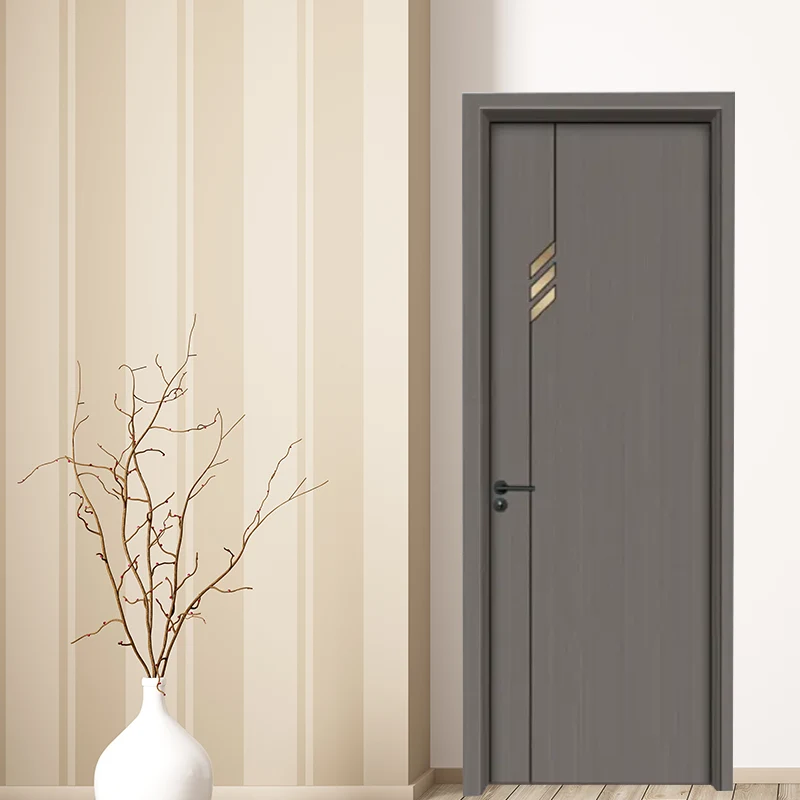
If your “closed” door still lets in hallway chatter, bathroom odors, kitchen light, or that tiny draft you can’t explain, your real problem is usually the gap—especially around the latch side. A T-Door is designed to tackle this by reshaping how the door leaf meets the frame. Instead of a simple flat edge, it uses a raised T-profile that nests into the frame for a tighter closure, typically paired with dedicated sealing strips. This article breaks down how T-Doors work, where they make the biggest difference, what specs to ask for, and how to avoid the common purchasing mistakes that lead to rattles, rubbing, and regret.
Most door complaints sound like material problems, but they’re usually geometry problems. The door can be solid, heavy, and “premium”… and still perform poorly if it doesn’t close tightly against the frame. Here are the issues customers mention most often:
In plain terms: gaps are pathways. If air can pass, sound and smell can tag along. A T-Door is built to reduce those pathways at the edge—where most standard interior doors lose the battle.
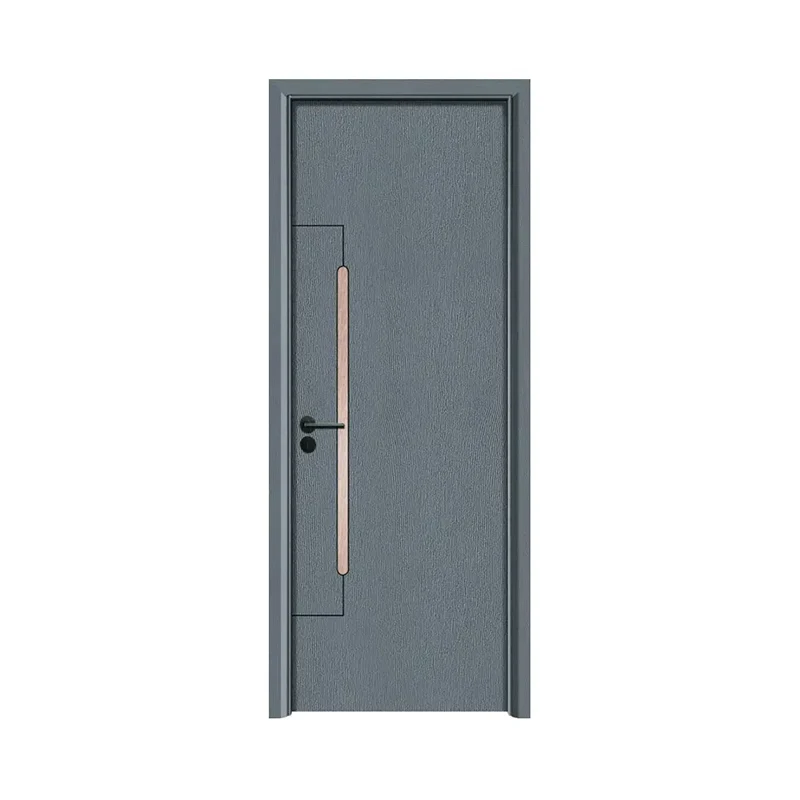
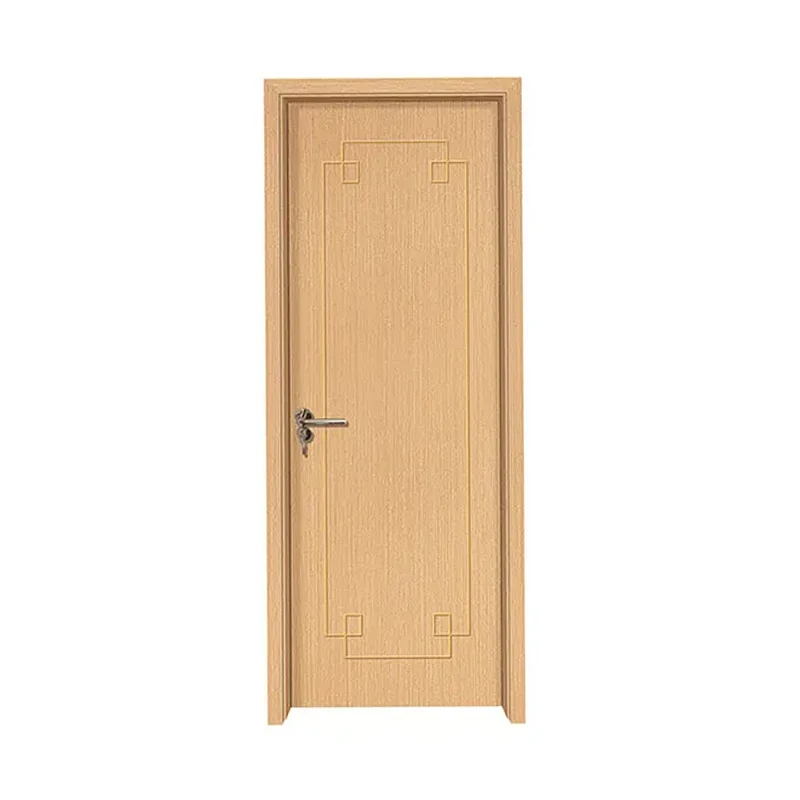
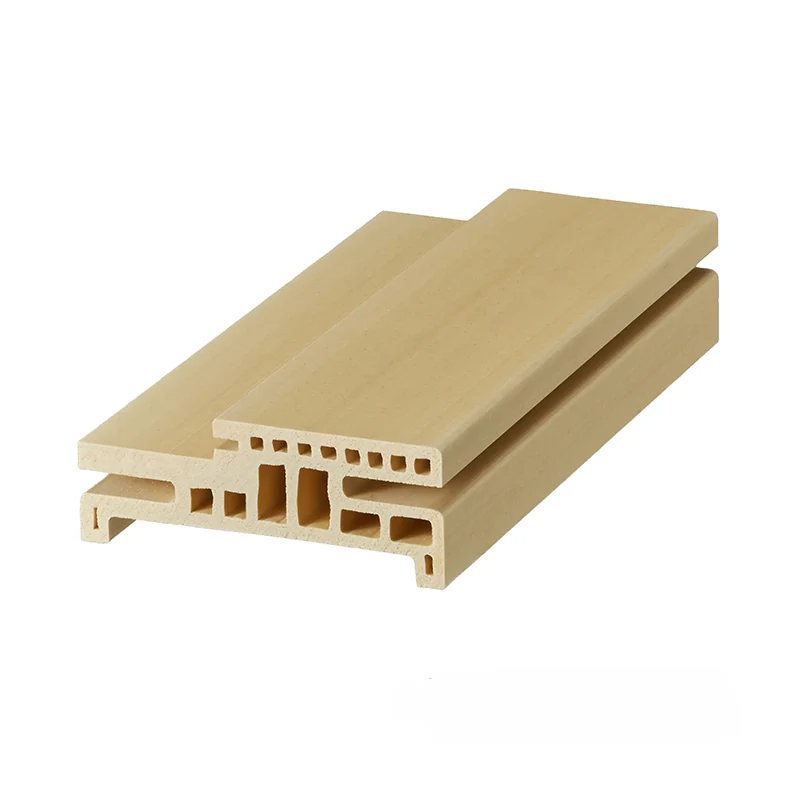
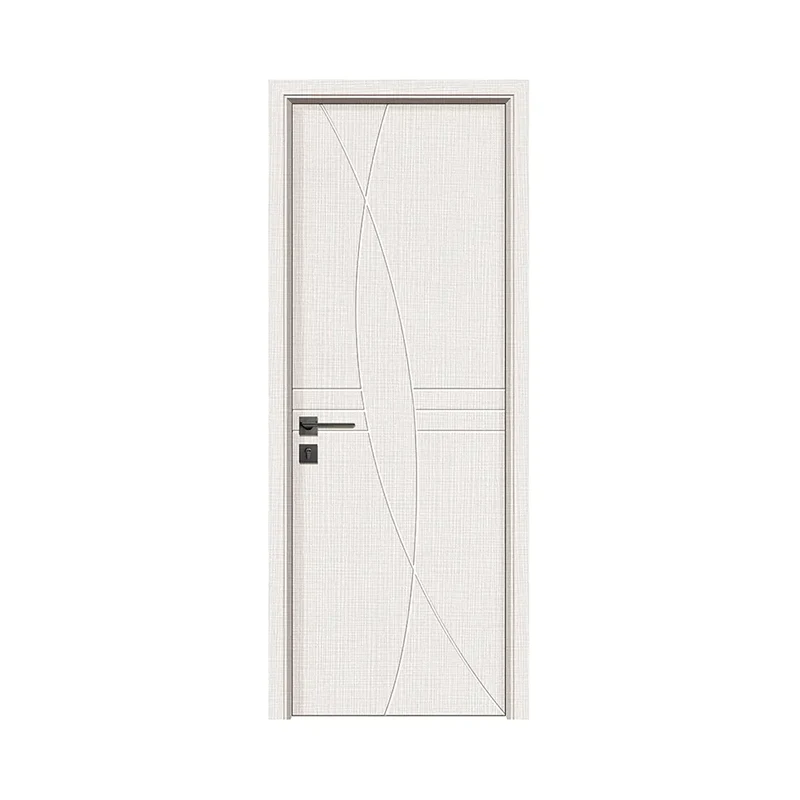
A T-Door gets its name from the cross-section shape along the door edge. Instead of a straightforward “flat” edge meeting the frame, the door leaf has a raised T-profile that interlocks with the frame. Think of it like a better lid on a container: the closure becomes more “nested,” which helps reduce the free gap around the perimeter.
What that design typically improves:
One important note: a T-Door is not “magic soundproofing.” It’s a system. The profile helps, but the final result depends on correct frame alignment, suitable hinges, and properly fitted seals. When done right, the improvement can feel dramatic—especially compared with common flat-edge interior doors that leave uneven gaps along the latch side.
If you’re choosing doors for aesthetics only, a standard interior door might be “good enough.” But when you’re trying to control a room’s comfort—privacy, odors, or quiet—T-Doors shine. Here are practical, high-impact scenarios:
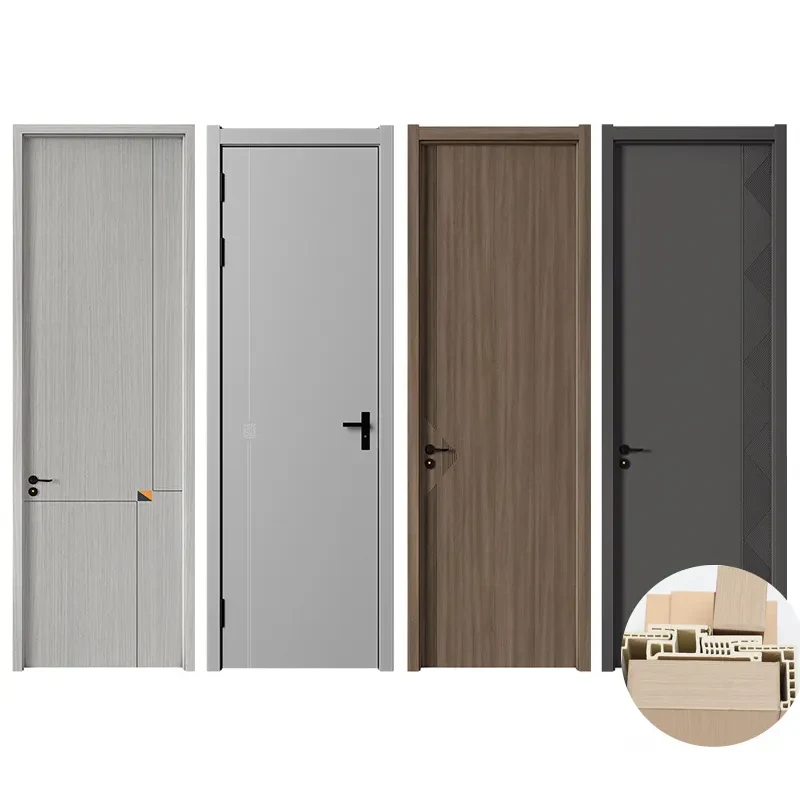
If your main issue is moisture (bathroom, laundry), pairing the T-profile closure with a water-resistant door material and stable frame matters just as much as the edge design. Many projects choose engineered structures such as WPC (wood-plastic composite) or similar low-maintenance constructions for these zones because they’re less sensitive to swelling and humidity changes than some traditional wood builds.
Use this as a simple decision helper. It’s not about “best door overall”—it’s about best fit for the pain point you’re solving.
| Door Type | Gap Control | Noise / Odor / Light Leakage | Best For | Common Risk |
|---|---|---|---|---|
| T-Door (T-profile + seals) | Strong, consistent closure when fitted correctly | Typically improved because airflow pathways shrink | Bedrooms, bathrooms, offices, privacy zones | Poor frame alignment can cause rubbing |
| Standard flat-edge interior door | Moderate; gaps vary more | Often noticeable leakage if seals are minimal | General interior separation, low privacy demands | Rattles and “not really closed” feel |
| High-mass acoustic door (specialty) | Very strong (usually multi-seal systems) | High performance when fully specified | Studios, clinics, conference suites | Cost + heavier hardware requirements |
A door quote can look “complete” while hiding the reasons it will underperform. The goal is to lock down the details that affect real-world comfort. Here’s a buyer-friendly checklist you can paste into your inquiry:
Supplier credibility tip:
If you’re sourcing internationally, you’ll want a partner who understands consistent mass production and project documentation. Wenzhou Yilian Decoration Material Co., Ltd. positions its T-Door offering around tight-fit closure, dedicated sealing, and project-focused supply—use that same lens when comparing vendors: system fit, repeatability, and service responsiveness.
The “cheapest” door often becomes the most expensive after callbacks: installers returning to shave edges, tenants complaining about noise, or homeowners adding aftermarket sweeps and seals that still don’t fix the latch-side gap. A properly specified T-Door is usually a cleaner solution than patching a leaky door later.
Even the best door design can fail if the opening is out of square or the frame is twisted. Use this checklist to reduce risk before the first unit is installed.
| Step | What to Check | Why It Matters for a T-Door |
|---|---|---|
| Opening measurement | Measure width/height in 3 points; confirm plumb and square | Interlocking edges need consistent clearance to close smoothly |
| Frame alignment | No twist; equal diagonals; solid anchoring | A twisted frame creates rub points and weakens the seal |
| Hinge setting | Correct hinge positions; verify adjustability | Fine-tuning helps keep the perimeter contact even |
| Seal installation | Continuous seal; no missing corners; clean contact | Seals + T-profile work together; gaps defeat the purpose |
| Close test | Smooth latch; no bounce-back; no visible light lines | A clean “close” indicates good fit and stable long-term performance |
Pro tip for project managers: test one door fully (frame + seals + hardware) before committing the whole building. One correctly installed sample unit can prevent an entire batch from becoming a site-wide adjustment headache.
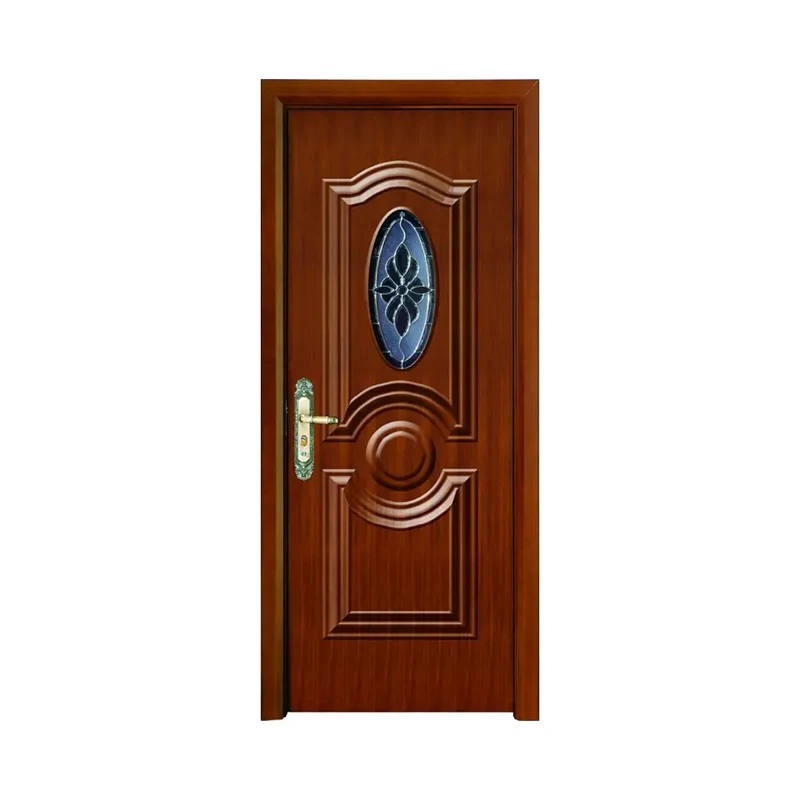
A tight door stays tight when small changes are handled early. Seasonal humidity, heavy daily use, and settling frames can all shift the fit slightly. The good news: maintenance is usually simple.
If a door starts leaking sound again after months, don’t assume the panel “went bad.” In many cases, the seal is compressed unevenly or a hinge has shifted. Fix the contact points, and performance usually returns.
Q1: Will a T-Door completely eliminate noise?
No door can erase all sound by itself, but a T-Door can noticeably reduce everyday noise transfer because it minimizes the air gaps that sound loves to travel through. For demanding acoustic environments, you may also need higher-mass door construction and upgraded seals.
Q2: Is a T-Door only for bedrooms?
Bedrooms are a common choice, but kitchens, bathrooms, and home offices also benefit—especially where you want better odor control and reduced light leakage at night.
Q3: Does the T-profile make installation harder?
It can be less forgiving if the frame is out of square, because the closure is designed to be tighter. With correct measurements and alignment, installation is straightforward. The key is treating the door and frame as a matched system, not mix-and-match parts.
Q4: What’s the most common mistake buyers make?
Buying a door leaf without confirming the frame profile and sealing strips. A T-Door works best when the edge shape, frame geometry, and seals are designed to cooperate.
Q5: How do I evaluate a supplier quickly?
Ask for a clear specification sheet, available finishes and sizes, quality control steps, warranty scope, and lead times for bulk orders. Also ask whether replacement seals and compatible hardware are consistently available for future maintenance.
A T-Door is a practical upgrade when your real problem is comfort control: too much noise, too many odors, too much light leakage, or a “closed” door that doesn’t truly feel closed. The biggest wins come from specifying the system correctly—door edge profile, matching frame, sealing strips, and reliable hardware—so performance is built-in instead of patched later.
Ready to specify a T-Door that actually solves your site complaints?
Share your project type (residential, hotel, apartment, office), target rooms, and quantity, and we’ll help you shortlist the right configuration and finish options. If you want fewer callbacks and a noticeably quieter close, contact us for a practical quotation package and a spec checklist you can send straight to your installer.